Be the first to know.
Get our energy  weekly email digest.

energy

featured
0.ntyy043cg9qmouserbanner3

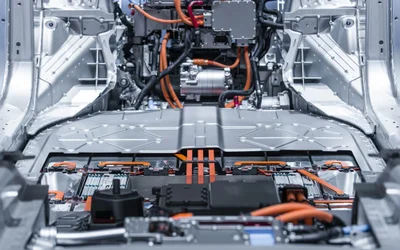
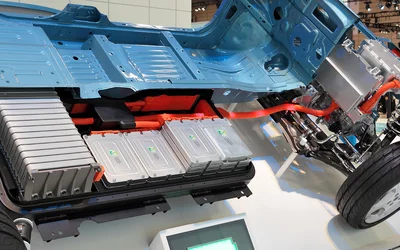
Article 3 of our Energy Storage Solutions series: A state-of-the-art Battery Monitoring System allows you to extract the highest quantity of charge from your battery pack and manage the charge and discharge cycles in a safer way extending battery life.

Engineers Wiki. Most Asked Questions.

ORGANIZATIONS. SHAPING THE INDUSTRY.

0.ghph63ogi9qbanner wevolver cover 2000 wx400 h TechBlick
0.psx5n5leemeTechBlick 300x300 color

TechBlick

Electronics

TechBlick is a year round platform for onsite and online conferences, classes, and technology insights in emerging tech

65 Posts

0.cgi52eapwkCTLogoWhite

Capacitech Energy

Electrical and Electronic Manufacturing

Drop-in power cords that improve battery performance.

18 Posts

0.04mkf8535ggokit

Karlsruhe Institute of Technology

University

KIT is one of the biggest research and education institutions worldwide and...

17 Posts

0.ve76zmv1uhd8Gm7uXB6 400x400

Technical University of Denmark

University

For almost two centuries DTU, Technical University of Denmark, has been ded...

16 Posts

0.hs3s8e9u32w1631307630627

Infineon

Electronics

Infineon Technologies AG is a German semiconductor manufacturer founded in ...

13 Posts

TAGGED WITH batteries

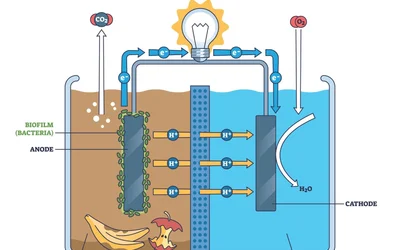
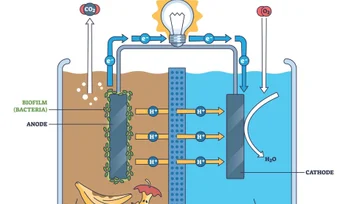
A microbial fuel cell turns the metabolism of living bacteria into an electrical current. This guide covers the electrochemistry, microbiology, materials, real performance numbers from pilot plants, and the economics that still keep the technology out of mainstream power generation.

Microbial Fuel Cell: How It Works, Efficiency, and Applications

A PEM fuel cell converts hydrogen and oxygen into electricity at around 80 degrees C, with water and heat as the only products. This guide covers electrochemistry, layer materials, efficiency limits, and cost and durability to help you understand the practical applications of this technology.

PEM Fuel Cell: How It Works, Materials, and Design Trade-Off

TAGGED WITH fuel cells

A microbial fuel cell turns the metabolism of living bacteria into an electrical current. This guide covers the electrochemistry, microbiology, materials, real performance numbers from pilot plants, and the economics that still keep the technology out of mainstream power generation.

Microbial Fuel Cell: How It Works, Efficiency, and Applications

A PEM fuel cell converts hydrogen and oxygen into electricity at around 80 degrees C, with water and heat as the only products. This guide covers electrochemistry, layer materials, efficiency limits, and cost and durability to help you understand the practical applications of this technology.

PEM Fuel Cell: How It Works, Materials, and Design Trade-Off

Latest Posts

Liquid air energy storage (LAES) is in the news again, as one of the first large-scale commercial plants in the UK has recently been announced. The new 50MW storage facility will become one of the biggest battery storage systems in Europe, with a minimum projected output of 250MWh.

Liquid Air Energy Storage: Is It The Future?