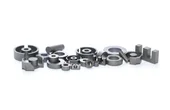
The energy and oil & gas sectors are undergoing transformation and additive manufacturing has a big role to play in this shift.
Be the first to know.
Get our energy optimization weekly email digest.
Tagged with
Energy optimization
ORGANIZATIONS. SHAPING THE INDUSTRY.
Latest Posts

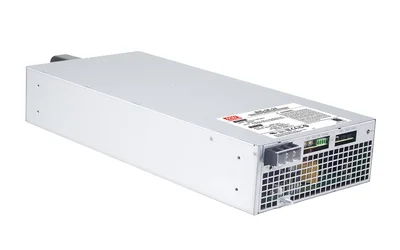
A sophisticated and practical path to implement high-efficiency, bidirectional power systems.
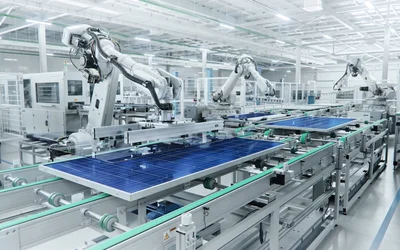
How Siemens applies domain-driven, trustworthy AI to cut emissions and accelerate energy-efficient transformation across industries

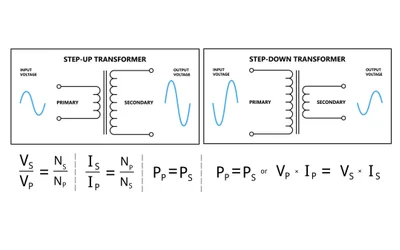
This technical guide provides a comparative analysis of step-up and step-down transformers covering turns ratio, grid voltage levels, design parameters, autotransformers, buck-boost configurations, efficiency standards and selection criteria.
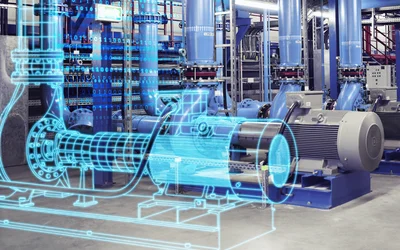
Explore how Siemens digital twin technology drives sustainability, decarbonization, and resource efficiency across manufacturing, buildings, energy, and aerospace through real-time simulation.


Engineered for Ultra-Fast Transient Control and Rapid Current Response


Many people think a variable frequency drive (VFD) is the same as a soft starter. They are indeed both types of motor starters, which use semiconductor components to provide a much smoother starting operation.



As demand for sustainable and reliable energy supplies grows, energy companies are turning to advanced analytics to optimize energy management and improve asset performance.

5 minutes read


The demand for predictive maintenance (PdM) solutions in the energy sector is rapidly evolving. The global PdM market is projected to grow 31% from 2024 to 2029
7 minutes read

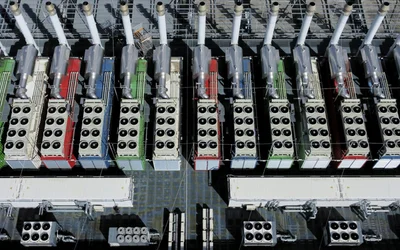
Artificial intelligence is growing fast, and so are the number of computers that power it. Behind the scenes, this rapid growth is putting a huge strain on the data centers that run AI models.

3 minutes read


For high-consumption environments like professional kitchens, balancing power loads has become a make-or-break challenge. One Energietechnik is out to meet, with an innovative solution for distributed, real-time energy management – based on Arduino Opta and Arduino Cloud.

3 minutes read


Understanding the basics of electrical transformer design, types, strategies, trade-offs, and effective implementation practices.


Novel thermal interface material cools chips better than existing state-of-the-art solutions.

2 minutes read


Texas A&M researchers will conduct a two-year “jumpstart” project devoted to developing electrified heating technologies.

3 minutes read

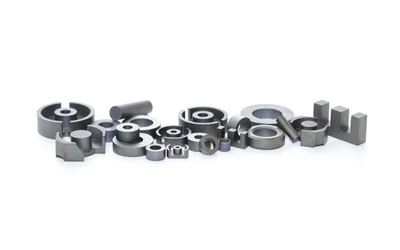
Distributed air gap cores, traditionally expensive, enhance efficiency and thermal management in high-power, high-frequency applications by reducing reluctance and fringing flux. Standardization efforts by brands like TDK are making these advanced solutions more accessible and cost-effective.