
Explore how miniaturization, edge AI, and battery-free IoT are transforming smart sensor design, creating new skills in low-power sensing and AI.
Be the first to know.
Get our battery weekly email digest.
Tagged with
Battery
Latest Posts

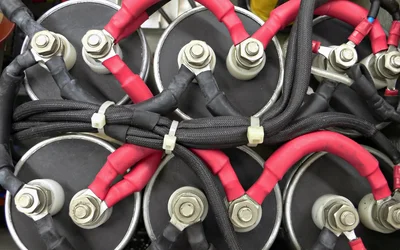
Explore power conversion efficiency in battery-powered systems, from buck-boost converters and battery chargers to low-power PMIC design.

Explore how renewable energy, SiC inverters, battery storage, and smart technologies are accelerating the decentralization of power grids.

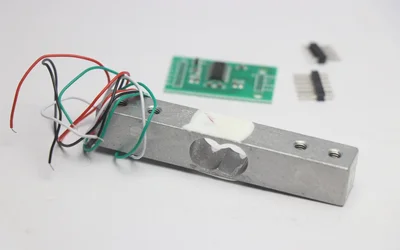
This article explains how load cells work, the main types, what accuracy specs and OIML/NTEP classes mean, and best practices for sizing, wiring, and installation.


Explore battery degradation in lithium-ion cells, from SEI growth and lithium plating to SOH, fleet data, and life-extension strategies.

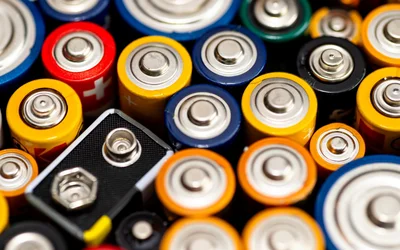
This article explores the LiFePO4 voltage chart, covering SOC and voltage for 3.2V, 12V, 24V & 48V systems, charging and BMS cutoffs.


This article explains lithium-ion battery fires, thermal runaway risks, prevention steps, safe handling, storage, and recycling guidance.

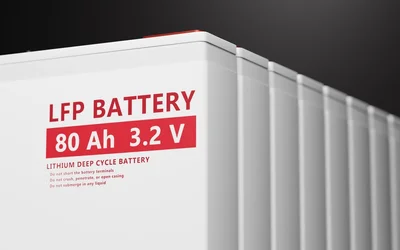
This article explains what is LiFePO4, how lithium iron phosphate batteries work, their safety benefits, cycle life, BMS requirements, applications, and key differences from lead-acid and other lithium-ion chemistries.

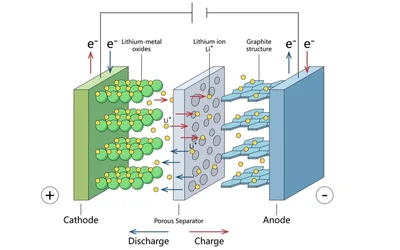
This article explains how to charge a Lithium-Ion battery safely and efficiently by covering charge profiles, voltage thresholds, current ratings, temperature derating, fast-charging limits, storage practices, and common design mistakes.

Learn why growing hardware teams slow down as they scale, and how aligned workflows, parallel collaboration, and real-time design visibility restore speed and momentum.


RPWORLD offers comprehensive CNC solutions that cater to the growing requirements of the energy sector, helping companies achieve superior performance and design flexibility.

3 minutes read

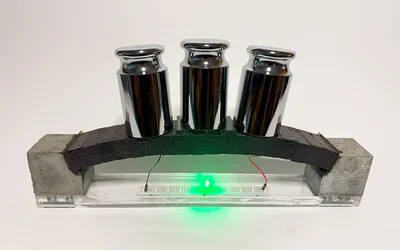
Improved carbon-cement supercapacitors could turn the concrete around us into massive energy storage systems.


New technology from Reeja Jayan in the department of mechanical engineering at Carnegie Mellon University extends battery life cycle by 10x, reduces charging time, and improves operating safety.

2 minutes read


As the world shifts toward electrification, the nations that command the battery supply chain will define the future of mobility, energy, and economic influence. For the U.S., the challenge isn't just to keep pace - it's to lead the charge.

3 minutes read

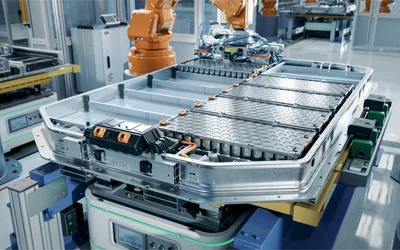
Traditional battery monitoring systems rely on temperature or voltage sensors but often miss early failure signs - this article explores how ScioSense's BCM1 gas sensing module offers a more proactive solution to thermal runaway.