Lightweight, High-Reliability Connectors for Next-Gen UAVs
How does connector design influence UAV performance in demanding environments? Harwin explores high-reliability connectors for next-generation UAVs.

26 May, 2026. 6 minutes read
Why Connectors Are a Critical UAV Design Constraint
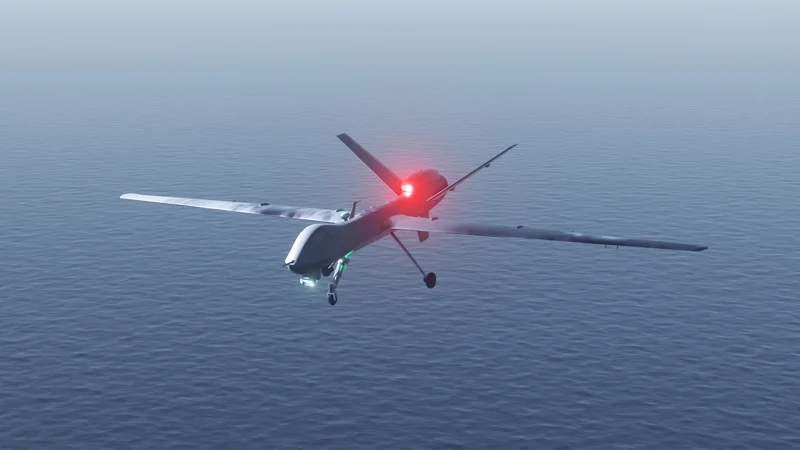
Unmanned aerial vehicles (UAVs) have changed significantly over the past decade. Platforms that were relatively simple remote-controlled systems are now highly integrated airborne computers, carrying advanced sensors, communication modules, and autonomous control systems. Airframes are also getting smaller and lighter, and prioritizing payload efficiency and extended flight times. Miniaturization and performance expansion place pressure on every subsystem within the vehicle.
The range of onboard electronic systems influences the design of the interconnect architecture that links them. Flight control units, inertial measurement systems, cameras, LiDAR modules, communication radios, and power distribution boards are required to exchange data and power reliably within a confined, weight-sensitive space. In this regard, connectors directly influence weight, reliability, signal integrity, and system resilience.
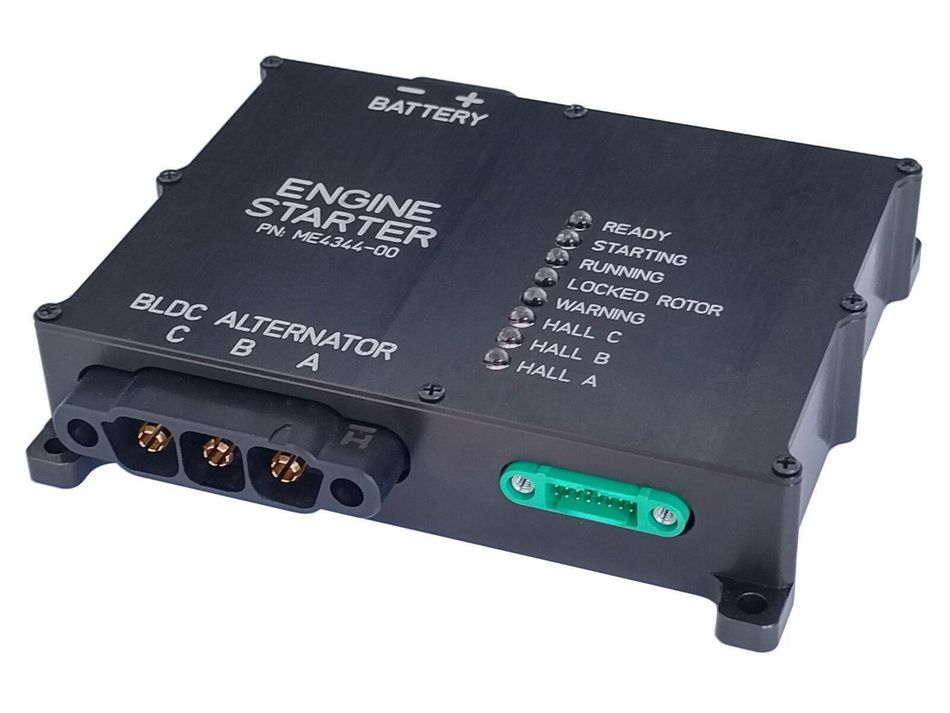 Visionair Engine Starter Part. Image credit: visionair | Next Level Safety
In UAVs, connectors are a non-trivial design choice. A marginal decision on connector selection can affect vibration resistance, introduce signal degradation, or add unnecessary weight. This article explores how connector design influences UAV performance in demanding environments and examines how Harwin addresses these requirements in next-generation UAV platforms.
UAV Operating Environments and Mechanical Stress
The conditions in which UAV connectors operate are quite different from those of terrestrial electronic systems. For instance, even small multi-rotor drones generate continuous vibration from their propulsion systems. Fixed-wing platforms introduce additional dynamic loads during take-off, maneuvers, and landing. These mechanical stresses are persistent throughout flight.
Repeated micro-movements at contact interfaces due to vibrations can lead to fretting corrosion, intermittent signal interruption, or gradual loosening of the connection. In UAVs used for surveillance, mapping, or tactical operations, intermittent faults can compromise mission data without immediately presenting as a total system failure. Hence, robust mechanical retention is a primary design consideration.
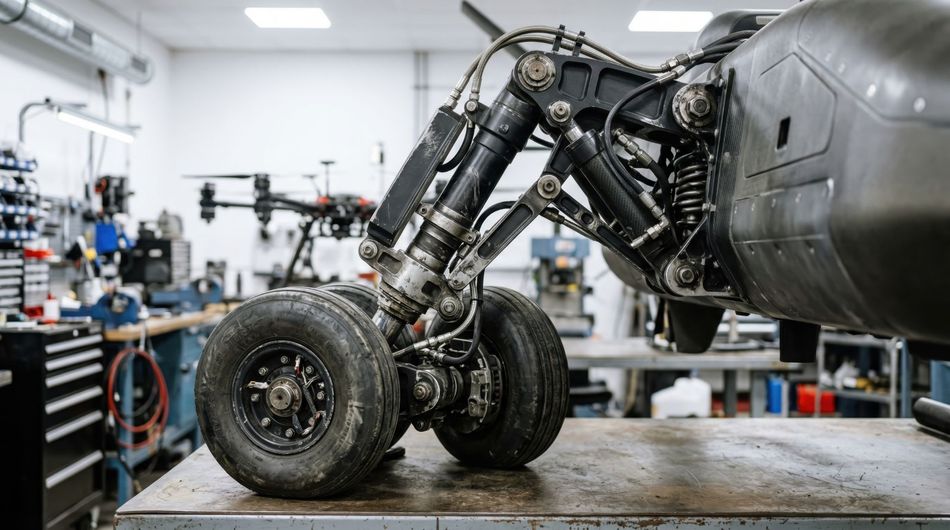
Shock loads are also common in UAVs. Hard landings and recovery operations expose connectors to sudden accelerations. In some tactical applications, UAVs may experience abrupt impacts during deployment or transport. Maintaining contact integrity under these transient loads is imperative to avoid any interruptions in power or signal paths.
Similarly, dust, sand, moisture, and temperature fluctuations at altitude contribute to long-term reliability challenges. For instance, rapid temperature transitions can cause expansion and contraction of materials, stressing solder joints and mechanical interfaces.
Therefore, connectors must be evaluated not only on their nominal electrical ratings, but on their mechanical and electrical stability under vibration, shock, and environmental exposure.
Size, Weight, and Power (SWaP) Pressures in UAV Design
Size, weight, and power (SWaP) constraints impact UAV design decisions. Every gram added to the airframe reduces payload capacity or shortens flight time. Small components, when multiplied across multiple subsystems, accumulate into a meaningful mass.
Although connectors are small individually, a UAV may contain dozens of interconnects linking avionics boards, sensor modules, battery systems, and actuators. Selecting heavier connector systems where lighter alternatives would suffice can result in unnecessary weight.
PCB real estate is another SWaP constraint as compact airframes limit board size, which pressures designers to increase component density. Connectors with higher contact density in smaller footprints enable more compact avionics architectures. However, reducing size introduces trade-offs. Smaller connectors must still provide sufficient contact force, electrical isolation, and mechanical robustness. If contact integrity is sacrificed for compactness, vibration-induced faults may increase.
Similarly, connector selection also influences power distribution efficiency. High-current paths to motors, battery systems, and onboard compute modules require connectors capable of handling current without excessive resistive losses or thermal buildup.
Therefore, lightweight connector systems that maintain mechanical retention and electrical performance are imperative for compact UAV designs as they provide tighter packaging of avionics without forcing compromises in reliability.
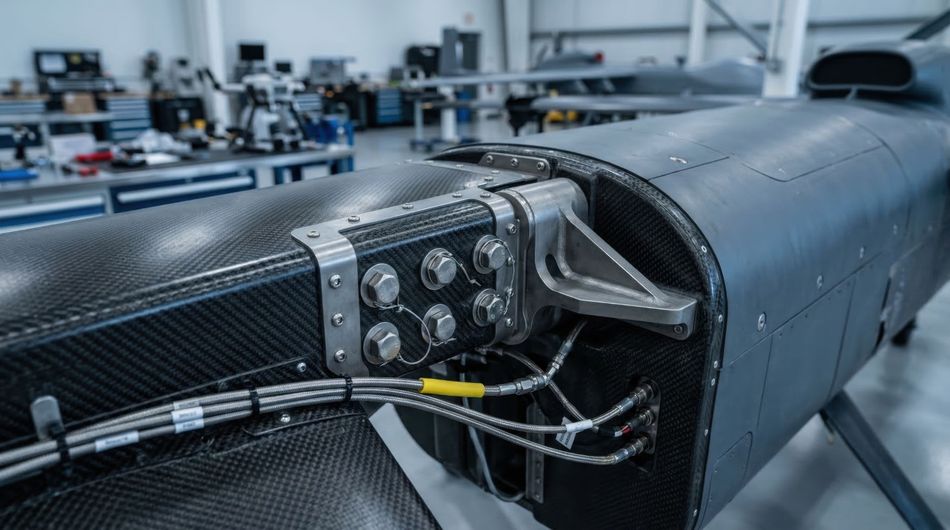 Advanced Unmanned Aerial Vehicle (UAV) Components and Wiring. Source: Adobe Stock
Electrical and Signal Integrity Challenges in Compact Airframes
Advanced UAVs integrate several electrical subsystems within confined spaces. For example, high-speed data links connect cameras and sensors to onboard processors, radio frequency modules transmit telemetry and video streams, and power distribution networks deliver energy from batteries to motors, flight controllers, and auxiliary electronics. These mixed-signal environments create complex electromagnetic conditions.
High-speed digital signals are sensitive to impedance discontinuities and electromagnetic interference (EMI). Cable harness construction influences electromagnetic performance and mechanical durability. The use of backshells, shield terminations, and braided cable shielding helps reduce susceptibility to EMI while providing protection against wear caused by movement and vibration within the airframe. Proper harness routing and shielding practices work together with connector geometry to maintain signal quality in densely packed avionics layouts.
Moreover, poorly designed connectors can increase susceptibility to EMI. Contact plating materials and surface finishes also affect long-term electrical performance, particularly in vibrating or humid environments. In UAVs used for imaging or mapping, minor signal distortion can degrade data quality.
Connector design with these considerations in mind can mitigate these issues. For instance, controlled contact geometry helps maintain consistent impedance for high-speed data lines. Adequate spacing and insulation help maintain electrical isolation in dense layouts. In some applications, integrated shielding features and robust grounding strategies reduce EMI susceptibility.
Connector Design Features That Enable UAV Reliability
Given the mechanical and electrical challenges described, certain connector design characteristics are valued in UAV applications. For example, secure mating mechanisms, such as locking features or screw retention, reduce the likelihood of accidental disengagement due to vibrations or shocks. Multi-point contact systems can improve electrical stability by providing redundant contact interfaces. Advanced material selection and optimized housing geometries help reduce weight without compromising structural integrity.
High mating cycle durability is important for maintenance and modular system architectures. Many UAV platforms are designed with interchangeable payloads or field-replaceable modules. Connectors in these systems may be mated and unmated repeatedly during testing, upgrades, or repairs. Durable contact systems maintain performance across multiple cycles and reduce the wear-related failure risks.
Companies with experience in the aerospace and defense sectors bring relevant expertise to UAV interconnect challenges. Harwin is a prime example that has developed connector families specifically engineered for high-reliability environments. For instance, Harwin’s Gecko and Gecko-MT Series connectors are designed for systems with strict SWaP limitations. Although ultra-compact in footprint, they are built to endure wide temperature ranges and significant mechanical stress. The Gecko-MT variant incorporates dedicated power contacts, extending its suitability to UAV applications that combine signal and power transmission within a single interface.
Harwin’s Datamate connectors are known for secure mating mechanisms and mechanical retention features engineered for high-vibration and shock-prone environments. Applications requiring higher current handling or additional ruggedization can use the M-300 connectors, which feature proven robust housings and retention systems suited to harsh conditions.
The connector families address the core reliability challenges of airborne electronics by focusing on vibration resistance, weight reduction, and durable contacts.
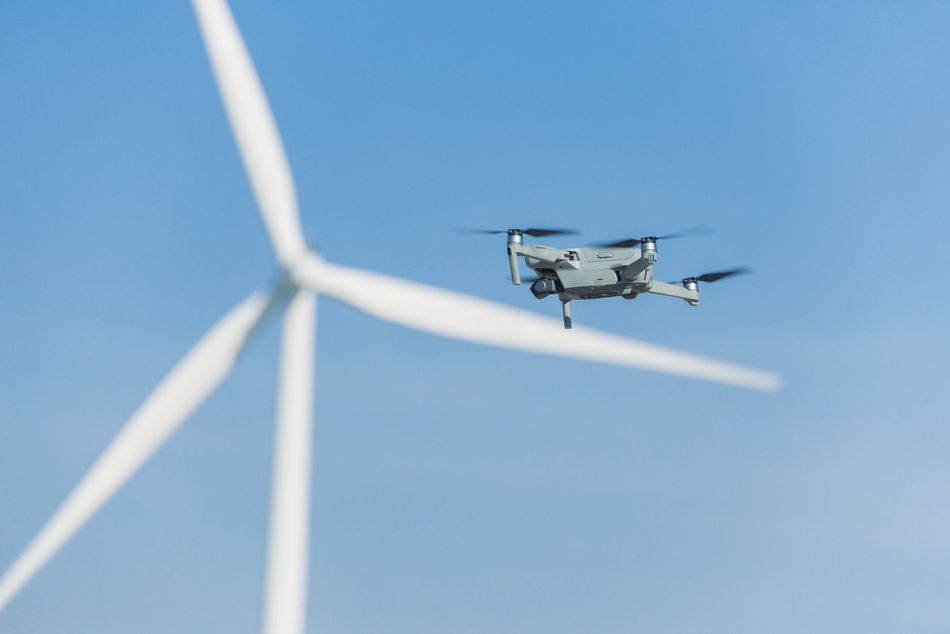
Supporting Next-Generation Unmanned and Small Aerial Systems
UAV platforms vary widely in size, mission profile, and operating environment, each with its own integration complexity. For instance, small tactical drones are deployed in field environments where maintenance opportunities are limited. Long-endurance systems operate at high altitudes for extended durations, subjecting electronics to temperature extremes and sustained vibration. Advanced autonomous and swarming systems complicate integration through distributed processing and inter-vehicle communication.
Reliable connectors play an important role in these advanced designs. Sensor fusion systems rely on uninterrupted data exchange between cameras, radar units, inertial sensors, and onboard processors. A single intermittent connector fault can compromise data alignment or degrade navigation performance. Redundant system architectures require multiple parallel signals and power paths. Connectors in these systems are designed to ensure consistent performance across channels without significantly increasing weight.
In swarming or networked UAV systems, compact and lightweight connectors facilitate distributed electronics, which allows designers to place processing nodes and communication modules throughout the airframe. This architectural flexibility enhances system resilience and scalability.
Designing Connectors as Part of the Airframe System
Connectors are treated as an integral part of the overall airframe system in next-generation UAV design. They influence weight, packaging density, signal integrity, and mechanical robustness.
Lightweight, vibration-resistant connectors support the SWaP objectives central to UAV development. They help ensure consistent system behavior in demanding operational conditions by maintaining secure mating under continuous mechanical stress and preserving electrical performance in mixed-signal environments.
Companies such as Harwin apply aerospace-grade connector design principles to emerging UAV applications, offering compact, durable interconnect solutions tailored to vibration-prone and weight-sensitive platforms.
Engineers interested in exploring high-reliability connector technologies for UAV architecture can find further technical information and product specifications on Harwin's website.
References
Harwin. [Online] Available at: https://www.harwin.com/ (Accessed on February 13, 2026)
Harwin. [Online] Wevolver. Available at: https://www.wevolver.com/profile/harwin (Accessed on February 13, 2026)
Gecko. Micro-Miniature Connectors for SWaP-C Optimization. [Online] Harwin. Available at: https://www.harwin.com/hri-range/gecko (Accessed on February 13, 2026)
Datamate. High reliability, miniature connectors for SWaP-C optimization [Online] Harwin. Available at: https://www.harwin.com/hri-range/datamate (Accessed on February 13, 2026)