Featured
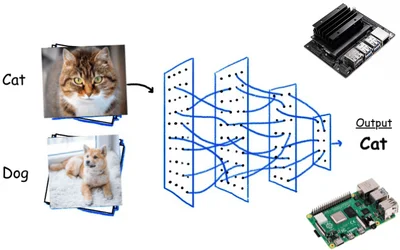
Designed to dramatically reduce the amount of training data needed for an image recognition system, this one-shot approach "inspired by nativism" takes a leaf from humans' ability to intuit and abstract.
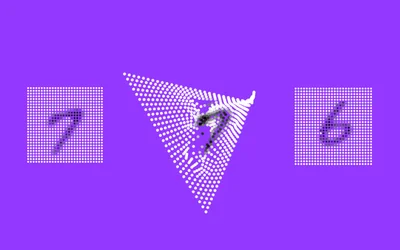
Designed to dramatically reduce the amount of training data needed for an image recognition system, this one-shot approach "inspired by nativism" takes a leaf from humans' ability to intuit and abstract.
Designed to dramatically reduce the amount of training data needed for an image recognition system, this one-shot approach "inspired by nativism" takes a leaf from humans' ability to intuit and abstract.
BottleFit framework applied DNN models in image classification achieves 77.1% data compression with up to 0.6% accuracy loss on the ImageNet dataset.
Considered obsolete since the introduction of vision transformers, ConvNeXt proves there's life in convolution yet — outperforming its rivals by adopting some of their own tricks.
Learn the powerful approach of combining data from multiple sensors to enhance the overall perception, reliability, and decision-making capabilities of various systems with ease.
15 minutes read.
13 minutes read.
17 minutes read.
11 minutes read.
16 minutes read.
14 minutes read.


High Tech
High Tech Campus Eindhoven is Europe's smartest square km and has the ultim...
49 Posts

University for science and technology
Freedom and individual responsibility, entrepreneurial spirit and open-min...
43 Posts
From leading experts at the CDFAM Computational Design Symposium
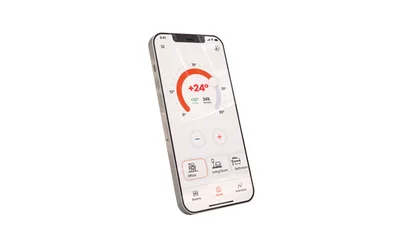
eCozy 2.0 system addresses the limitations of traditional thermostats for water heating radiators, delivering efficiency, convenience and sustainability benefits to households
Protect the cloud by securing the edge with hardware-based security, TPMs, HSMs, and resilient edge computing architectures.
Explore the rise of intelligent EV hardware and how real-time processing, ML acceleration, and hardware virtualization are enabling safer, smarter, software-defined electric vehicles.
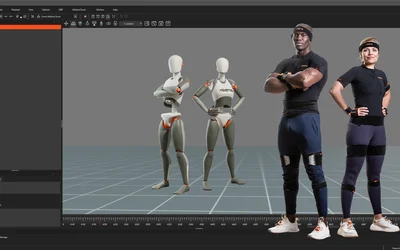
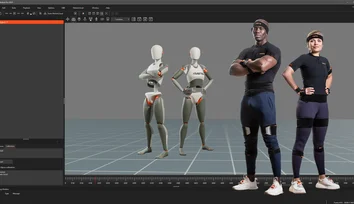
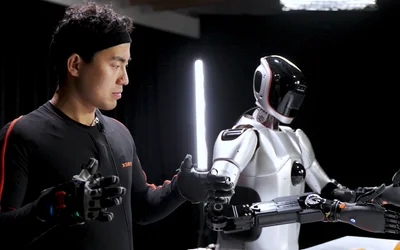
how Ryan Gray brings real performance into Fallout and Rebel Moon with Xsens mocap
With MVN Analyze
Designed to dramatically reduce the amount of training data needed for an image recognition system, this one-shot approach "inspired by nativism" takes a leaf from humans' ability to intuit and abstract.
BottleFit framework applied DNN models in image classification achieves 77.1% data compression with up to 0.6% accuracy loss on the ImageNet dataset.
Considered obsolete since the introduction of vision transformers, ConvNeXt proves there's life in convolution yet — outperforming its rivals by adopting some of their own tricks.
A holistic open-source framework to improve the performance of multiple modalities and outperform the existing single-modality algorithms.
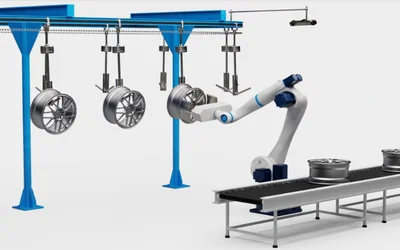
MotionCam-3D by Photoneo enables 3D scanning & handling of objects that are moving on an overhead conveyor without interruption. The camera provides high-quality 3D data even while the objects are moving, swinging, or slightly rotating.

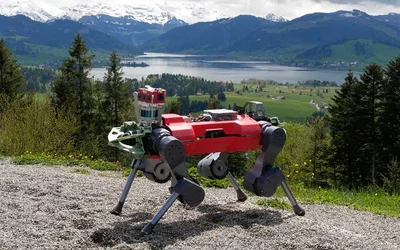
ETH researchers led by Marco Hutter developed a new control approach that enables a legged robot, called ANYmal, to move quickly and robustly over difficult terrain. Thanks to machine learning, the robot can combine its visual perception of the environment with its sense of touch for the first time.

3 minutes read
Real-time occupancy monitoring of the comings and goings inside a warehouse, conference room, or corridor yields valuable data.

3 minutes read
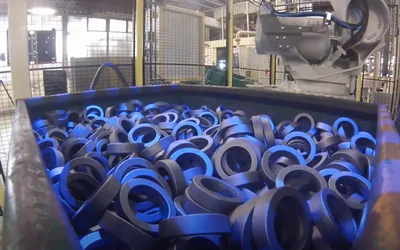
This handbook introduces the concept of bin-picking, and explores its complexity through real-case studies.

2 minutes read
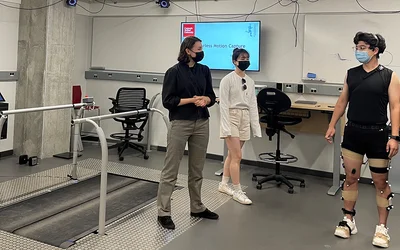
Wearable sensors plus computer vision could reduce the likelihood of degenerative joint disease.

3 minutes read
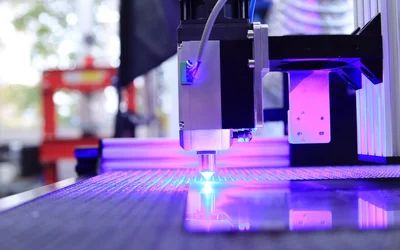
In this episode, we talk about how a breakthrough with compact laser nano-printers can make them more accessible for researchers and how leveraging 3D printing technology and machine learning will provide essential insight for developing next-gen cochlear implants.

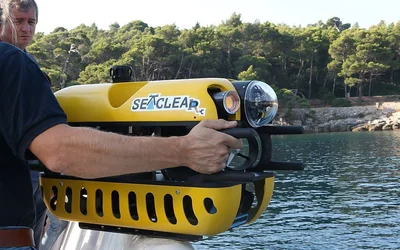
Removing litter from oceans and seas is a costly and time-consuming process. As part of a European cooperative project, a team at the Technical University of Munich (TUM) is developing a robotic system that uses machine learning methods to locate and collect waste under water.
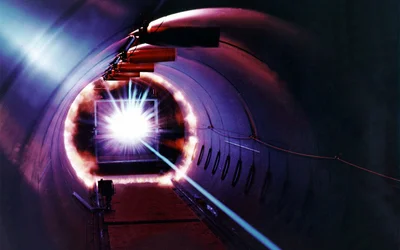
Ultra-precise lasers can be used for optical atomic clocks, quantum computers, power cable monitoring, and much more. But all lasers make noise, which researchers from DTU Fotonik want to minimize using machine learning.

4 minutes read
At READY we want to engage the landscape of developers outside the robotics industry to be programmers in the robotics industry.

4 minutes read
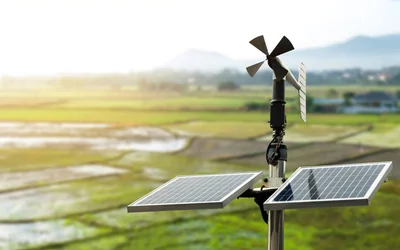
In this article, we take a look at two tinyML projects that have the potential to make contributions towards sustainable development goals. While the first project is about revolutionising precision farming, the second one aims to create a network of low-cost sensors for mapping carbon emissions.
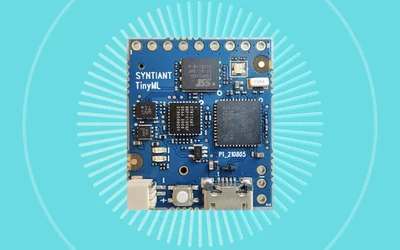
Edge Impulse recently announced official support for the Syntiant NDP101 processor, an always-on sensor and speech recognition processor, with ultra-low power consumption of less than 140 uW while recognizing words.