Featured
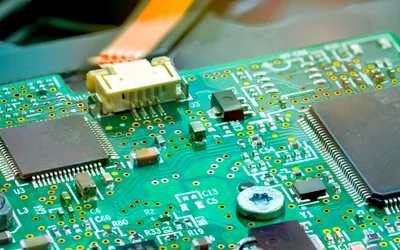
AI-ready tools for embedded development evolve how engineers address real-world challenges.

AI-ready tools for embedded development evolve how engineers address real-world challenges.
AI-ready tools for embedded development evolve how engineers address real-world challenges.
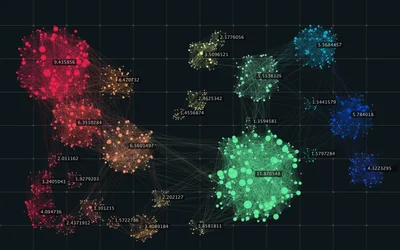
Unsupervised learning is a machine learning approach that finds patterns, structure, or useful representations in unlabeled data. It groups similar observations, compresses high-dimensional features, detects outliers, discovers item relationships, and supports modern representation learning.
13 minutes read.
17 minutes read.
11 minutes read.
16 minutes read.
14 minutes read.
14 minutes read.



High Tech
High Tech Campus Eindhoven is Europe's smartest square km and has the ultim...
49 Posts

University for science and technology
Freedom and individual responsibility, entrepreneurial spirit and open-min...
43 Posts
From leading experts at the CDFAM Computational Design Symposium
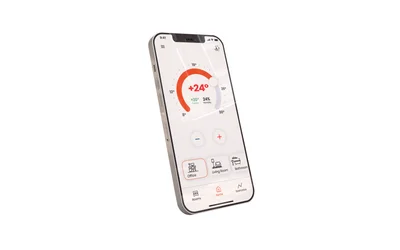
eCozy 2.0 system addresses the limitations of traditional thermostats for water heating radiators, delivering efficiency, convenience and sustainability benefits to households
Protect the cloud by securing the edge with hardware-based security, TPMs, HSMs, and resilient edge computing architectures.
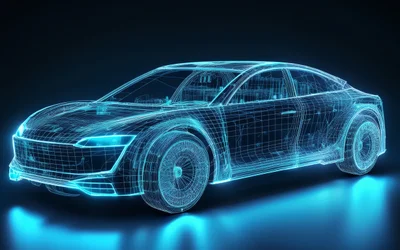
Explore the rise of intelligent EV hardware and how real-time processing, ML acceleration, and hardware virtualization are enabling safer, smarter, software-defined electric vehicles.
With MVN Analyze
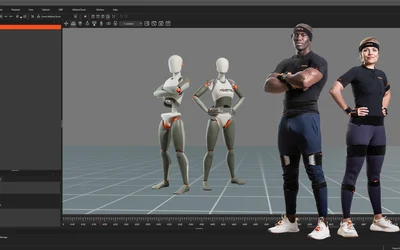
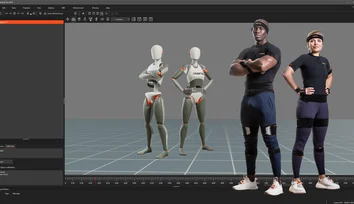
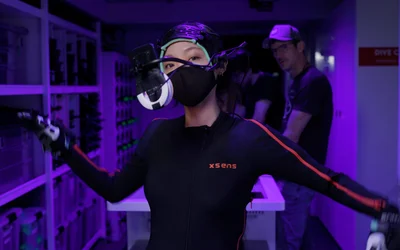
how Last Praetorian Interactive made Project Vesperi with one Xsens suit
With Xsens Motion Capture
AI-ready tools for embedded development evolve how engineers address real-world challenges.
With Xsens MVN Analyze

5 minutes read
From leading experts at the CDFAM Computational Design Symposium

6 minutes read
eCozy 2.0 system addresses the limitations of traditional thermostats for water heating radiators, delivering efficiency, convenience and sustainability benefits to households

4 minutes read
how Last Praetorian Interactive made Project Vesperi with one Xsens suit
5 minutes read
Protect the cloud by securing the edge with hardware-based security, TPMs, HSMs, and resilient edge computing architectures.
With Xsens Motion Capture
5 minutes read
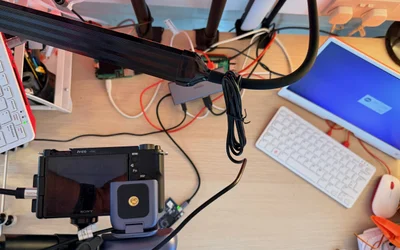
He built an AI agent that watches him work, and documents builds for him. Powered by the Arduino® UNO™ Q. In four hours.

3 minutes read
EPFL researchers are developing AI models that could one day enable vision prosthetics able to restore meaningful, object-level sight for the blind.
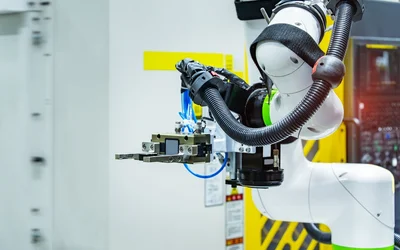
A deep-dive listicle guiding controls, automation, and quality engineers toward the best vision systems for manufacturing applications in 2026.
With Xsens
5 minutes read
With Xsens Indie Program
5 minutes read
Explore the rise of intelligent EV hardware and how real-time processing, ML acceleration, and hardware virtualization are enabling safer, smarter, software-defined electric vehicles.