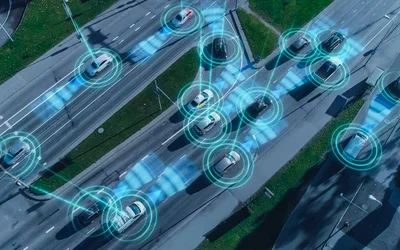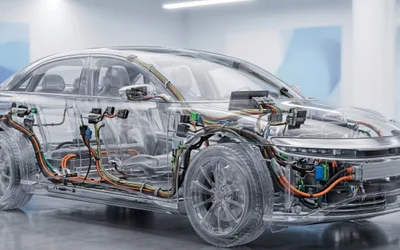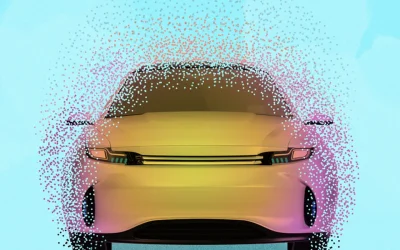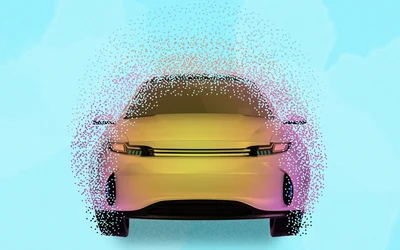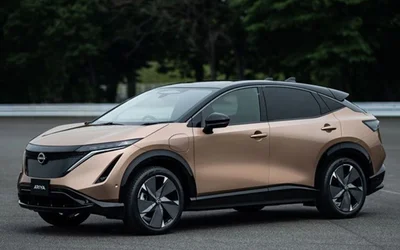
Article #1 of Innovations in Electric and Autonomous Vehicles Series: With so much emphasis on electrification, advancements in autonomous driving seem to have taken a backseat. Let’s take a look at the changes required to reach the point where cars drive around without needing any manual intervention.
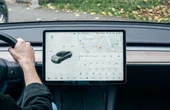
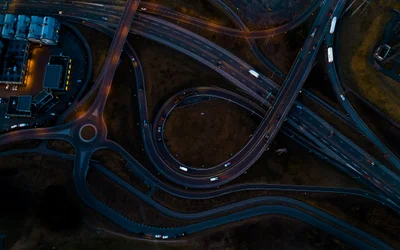
Introducing the Innovations in Electric and Autonomous Vehicles Series. Electric and autonomous vehicles are set to change the way we travel. But to reach higher levels of efficiency and autonomy, step changes are required in various automotive technologies.
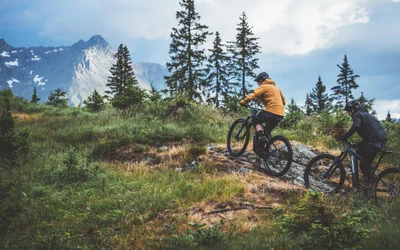
The world has seen a real boom in bicycles since the coronavirus pandemic – and those with gears are booming in particular. However, e-bikes require a complex design with a high level of precision.
Lidar SLAM lets a robot, vehicle, or handheld scanner map an unknown space while tracking its own position inside it. This guide discusses the processing pipeline, compares nine lidar SLAM and odometry algorithms, from GMapping to lidar-inertial and neural methods, and shows how to choose sensors
Article #1 of Innovations in Electric and Autonomous Vehicles Series: With so much emphasis on electrification, advancements in autonomous driving seem to have taken a backseat. Let’s take a look at the changes required to reach the point where cars drive around without needing any manual intervention.
Introducing the Innovations in Electric and Autonomous Vehicles Series. Electric and autonomous vehicles are set to change the way we travel. But to reach higher levels of efficiency and autonomy, step changes are required in various automotive technologies.
The world has seen a real boom in bicycles since the coronavirus pandemic – and those with gears are booming in particular. However, e-bikes require a complex design with a high level of precision.
Researchers from EPFL and JTEKT Corporation have developed an automated driving system based on the concept of ‘collaborative steering’, which aims to increase transportation safety, efficiency, and comfort by encouraging active interaction between autonomous vehicles and their human drivers.
In this episode, we talk about a research study from MIT that estimates the carbon emissions associated with autonomous vehicles will match that currently produced by all of the data centers in the world along with how to address it.
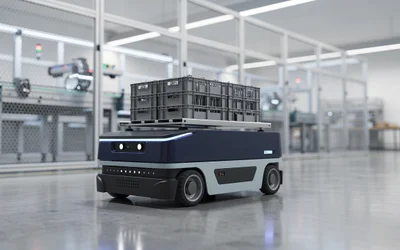
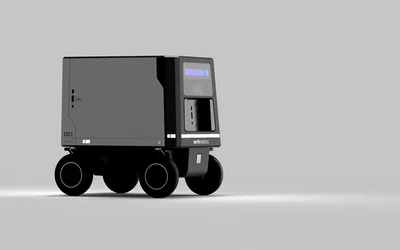
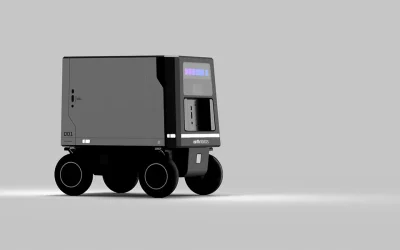
In this episode, we talk about a startup that developed a robot to eliminate the hassle of lost packages in large complexes and address the last meter delivery problem.
Study shows that if autonomous vehicles are widely adopted, hardware efficiency will need to advance rapidly to keep computing-related emissions in check.
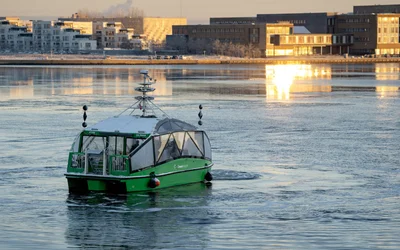
A catamaran ferry powered by green electricity has crossed the Limfjord—albeit without a captain at the helm. A research partnership between DTU and the maritime industry, institutions, and authorities has resulted in the demonstration of an autonomous harbour bus in the Port of Aalborg.
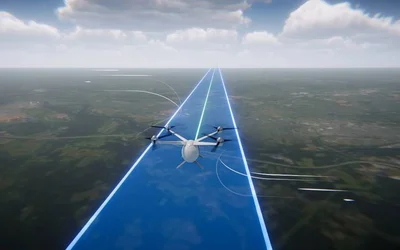
Tabletop exercises allow researchers to explore options and test scenarios in fields from military strategy and cybersecurity to disaster response planning. Now, NASA is using tabletop exercises to test how electric air taxis will fit safely into the national airspace – allowing passengers to one day hop across town or to a neighboring city by using new highways in the sky.
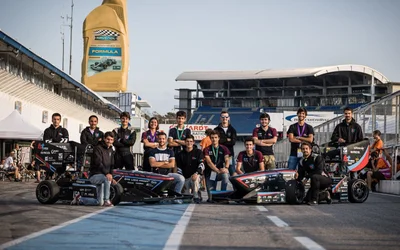
This year, Murata is sponsoring the Formula Student Team from the Instituto Superior Técnico, University of Lisbon, with a mixture of funding and electronic components.
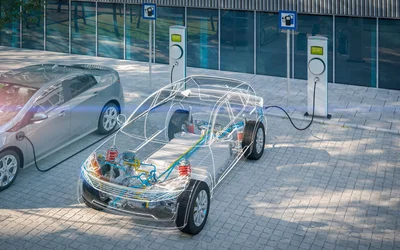
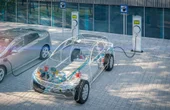
Article #1 of Power Management for Tomorrow’s Innovations Series: Optimizing the power converter and battery management system designs can solve the challenges associated with present-gen electric vehicles like short traveling ranges and high costs.