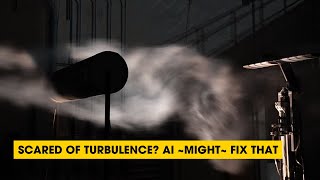
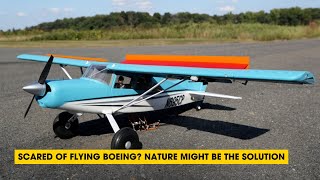
In this episode, we explore how the mechanics of bird wings are inspiring new approaches to prevent airplanes from stalling and learn how bio-mimetic designs from nature are paving the way for innovations in aviation, enhancing stability and safety for future flights.

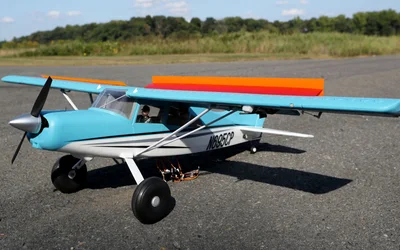
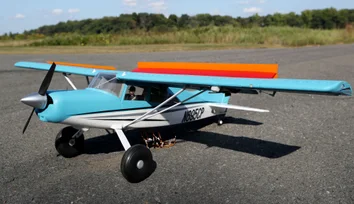
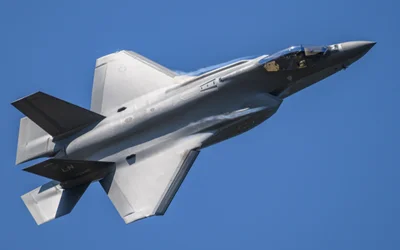
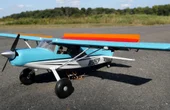
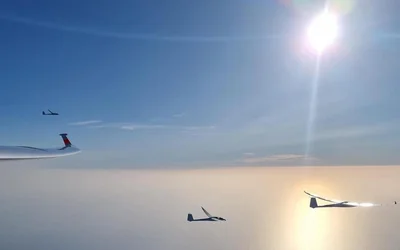
Taking inspiration from bird feathers, Princeton engineers have found that adding rows of flaps to a remote-controlled aircraft’s wings improves flight performance and helps prevent stalling, a condition that can jeopardize a plane’s ability to stay aloft.
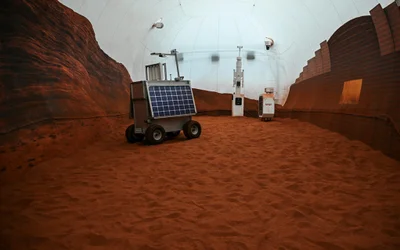
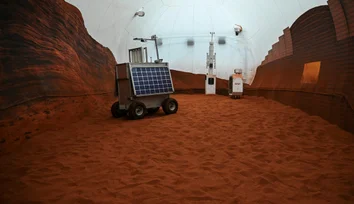
Humanity's drive to explore has taken us across the solar system, with astronaut boots, various landers and rovers' wheels exploring the surfaces of several different planetary bodies.
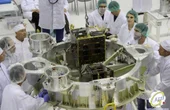
In space, maintenance isn't possible, so satellites must operate reliably for their entire mission. This makes fault detection, isolation, and recovery (FDIR) a critical requirement in satellite design.
NEOWISE's enduring infrared eyes, which faithfully scanned the entire sky a whopping 23 times and observed more than 190,000 solar system objects, have closed for good
Composite metal foam could make aircraft wings or armor simultaneously stronger and lighter. An advanced material, the properties of composite metal foam (CMF) indeed make it attractive for a wide range of applications.
In this episode of the “This is Our Mission” podcast, Sean Hehir interviews Dr. Eric Gallo, a Senior Principal at Accenture Labs. They discuss the advantages of neuromorphic technology and its impact on edge computing, as well as advancements in SpaceTech.
4 ways to improve product development in aerospace and defense using speed, component reduction, multiple manufacturing methods, and quality assurance.
Futureproofing Aerospace Series. Article #4: Rochester Electronics has decades of experience helping customers navigate the complexities of component obsolescence.
Borrowing methods from biology, a team of scientists and engineers designed and tested an electrolyte that keeps battery power delivery high, cycle after cycle.
In 2024, a joint survey from the RAeS and digital manufacturing experts, Protolabs, revisited a 2023 questionnaire on the top concerns and issues for those in aerospace manufacturing. One year on, what were the fresh findings of this updated industry snapshot? TIM ROBINSON FRAeS reports.
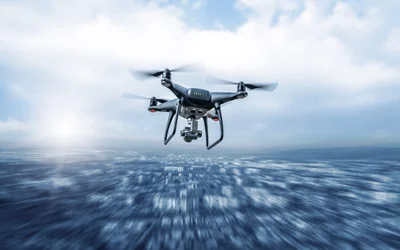
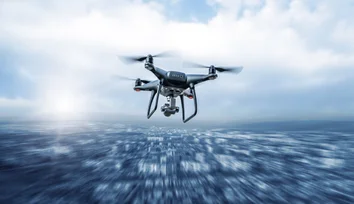
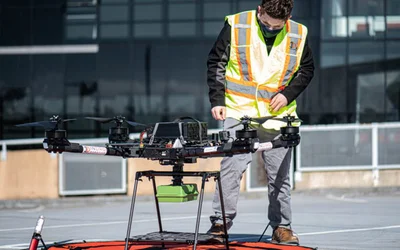
Drones are integral to military operations globally, especially in high-risk environments where manned flight is impractical. Learn how to integrate sensors into these devices properly.
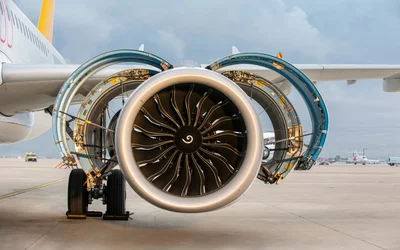
Poorly documented dents can lead to more significant problems, potentially compromising the aircraft’s structural integrity or performance. They can trap moisture and lead to corrosion. Their impact on the structure can also affect the aircraft’s aerodynamic performance.