Featured
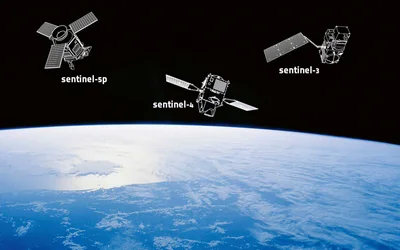
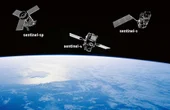
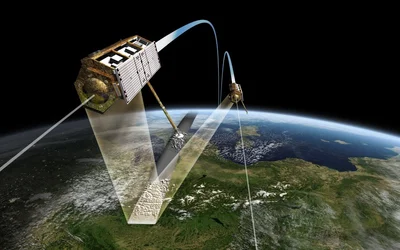
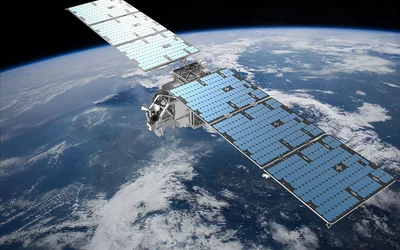
Earth-observation satellites deliver data for a wealth of applications – from monitoring climate change and documenting war crimes to planning disaster relief and assessing snow depth. ETH researchers are also big beneficiaries.

This white paper explains how precision timing solutions support reliable PNT architectures across aerospace, defense, and industrial systems.
Earth-observation satellites deliver data for a wealth of applications – from monitoring climate change and documenting war crimes to planning disaster relief and assessing snow depth. ETH researchers are also big beneficiaries.
Listen to industry experts from Quest Global discuss how digital twins are transforming aerospace and defense manufacturing by cutting design cycles, driving predictive maintenance, and improving manufacturing efficiency.
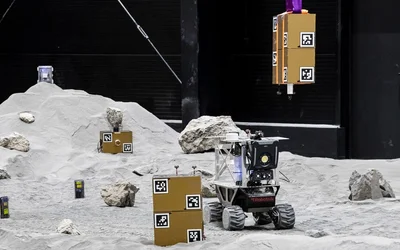
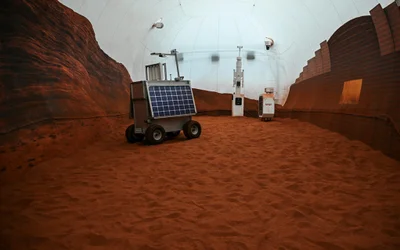
The German Aerospace Center (Deutsches Zentrum für Luft- und Raumfahrt; DLR) has been researching how payload boxes, sensors, rovers and astronauts can connect to form an integrated network.
Aerospace CNC machining is the backbone of modern aircraft production. This guide explains the theory and practice behind it.
12 minutes read.
16 minutes read.
16 minutes read.
9 minutes read.

Robotics and Drones
We empower R&D by providing the computational power, ROS packages, payloads...
14 Posts
Learn why growing hardware teams slow down as they scale, and how aligned workflows, parallel collaboration, and real-time design visibility restore speed and momentum.
How standardized electronic identification will enable high-volume, complex drone operations.
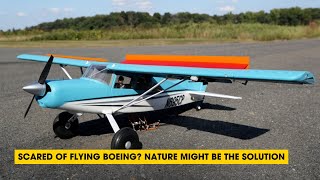
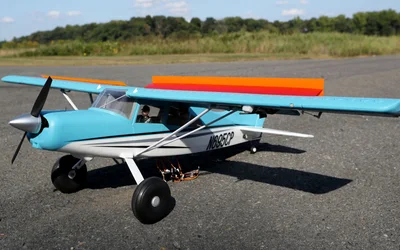
In this episode, we explore how the mechanics of bird wings are inspiring new approaches to prevent airplanes from stalling and learn how bio-mimetic designs from nature are paving the way for innovations in aviation, enhancing stability and safety for future flights.
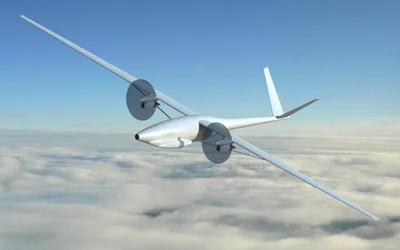
Taking inspiration from bird feathers, Princeton engineers have found that adding rows of flaps to a remote-controlled aircraft’s wings improves flight performance and helps prevent stalling, a condition that can jeopardize a plane’s ability to stay aloft.
In this episode, we explore NASA's successful test of a powerful new lithium-fed electric thruster that could one day power human missions to Mars.
A novel electromagnetic thruster passed an initial test in a specialized chamber at JPL. With further development, these thrusters could support human missions to the Red Planet.
Humanity's drive to explore has taken us across the solar system, with astronaut boots, various landers and rovers' wheels exploring the surfaces of several different planetary bodies.
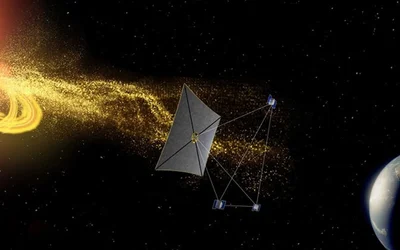
A spacecraft that sails on light could provide new vantage point on solar eruptions that can disrupt modern electrical and navigation systems.
Earth-observation satellites deliver data for a wealth of applications – from monitoring climate change and documenting war crimes to planning disaster relief and assessing snow depth. ETH researchers are also big beneficiaries.

5 minutes read
Listen to industry experts from Quest Global discuss how digital twins are transforming aerospace and defense manufacturing by cutting design cycles, driving predictive maintenance, and improving manufacturing efficiency.
The German Aerospace Center (Deutsches Zentrum für Luft- und Raumfahrt; DLR) has been researching how payload boxes, sensors, rovers and astronauts can connect to form an integrated network.
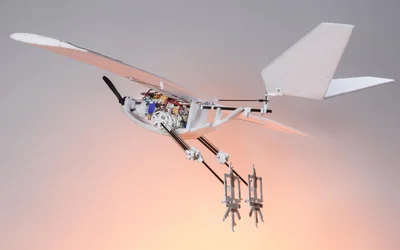
EPFL researchers have built a drone that can walk, hop, and jump into flight with the aid of birdlike legs, greatly expanding the range of potential environments accessible to unmanned aerial vehicles.

3 minutes read
How digital threads enhance lifecycle resilience, ensuring seamless data flow, robust cybersecurity, and adaptability to tackle supply chain disruptions and evolving aerospace challenges.
This article highlights non-terrestrial networks at high altitudes, focusing on R&D and testing efforts to support next-generation telecommunications standards, Beyond 5G and 6G.

6 minutes read
Discover how parametric modeling enables faster iterations, improved accuracy, and optimized aerospace design and manufacturing performance.
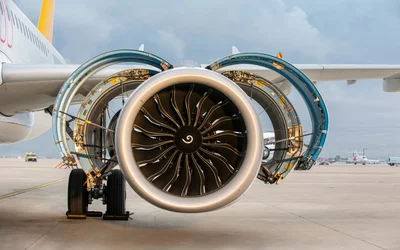
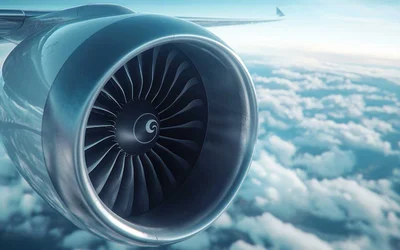
Hydrogen-powered planes are set to take wing around the world in the future. To make this possible, engineers have to develop the jet engines that will power them. Experiments by researchers at ETH Zurich are now providing the necessary basis for making these engines powerful and durable.
4 minutes read
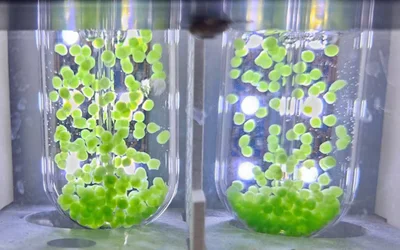
WashU-led consortium to facilitate integrative research and education for space biology

2 minutes read
Aerospace and defense manufacturing faces strict quality demands where non-conformance disrupts efficiency. Read how Quest Global is leading the transformation to a more proactive, data-driven approach that delivers unprecedented levels of control, reliability, and efficiency across the industry.
Learn how manufacturers are leveraging IoT, AI, and automation to tackle global competition, meet sustainability goals, and enhance customization at Hexagon Live on November 27th-28th.
The aerospace industry faces non-conformances like material defects and process errors, causing delays and safety risks. Digital thread technologies help streamline operations, reduce non-conformances, and ensure adherence to strict quality and safety standards.
Key Considerations for Selecting Satellite Sensors: Types, Performance, Environment, and Integration
Explore how advanced solutions in manufacturing intelligence are transforming aerospace manufacturing by addressing key challenges in design, production, and quality control while promoting sustainability.
The 23rd Precision Fair showcased innovations like Hexagon's MarvellScan and Maxon's SCARA robots, with Aero Delft winning the Young Talent Pitch for their hydrogen aircraft.