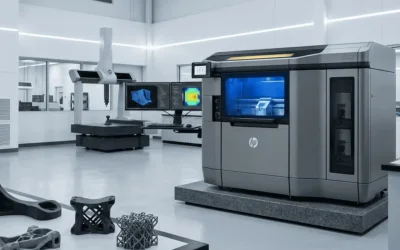
This Report shows how tools like artificial intelligence, digital twins, and on-demand manufacturing are no longer emerging concepts, but are already delivering measurable impact across the product lifecycle.
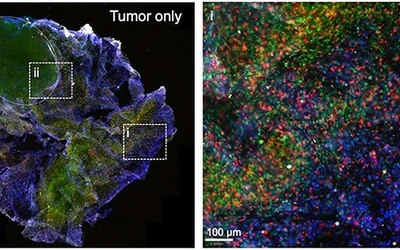
Researchers have developed a 3D bioprinter for cancer research that can be folded into a carry-on pack, transported, and easily reassembled for printing inside a biosafety cabinet. The technology can perform rapid and reproducible manufacture of complex tumouroids – 3D cell cultures which resemble tumour tissues – to test potential immunotherapy treatments.
In this episode we talk about how researchers at EPFL have developed a new method of 3D printing bone-like composites using bacteria-infused ink. The process involves the use of hydrogel as a printing medium that provides a scaffold for bacterial growth, which produces calcium carbonate crystals that mimic the properties of bone.
Overhangs represent one of the biggest challenges for FDM 3D printers. Here we look at how to safely print them using support structures, bridging, and other techniques.
Nylon parts are used widely, but when standard nylon is not tough enough, glass filled nylon is a good candidate. This polyamide engineering plastic offers higher strength, stiffness and heat resistance by adding powdered glass to nylon resin or compounding nylon with glass fibres.
MJF 3D printing is a polymer powder-bed fusion process engineered for high throughput and mechanical consistency. Unlike legacy methods, it delivers functional, end-use parts with near-isotropic properties, making it a highly viable alternative to injection molding for low-to-mid volume production.
Discover how iAM Marketplace simplifies industrial additive manufacturing by unifying materials, validation services, and multi-brand technologies into one open ecosystem for efficient AM sourcing.
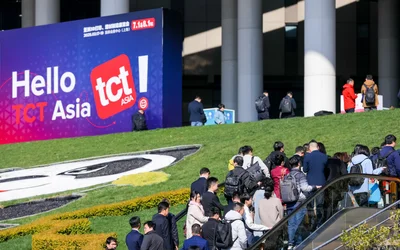
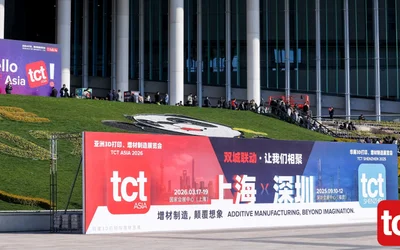
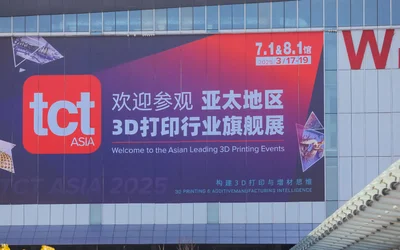
This article discusses what attendees can expect from TCT Asia 2026, including its conference format, focus areas, and the experts contributing to industry-specific discussions.
This article discusses the exhibitors, products, and industrial trends defining additive manufacturing across the Asia-Pacific region at TCT Asia 2026.
This article discusses how the Asia-Pacific region is advancing additive manufacturing and the role of TCT Asia as the leading 3D printing and additive manufacturing event in the Asia-Pacific.
Researchers have developed a 3D bioprinter for cancer research that can be folded into a carry-on pack, transported, and easily reassembled for printing inside a biosafety cabinet. The technology can perform rapid and reproducible manufacture of complex tumouroids – 3D cell cultures which resemble tumour tissues – to test potential immunotherapy treatments.
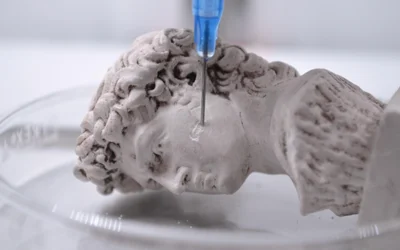
In this episode we talk about how researchers at EPFL have developed a new method of 3D printing bone-like composites using bacteria-infused ink. The process involves the use of hydrogel as a printing medium that provides a scaffold for bacterial growth, which produces calcium carbonate crystals that mimic the properties of bone.
Overhangs represent one of the biggest challenges for FDM 3D printers. Here we look at how to safely print them using support structures, bridging, and other techniques.
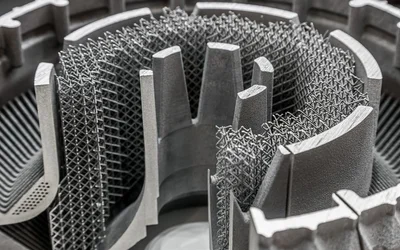
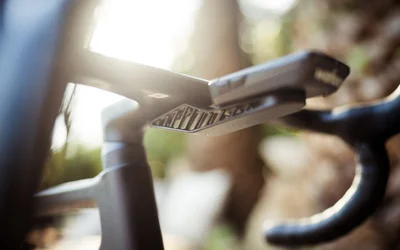
To be able to fix the bike computer to the bike, a corresponding mount is necessary. The bike computer mounts currently available on the market are traditionally manufactured by injection molding – showing their limits when it comes to weight, functionality, design and manufacturing.
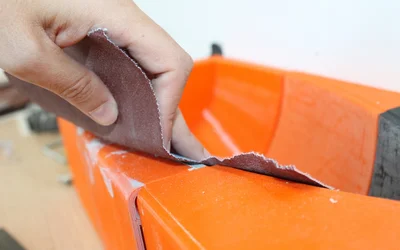
To get the most out of your FDM parts, you’ll need to apply some finishing touches. This can involve support removal, sanding, vapor smoothing, and other steps.
In 3D printing, achieving consistent and high-quality prints requires more than just a good printer and filament. Calibration and quality control are essential components that can make or break your 3D printing experience.
The beauty of additive manufacturing is in the flexibility these technologies provide in terms of scale, shape, and materials.
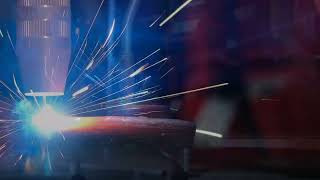
Building know-how on software has allowed Caracol to leverage these skills and adapt them to working with robotics for LFAM on different processes - from its proprietary thermoplastic/composite pellet extrusion Heron AM to introducing Metal with WAAM.
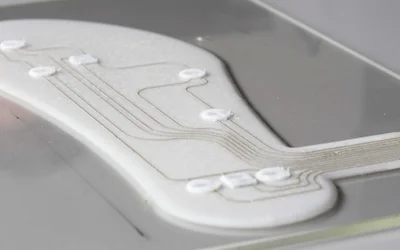
Researchers at ETH Zurich, Empa and EPFL are developing a 3D-printed insole with integrated sensors that allows the pressure of the sole to be measured in the shoe and thus during any activity. This helps athletes or patients to determine performance and therapy progress.
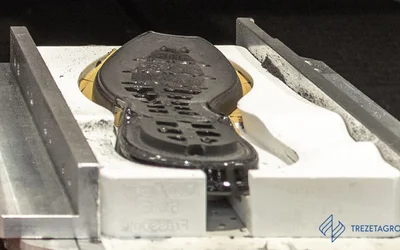
From its Tuscan headquarters, footwear manufacturer Tre Zeta Group creates soles for classic shoes and sneakers using 3D printing centering jigs for its carding process. The team chose the BCN3D Epsilon W50 for its advantageous IDEX technology and material Tough PLA for its top-tier mechanical properties. Our partner CREA3D did an exploration with a camera in tow to see the benefits for themselves!
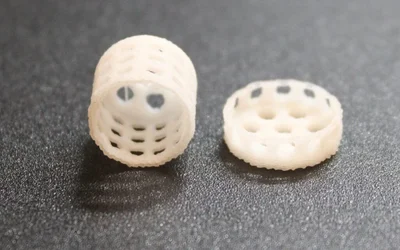
Weill Cornell Medicine investigators have developed a technique to help surgeons reconstruct more natural-looking nipples for patients who have undergone breast reconstruction after mastectomy to treat breast cancer.
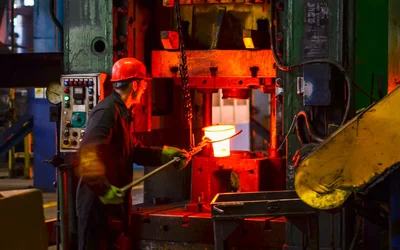
There are countless ways to manipulate metal to create metal parts, from millennia-old techniques like forging and casting to digital processes like additive manufacturing and CNC machining.