Featured
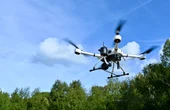
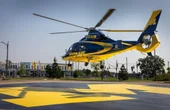
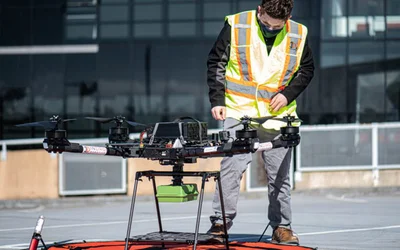
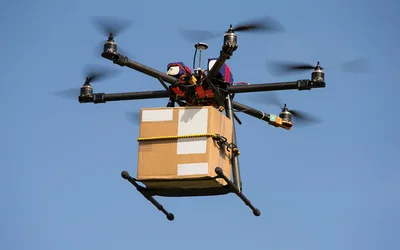
In the future, drones will take off automatically and head to an emergency scene immediately after the emergency call, transmitting initial aerial images to the emergency services control centre – even before the relevant personnel arrive.
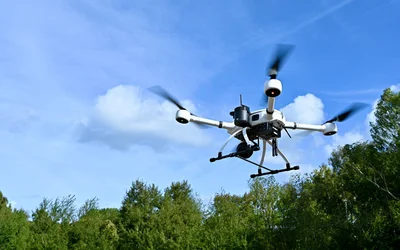
In the future, drones will take off automatically and head to an emergency scene immediately after the emergency call, transmitting initial aerial images to the emergency services control centre – even before the relevant personnel arrive.
In the future, drones will take off automatically and head to an emergency scene immediately after the emergency call, transmitting initial aerial images to the emergency services control centre – even before the relevant personnel arrive.
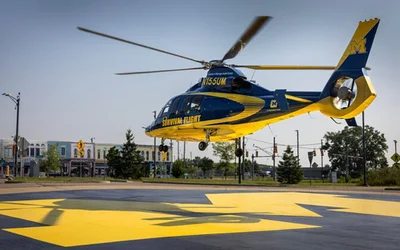
JR Hammond and CAAM advocate the path toward Canada's Advanced Air Mobility Future.
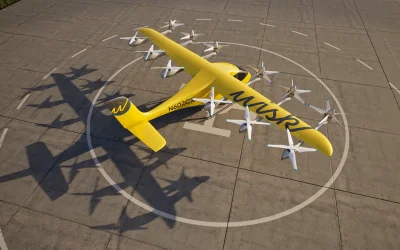
The newly designated airspace links U-M's autonomy testbed with Detroit's innovation district.
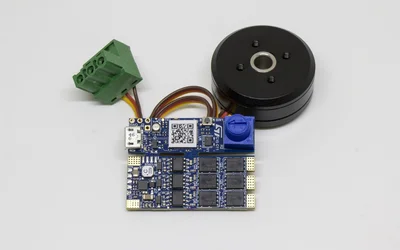
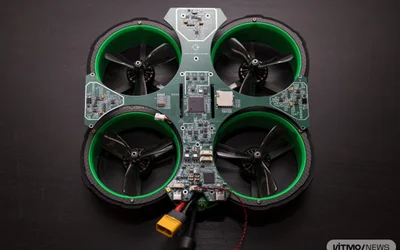
Electronic power stage and control choices for brushless DC motors.
16 minutes read.
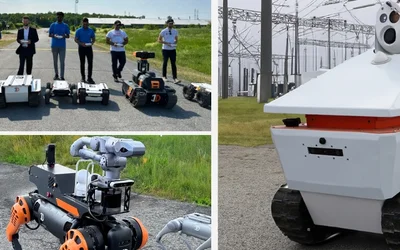

Robotics and Drones
We empower R&D by providing the computational power, ROS packages, payloads & functionality for your unique use case.
14 Posts

Drone Fleet Management Software
Cloud Ground Control is a cloud based command and control solution for oper...
7 Posts

Appliances, Electrical, and Electronics Manufacturing
We produce high-end electric propulsion systems for the most demanding UAV-...
Learn why growing hardware teams slow down as they scale, and how aligned workflows, parallel collaboration, and real-time design visibility restore speed and momentum.
How standardized electronic identification will enable high-volume, complex drone operations.
In this episode, we explore how the mechanics of bird wings are inspiring new approaches to prevent airplanes from stalling and learn how bio-mimetic designs from nature are paving the way for innovations in aviation, enhancing stability and safety for future flights.
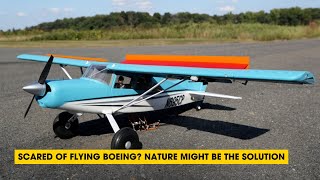
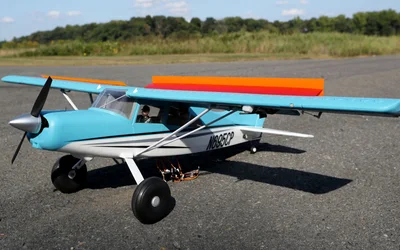
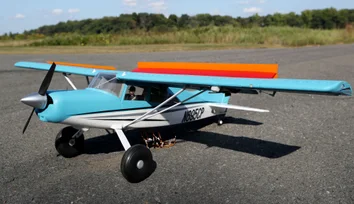
Taking inspiration from bird feathers, Princeton engineers have found that adding rows of flaps to a remote-controlled aircraft’s wings improves flight performance and helps prevent stalling, a condition that can jeopardize a plane’s ability to stay aloft.
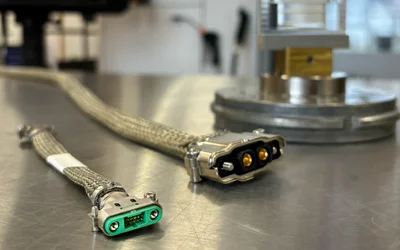
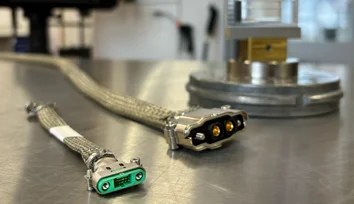
How does connector design influence UAV performance in demanding environments? Harwin explores high-reliability connectors for next-generation UAVs.
An interview with Ryan Smart, VP of Product at Harwin, discussing the challenges of shielding in high-reliability connectors, high-current design trends, and the hybrid power-and-signal connector layouts.
Adding Intelligence to Radar with the BrainChip Real-Time Micro-Doppler Classification
CBC Interview: InDro Robotics CEO Philip Reece on the New Federal Budget & Technology
In the future, drones will take off automatically and head to an emergency scene immediately after the emergency call, transmitting initial aerial images to the emergency services control centre – even before the relevant personnel arrive.

4 minutes read
JR Hammond and CAAM advocate the path toward Canada's Advanced Air Mobility Future.

5 minutes read
The newly designated airspace links U-M's autonomy testbed with Detroit's innovation district.

5 minutes read
The system automatically learns to adapt to unknown disturbances such as gusting winds.
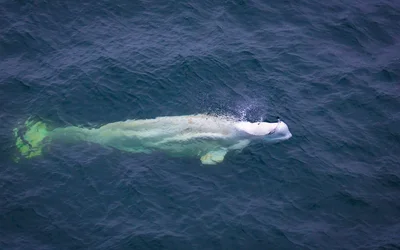
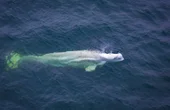
In this article, Towler and Sam Rogers, co-founders of Tandem Ventures, present their experience working with Whale Wise's innovative use of customized drones for scientific research.
MIT engineers developed an insect-sized jumping robot that can traverse challenging terrains and carry heavy payloads.
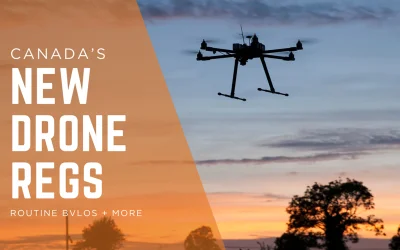
What the new drone regulations mean for you and your drone operations.
5 minutes read
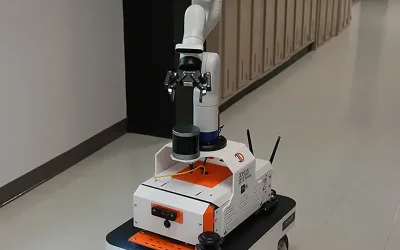
Robots and drones for the purpose of research and development.
4 minutes read
VOSTOK, a local navigation system for autonomous systems, has been unveiled at ITMO. Useful in areas with poor or non-existent GPS signal, the technology can be applied in autonomous vehicles, unmanned aircraft employed on icebreakers along the Northern Sea Route, or drones delivering groceries.

4 minutes read
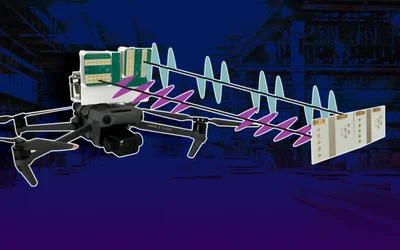
A new low-power system using radio frequency waves takes a major step toward autonomous, indoor drone navigation.
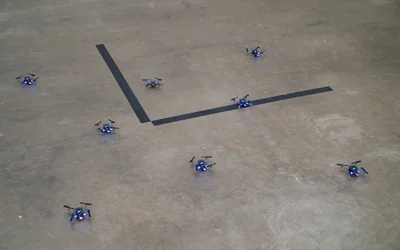
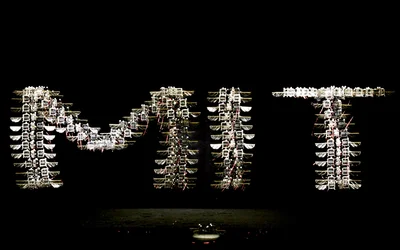
New research could improve the safety of drone shows, warehouse robots, and self-driving cars.
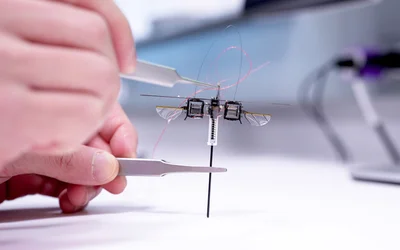
With a new design, the bug-sized bot was able to fly 100 times longer than prior versions.
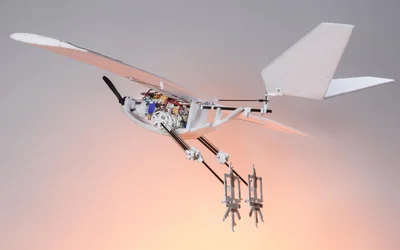
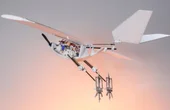
EPFL researchers have built a drone that can walk, hop, and jump into flight with the aid of birdlike legs, greatly expanding the range of potential environments accessible to unmanned aerial vehicles.

3 minutes read
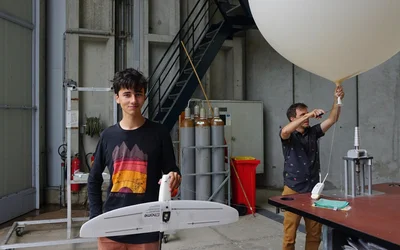
Some 80% of weather radiosondes – remote measurement instruments containing plastic, batteries and electronic parts – end up lost in nature after one flight. An EPFL student is set to change that with a new, ultra-lightweight “glidersonde” that can automatically return to where it was launched.
4 minutes read
In this episode, we explore how the mechanics of bird wings are inspiring new approaches to prevent airplanes from stalling and learn how bio-mimetic designs from nature are paving the way for innovations in aviation, enhancing stability and safety for future flights.

16 minutes read