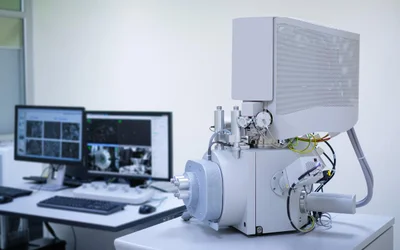
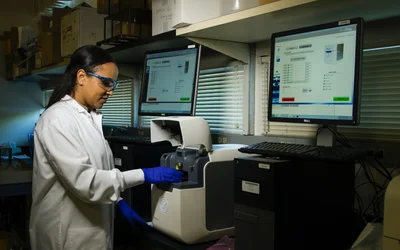
This article delves into the fundamental principles of SEM, various imaging modes and techniques, sample preparation methods, and the applications of SEM in different fields.
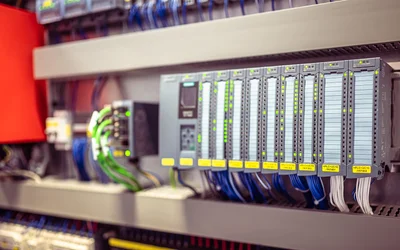
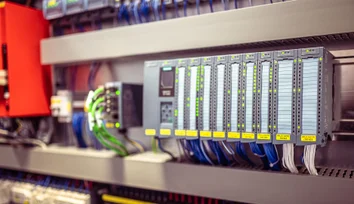
Understanding and improving scan time is vital for your PLC so that you can be sure it’s operating efficiently and effectively. Scan time in this context refers to the time it takes your PLC to assess and process all incoming and outgoing data.
In the ever-evolving landscape of technology and innovation, businesses are constantly seeking ways to stay ahead of the curve, optimize processes, and drive innovation. One powerful approach gaining widespread recognition is the adoption of open-source technology platforms – and for good reason.
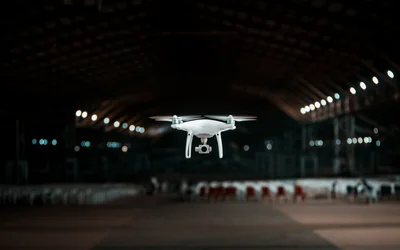
Flightmare is an open-source simulator for quadrotors that moves away from rigid paradigms and proposes a flexible modular structure that empowers the users or automated algorithms to fine-tune the simulator to the task at hand.
The student article explains an artificial intelligence-based system to detect human body patterns and movements for multiple targets in real-time to recognize their behaviors and classify them as either normal or abnormal.
This student article explains a dynamic model developed based on modified Hill’s model using MATLAB, which can predict biomethane production with time series.
This student article shows the synergetic effects of a furfuryl polymer coating and subsequent calcination leading to improved electrochemical performance of nickel-rich NMC622.
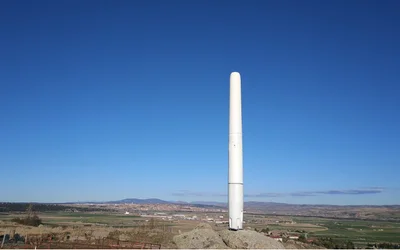
This student article explains the concept of Bladeless Wind Turbine wind power plants that can work optimally in areas with low wind speeds (3 to 8 m/s). We explore how the design can be optimized further to work at places with even lower wind availability.
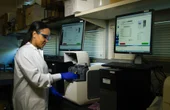
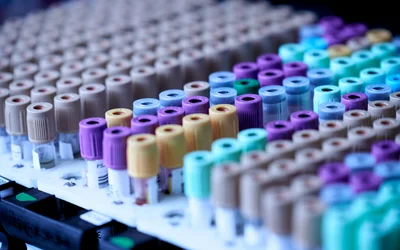
This student article proposes rapid protocols for clinical diagnosis of COVID-19 through the automatic analysis of hematological parameters using Evolutionary Computing and Machine Learning. These hematological parameters are obtained from blood tests common in clinical practice.
A student article showcasing an Android application called DOT-HAZMAT based on Machine Learning and Computer Vision that locates and categorizes HAZMAT placards in perilous rescue operations.

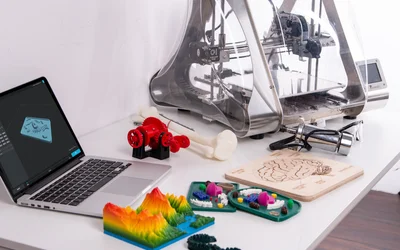
The current advancement in multi-material additive manufacturing technologies has provided unique opportunities to create 3D printed structures with not only complex geometries at several length scales, but arbitrary deposition of multiple materials (i.e., soft or hard) in 3D space.
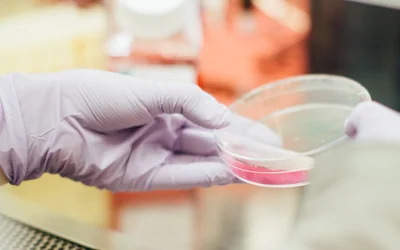
Taking advantage of low-cost, high-resolution desktop resin 3D printers combined with PDMS soft-lithography we have developed an optimised microfabrication pipeline capable of generating a wide variety of customisable devices for cell culture and tissue engineering in an easy, fast reproducible way
The inertial navigation system is a basic component of obtaining a continuous navigation solution in various applications. The system suffers from a growing error over time. This article proposes a machine-learning-based adaptive neuro-fuzzy inference system to improve navigation performance.
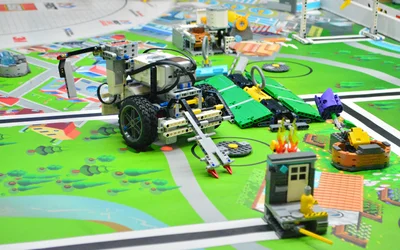
Food processing techniques require the removal of moisture from the crop without destroying its nutritional qualities. The article proposes a dehydrator/oven whose temperature and humidity can be perfectly controlled and its generated heat is evenly distributed in its drying chamber.
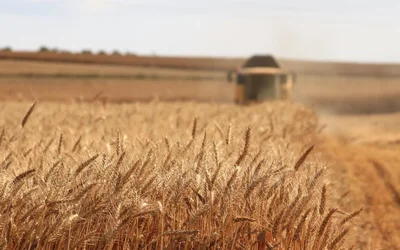

As the University Technology Exposure Program 2022 enters its final month, we continue to receive submissions spanning different domains of technology. Submissions published in June included articles related to healthcare, electric vehicles, data analytics, smart cities, and smart manufacturing.
The study is about the transformation of the manual assembly process of medical test kits by integrating the learning factory and digital twin. Lean manufacturing principles and lean thinking are introduced to revamp value-added activities; reduce waste and level-load human utilization.
A student write-up that tries to compare the environmental impact and complexity of manufacturing automobile parts through conventional methods and modern distributed manufacturing techniques like 3D printing.