Featured
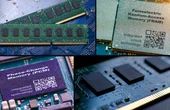
Compare memory technologies like SRAM, DRAM, Flash, MRAM, FeRAM, ReRAM, PCM, and EEPROM to understand their architectures and ideal engineering applications.
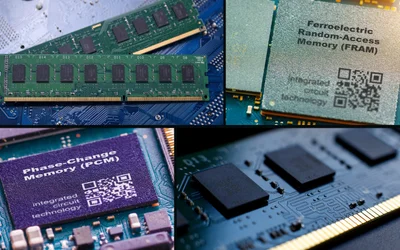
Compare memory technologies like SRAM, DRAM, Flash, MRAM, FeRAM, ReRAM, PCM, and EEPROM to understand their architectures and ideal engineering applications.
Compare memory technologies like SRAM, DRAM, Flash, MRAM, FeRAM, ReRAM, PCM, and EEPROM to understand their architectures and ideal engineering applications.
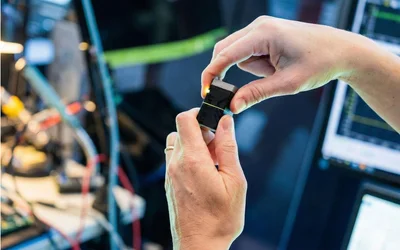
A compact, battery-powered sensing platform that wirelessly brings environmental and equipment-condition data from locations where traditional monitoring is difficult or impossible.
Fourth-year veterinary students matched – and experienced clinicians outperformed – an AI-enabled digital stethoscope in diagnosing heart murmurs and arrhythmias in cats and dogs, according to a new study from North Carolina State University.
Artificial intelligence (AI) is a wide-ranging tool that enables people to rethink how we integrate information, analyze data, and use the resulting insights to improve decision making
15 minutes read.
20 minutes read.
13 minutes read.
17 minutes read.
25 minutes read.
11 minutes read.


Entertainment
The Next Byte Podcast is hosted by two young engineers - Daniel and Farbod - who select the most interesting tech/engineering cont...
165 Posts

High Tech
High Tech Campus Eindhoven is Europe's smartest square km and has the ultim...
49 Posts

University for science and technology
Freedom and individual responsibility, entrepreneurial spirit and open-min...
43 Posts
From leading experts at the CDFAM Computational Design Symposium
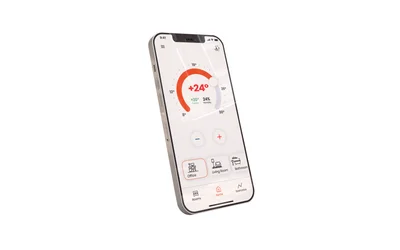
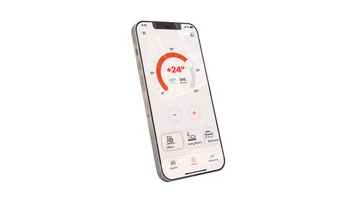
eCozy 2.0 system addresses the limitations of traditional thermostats for water heating radiators, delivering efficiency, convenience and sustainability benefits to households
Protect the cloud by securing the edge with hardware-based security, TPMs, HSMs, and resilient edge computing architectures.
Explore the rise of intelligent EV hardware and how real-time processing, ML acceleration, and hardware virtualization are enabling safer, smarter, software-defined electric vehicles.
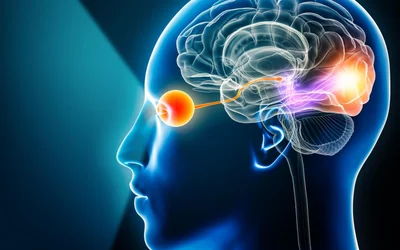
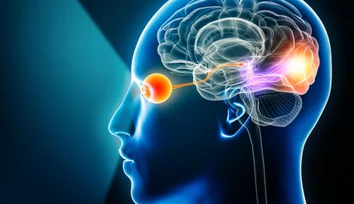
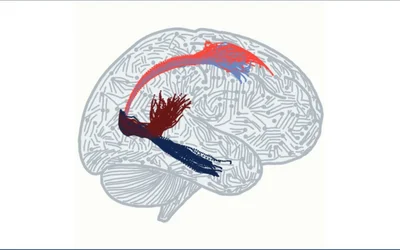
EPFL researchers are developing AI models that could one day enable vision prosthetics able to restore meaningful, object-level sight for the blind.
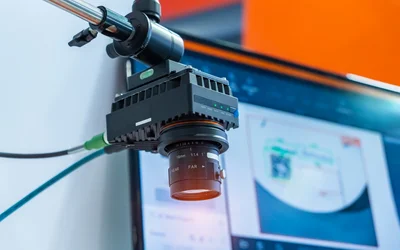
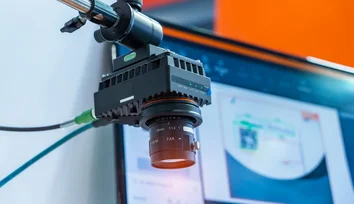
A deep-dive listicle guiding controls, automation, and quality engineers toward the best vision systems for manufacturing applications in 2026.
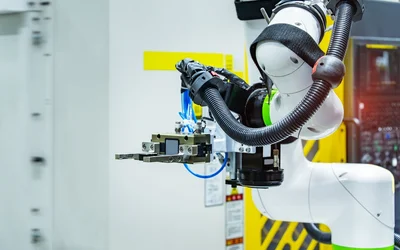
Understanding industrial vision systems by examining their components, imaging fundamentals, AI integration since 2020, and how to choose the right solution for every application.
The AI-powered tool could inform the design of better sensors and cameras for robots or autonomous vehicles.
Compare memory technologies like SRAM, DRAM, Flash, MRAM, FeRAM, ReRAM, PCM, and EEPROM to understand their architectures and ideal engineering applications.
A compact, battery-powered sensing platform that wirelessly brings environmental and equipment-condition data from locations where traditional monitoring is difficult or impossible.
Fourth-year veterinary students matched – and experienced clinicians outperformed – an AI-enabled digital stethoscope in diagnosing heart murmurs and arrhythmias in cats and dogs, according to a new study from North Carolina State University.
Discover five practical ways AI strengthens cybersecurity through threat detection, risk prioritization, automation, and adaptive defense.
Discover how Parasoft helps engineering teams unify verification, automate compliance reporting, and accelerate testing using the tools they already trust.
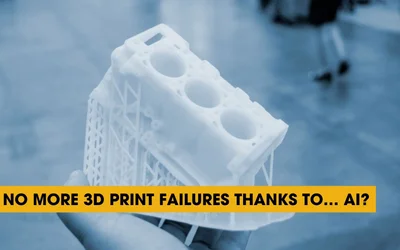
In this episode, we explore how researchers have developed an AI system that can watch a 3D print as it's being made, detect mistakes, and automatically correct them before the print fails

12 minutes read
In this episode, Oscar Lovera, COO International at Xometry, explains how AI and digital marketplaces are simplifying custom manufacturing, making it as easy as booking travel online while connecting engineers with manufacturers worldwide.
41 minutes read
Protect the cloud by securing the edge with hardware-based security, TPMs, HSMs, and resilient edge computing architectures.
An EPFL team has created a new Large Language Model that is structured similarly to a human brain, allowing users more control and moving away from (black box) AI.
The circuitry underlying the remarkable efficiency of the brain is coming into sharper focus.
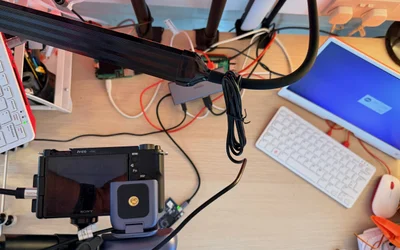
He built an AI agent that watches him work, and documents builds for him. Powered by the Arduino® UNO™ Q. In four hours.

3 minutes read
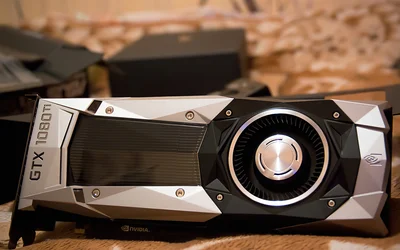
CUDA cores are Nvidia GPUs' core FP32/INT32 processing units, powering parallel computing across HPC, gaming, and graphics rendering tasks.
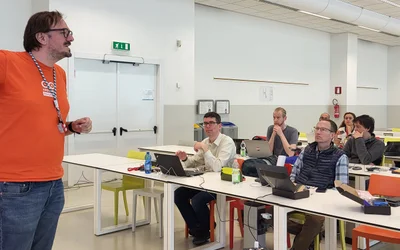
Inside the hands-on EchoGlow workshop, where makers trained and deployed on-device AI on the new Arduino® UNO™ Q at Hackaday Europe, 2026
World2Rules Learns Patterns of Unsafe Aircraft Behavior and Explains Potential Risks Before Disaster Strikes
See how certified GoogleTest helps embedded teams lower training costs, simplify compliance workflows, and accelerate safety-critical software delivery with Parasoft.