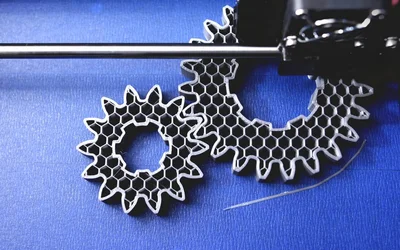
The internal structure of a 3D printed part can be adjusted via 3D printer infill settings, giving users control over variables like part weight and strength, print time, and material usage.
Technical Guides
Latest Posts
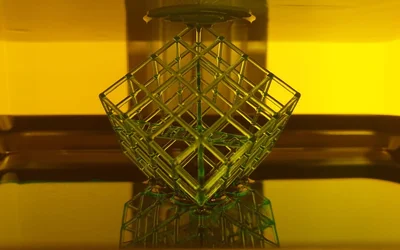
Post-curing is an important step in SLA 3D printing. Knowing how long to cure resin 3D prints and what curing methods to use can help you attain the highest quality parts.

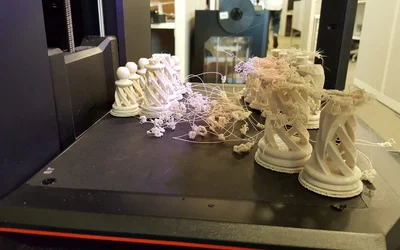
Prints covered in plastic cobwebs? Like many FDM users, you’re probably the victim of 3D printer stringing. Fortunately, stringing can be prevented via printer maintenance and adjustment of slicer settings.

A Comprehensive Guide to These Essential Environments for High-Precision Manufacturing and Research, Highlighting the Applications, Maintenance and Cleaning Practices

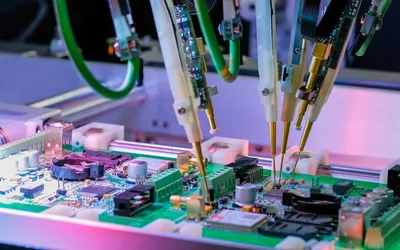
A Comprehensive Introduction to Flying Probe Test, its Essential Components, Advantages, Limitations, and Application Cases

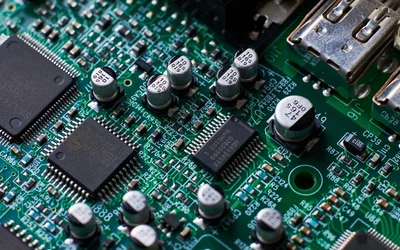
Unveiling the Duel of Digital Design - A Comprehensive Exploration of History, Syntax, and Applications of the two popular hardware description languages

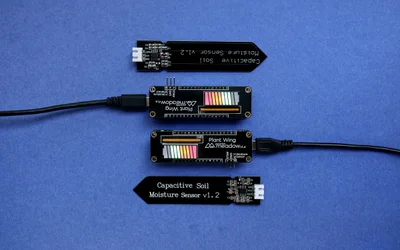
Sensors are ubiquitous in our modern world, playing pivotal roles in numerous sectors. This article delves into their fundamental principles, diverse types, and their significant impact across industries.

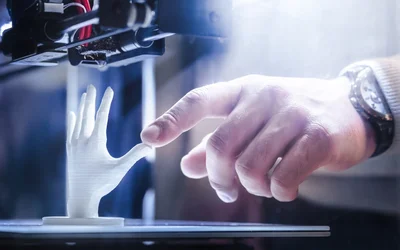
What is 3D printing? This article goes over the basics of 3D printing, otherwise known as additive manufacturing, covering its engineering principles and applications.

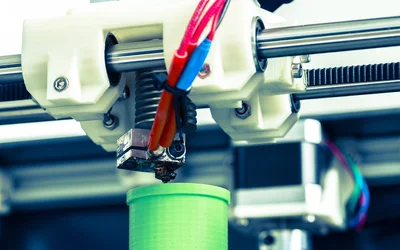
Thermal runaway is a serious issue that can occur when using an FDM 3D printer. If unaddressed, it can lead to damaged 3D printer components or even fire. Here’s how to recognize thermal runaway, prevent it, and, if needed, fix it.

This comprehensive article dives deep into the world of robotics, exploring the history, types, engineering components, applications, and future trends of robots, offering readers an in-depth understanding of how these remarkable machines work and shape our lives.

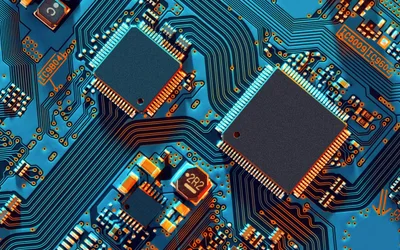
This article provides a detailed guide to System in Package technology, its advantages and challenges, key components, design, and manufacturing process.

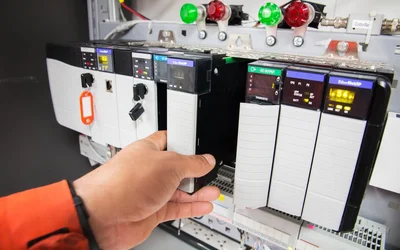
PID tuning represents a key aspect of control systems, influencing the performance and stability of diverse industries' operations. By adjusting the proportional, integral, and derivative constants, a PID controller minimizes error and ensures the control variable aligns with dynamic system changes.

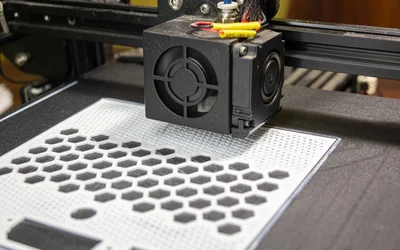
Here’s what to do if you notice clicking noises, under-extrusion, or other print quality issues caused by extruder skipping on the Ender 3 by Creality.
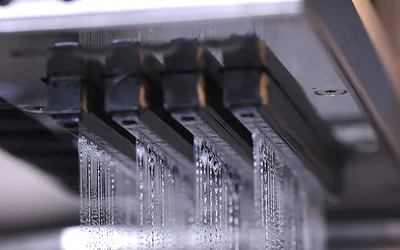
Binder jetting is accurate, fast, and more affordable than powder bed fusion processes like DMLS. Here we examine the process, its advantages and disadvantages, and its most promising applications.
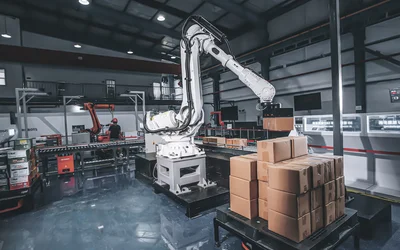
Delineating cobots and industrial robots, this analysis drives deep into their respective roles and divergent characteristics that make each a vital cog in the machinery of Industry 4.0.
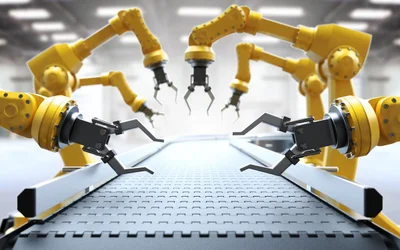
This guide delves into the basics and components of PID control, implementation, application examples, impacts, challenges, and solutions aiming to provide readers with a thorough understanding of this integral concept.

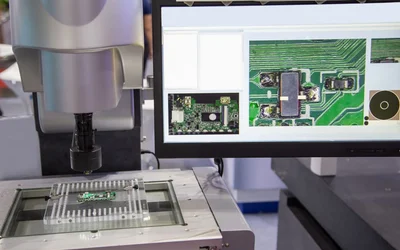
2D and 3D Automated inspection systems are often used for detecting manufacturing errors in fast production lines. Learn how they provide a comprehensive and efficient solution for quality assurance.
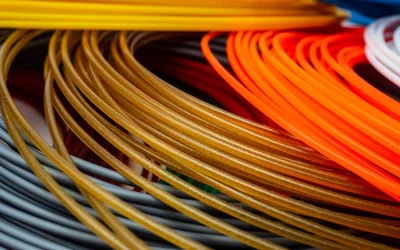
The most popular 3D printing filament, PLA is known for many things, like its good printability and ability to withstand warping. When it comes to temperature resistance, however, the material has its limitations. In this article, we're diving into PLA's thermal properties and comparing them to other common filaments.

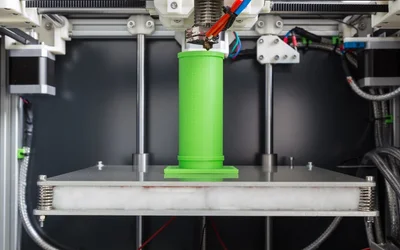
3D printing elephant foot is a common issue that most 3D printer users will have experienced. Typically caused by excessive heat or poor nozzle calibration, the issue can be solved in several ways.
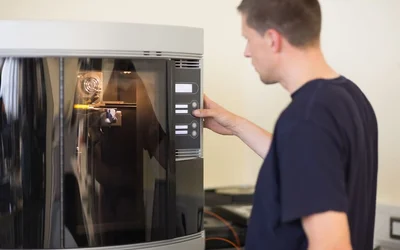
In this article, we look at the importance of using a 3D printer air filter to remove potentially harmful fumes from the print environment, as well as the different kinds of filter available and how to ensure proper maintenance.
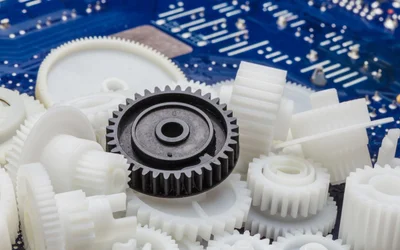
This guide delves into DFM's principles, implementation process, impacts, and challenges, aiming to provide readers with a comprehensive understanding of this integral concept.
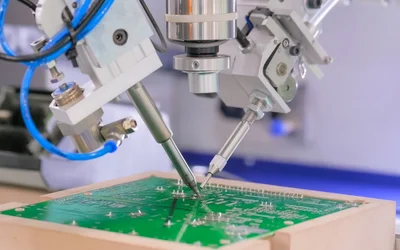
Soldering Unveiled: Exploring Wave and Reflow Techniques for Engineering Graduates. Delve into the Depths of PCB Assembly, Component Compatibility, Production Efficiency, and Quality Assurance. Gain Profound Insights into Wave Soldering Machines, Reflow Ovens, and the Art of Soldering. Empower Your Engineering Journey with this In-Depth Comparative Analysis of Two Key Soldering Methods.
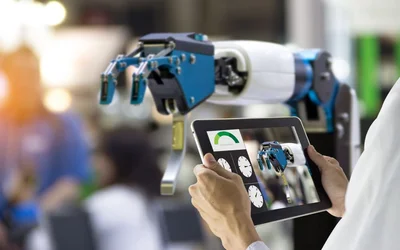
HMI is a dashboard or user interface that play as the communication bridge between humans and systems, machines, or devices. Read on to know the history, characteristics, advantages, and applications of HMI in different industries.

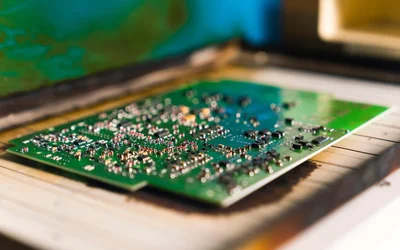
This article provides a detailed overview of the solder reflow process, types of reflow ovens, temperature profiles, solder paste composition and selection, reflow process potential challenges, solutions, inspection, and quality control techniques.


The Creality Ender 3 Pro offers good value for money but lacks an automatic bed leveling feature. Fortunately, Ender 3 Pro bed leveling can be painless with the right tools and preparation.