Selecting the right filament settings, print temperature, and flow rate can help solve the common problem of over extrusion in FDM 3D printing.
Technical Guides
Latest Posts
Fused filament fabrication (FFF) and fused deposition modeling (FDM) both refer to a type of extrusion 3D printing. So why the two terms?
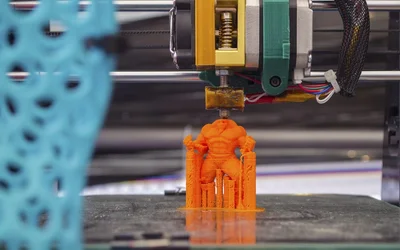
Ultimaker’s Cura slicer software gives you many options for generating supports. Here are some of the top Cura support settings explained and tips on troubleshooting support problems.
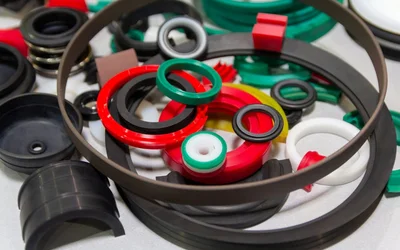
Is it possible to 3D print rubber? In a strict sense, no. But with a huge number of flexible filaments and flexible resins out there, it is possible to make pliable, rubber-like parts suitable for a range of applications.
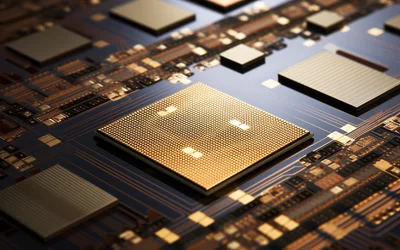
This article offers an in-depth view of PVD coating in semiconductors, their underlying technology, materials, and applications crucial in today's rapidly evolving technological landscape.

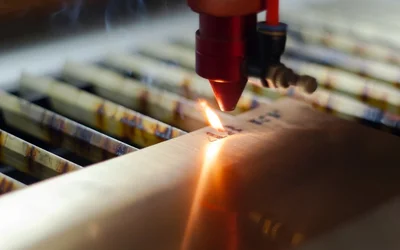
Understanding the Intricacies of Plasma Etching Systems, Mechanisms, Process types, Equipment and Applications of the Technology, its Impacts on the Environment, and Essential Safety Precautions for Safe and Productive Utilization of the Etching Technique.
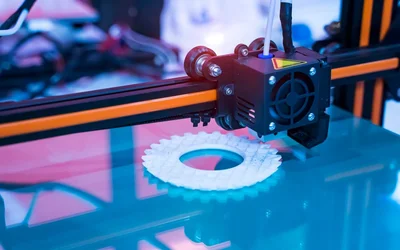
In this article, we examine the causes of 3D printing adhesion problems and how to ensure that PLA prints stick to the print bed.
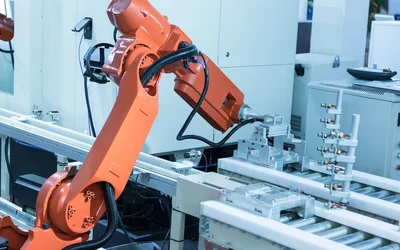
Robotic actuators stand at the forefront of technological innovation, transforming energy into motion to breathe life into robots, enhancing their capabilities in an ever-evolving landscape of industrial automation.
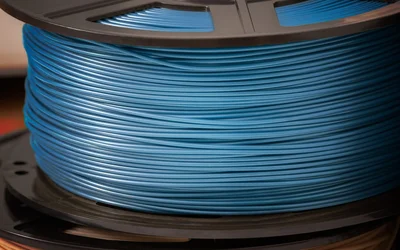
With its low melting point and resistance to warping, PLA is one of the easiest materials to print. However, users should still optimize the PLA bed temperature and nozzle temperature to obtain the best results.
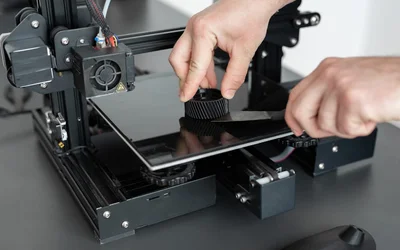
Here are some reliable tips to follow if your 3D print simply isn't coming off the print bed and how to prevent the issue in future.
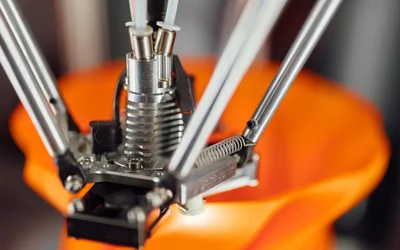
Z offset is an important 3D printer setting that allows users to perfect their first layer. It can be adjusted in slicer software or by inputting G-code commands.
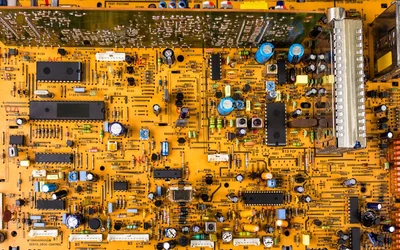
From Blueprint to Functionality: Navigating the Intricacies of Circuit Boards – Manufacturing, Mechanics, and Troubleshooting Demystified

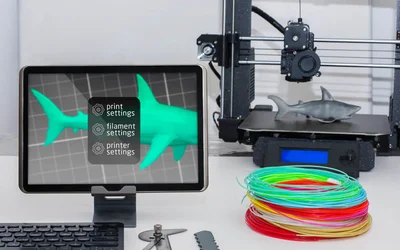
Thanks to its durability, chemical resistance, and low shrinkage, PETG filament is fast gaining popularity. However, it can be difficult to print without careful preparation and adjustment of 3D printer settings.
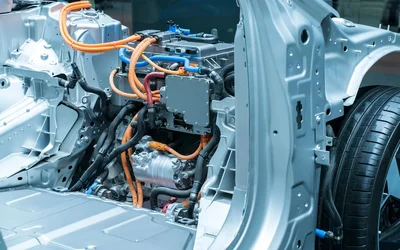
Born in the ‘80s, the CAN bus helps in carrying reliable electronic communication within your vehicles. This article delves into the basic principles, architecture, protocols, applications, and limitations of the CAN bus.
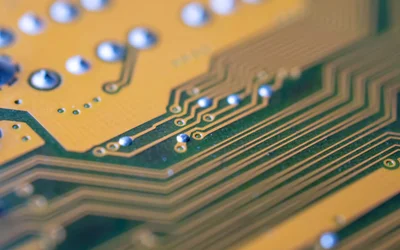
This article provides a detailed understanding of stripline vs microstrip, their structure, working principle, advantages and disadvantages, comparative analysis, and choosing the right one for your application.
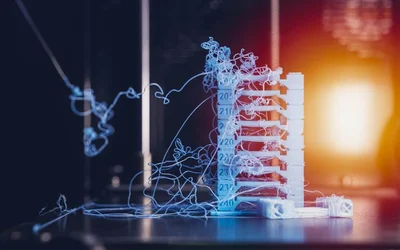
As an affordable 3D printing filament with excellent mechanical properties, PETG is a must-have material for FDM users. But it is notorious for oozing and stringing during printing.
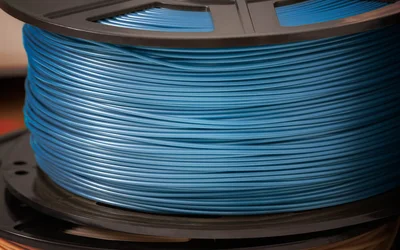
PLA is an affordable and reliable workhorse filament for FDM 3D printing. But some material developers claim to have made PLA filament better by mixing it with additives, creating an enhanced variant of the material called PLA+.
Nozzle diameter and layer height can both greatly affect the resolution, printing time, and appearance of 3D printed parts. They are also connected to each other in an important way.
One of the most common issues with FDM 3D printing is under-extrusion, which manifests itself as thin or missing layers or visible holes in the structure of the part.
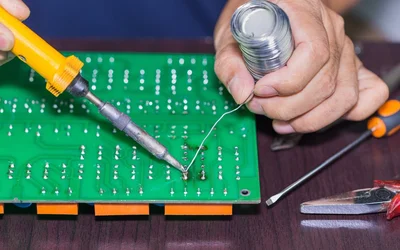
Unraveling the Soldering Conundrum: A Thorough Analysis of Lead and Lead-Free Solder, Their Effects on Electronics Manufacturing, Health, the Environment, and Practical Insights for Informed Decision-Making
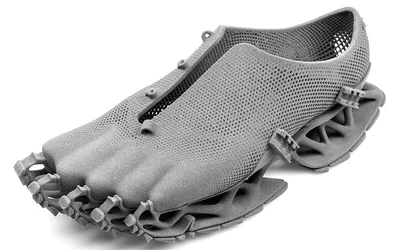
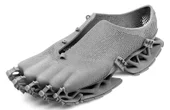
Thermoplastic Elastomer (TPE) offers a unique balance of flexibility and durability in 3D printing. Utilizing Selective Laser Sintering, it's ideal for various industrial applications, from footwear to machinery dampening.
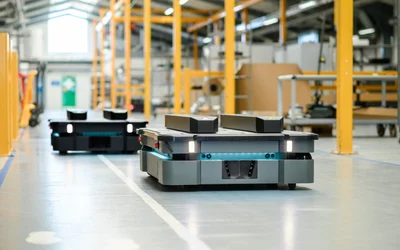
This article offers an in-depth view of AMR robots, their underlying technology, and applications crucial in today's rapidly evolving technological landscape.

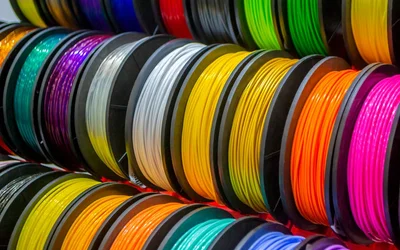
ABS is a low-cost 3D printing filament with excellent impact and wear resistance. However, the ideal ABS print temperature is quite high, and the material also requires a heated bed to prevent warping.
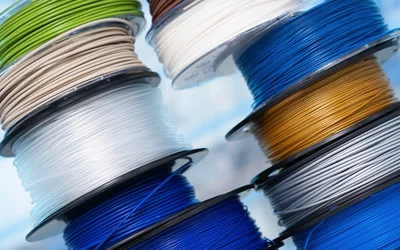
ABS is one of the most widely used thermoplastics in FDM 3D printing. Here we look at how to navigate ABS 3D printing in terms of slicer settings, post-processing, and more.
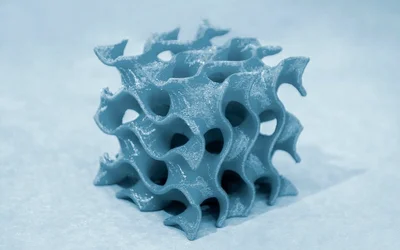
Known for its continuous 3D structure, the gyroid infill pattern is among the best for its strength-to-density ratio. The infill pattern is also highly rated for print speed. Let’s take a look at why that is.