Featured
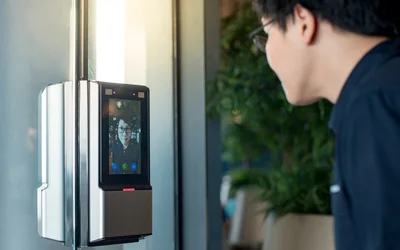
Article #5 Electronics Innovation Series. IoT security is a shared responsibility between chip manufacturers, hardware designers, and the consumer.
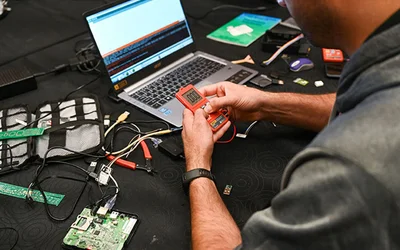
Article #5 Electronics Innovation Series. IoT security is a shared responsibility between chip manufacturers, hardware designers, and the consumer.
Article #5 Electronics Innovation Series. IoT security is a shared responsibility between chip manufacturers, hardware designers, and the consumer.
For the length of human history, technology has played an important role in preventing theft. Before car keys, Henry Ford had to chain his car to a lamppost to avoid anyone with the strength to turn a physical crank from stealing it.
Bringing the IoT community together around LoRaWAN® technology
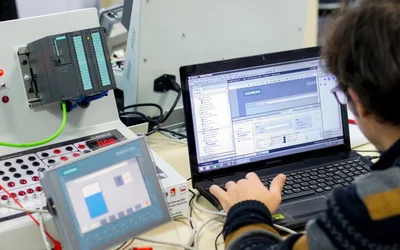
This article is a practical PLC programming guide covering the five IEC 61131-3 languages, the scan cycle that governs how your code actually runs, ladder and structured text examples, and the mistakes that cost engineers the most commissioning time.
23 minutes read.
18 minutes read.
18 minutes read.
15 minutes read.
13 minutes read.
17 minutes read.

Semiconductors
Nordic Semiconductor is a fabless semiconductor company specializing in wireless technology that powers the IoT.
181 Posts

High Tech
High Tech Campus Eindhoven is Europe's smartest square km and has the ultim...
49 Posts

University for science and technology
Freedom and individual responsibility, entrepreneurial spirit and open-min...
43 Posts

Higher Education
Work together. Create smart machines. Serve society. University of Michiga...
40 Posts
embedded world North America is the premier trade show and conference dedicated to the community of innovators and developers in the embedded tech ecosystem.
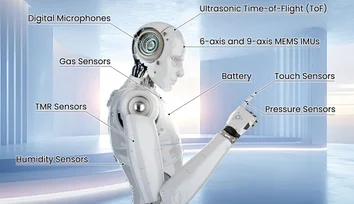
How Embedded Systems, AI, and Human-Centered Design Are Driving the Future of Robotics
Learn why teams still lose half their development time to test and fix, and what changes when you get real visibility into the target.
Mario Mauerer, maxon's Global Business Development Manager, Robotics, discusses what it takes for robotic deployments to be successful in complex real-world environments.
Join Prof. Fei Chen as he explores advanced bimanual manipulation and teleoperation techniques shaping the future of intelligent human-like robots in this expert-led robotics session.
'Link-bots' can move, explore, cooperate without sensing or computation
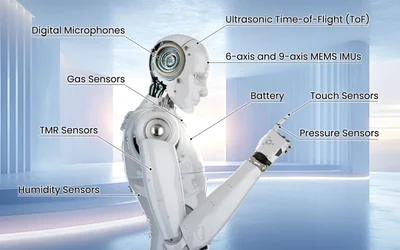
This article is part 4 of a 4-part article series on TDK's advanced robotics.
Article #5 Electronics Innovation Series. IoT security is a shared responsibility between chip manufacturers, hardware designers, and the consumer.
For the length of human history, technology has played an important role in preventing theft. Before car keys, Henry Ford had to chain his car to a lamppost to avoid anyone with the strength to turn a physical crank from stealing it.

4 minutes read
Bringing the IoT community together around LoRaWAN® technology
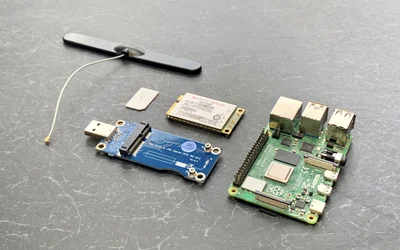
Adding cellular connectivity to your Raspberry Pi can be done in a few simple steps.

6 minutes read
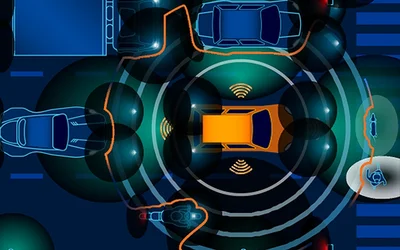
Someday autonomous vehicles and human-driven vehicles will share the road. How to manage the rise of AVs is the topic of a Carnegie Mellon policy brief.

3 minutes read
Article #1 of the "Why Edge?" Series. Edge AI presents a multitude of benefits for security across industry.
The collaborative nature of open source projects brings together people across the world to work towards improving and monitoring our natural resources.
If devices lasted longer and were easier to fix, they could provide many years of good service before recycling. That saves precious materials and the energy needed to manufacture new products.
4 minutes read
Computer vision brings an 80% reduction in illegal dumping. IoT surveillance company iDefigo partners with Matroid to apply AI-based computer vision for illegal trash dumping detection.

2 minutes read
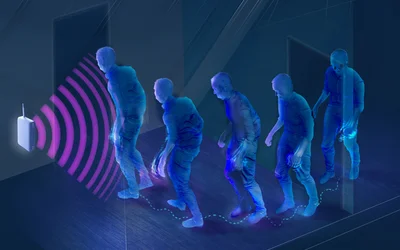
By continuously monitoring a patient’s gait speed, the system can assess the condition’s severity between visits to the doctor’s office.
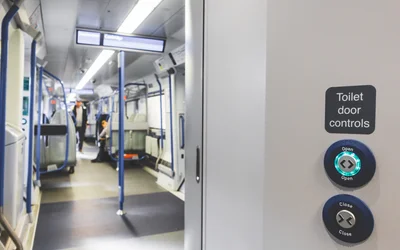
Into the future, more transport companies may start to integrate wastewater monitoring systems to manage these key facilities effectively. But this opportunity isn’t only limited to transport – any water monitoring capabilities can help reduce waste, and save energy, time and resources.
3 minutes read
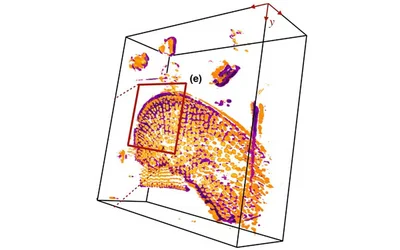
Neural field network doesn’t need to be trained on other samples
A short guide to understanding the edge neural network design.
Valuable IoT lessons, gained through painful mistakes
3 minutes read
Proven benchmarks provide a structured method for comparing ML/DL products and services.