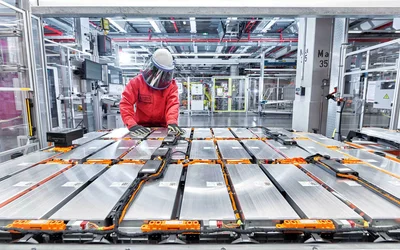
This article explains what is LiFePO4, how lithium iron phosphate batteries work, their safety benefits, cycle life, BMS requirements, applications, and key differences from lead-acid and other lithium-ion chemistries.
One of the goals of building the Mars Rover is to demonstrate SPARK. As an early step, Fabien introduced a new hardware abstraction layer (HAL) on top of the existing HALs that had been developed for the various pieces of hardware that make up the Mars Rover.
Explore the rise of intelligent EV hardware and how real-time processing, ML acceleration, and hardware virtualization are enabling safer, smarter, software-defined electric vehicles.
EBV Elektronik's leaders share how emerging technologies will shape the future All-Electric Society and outline the supply-chain strength and engineering support innovators will rely on to turn long-term electrification ambitions into scalable, production-ready solutions.
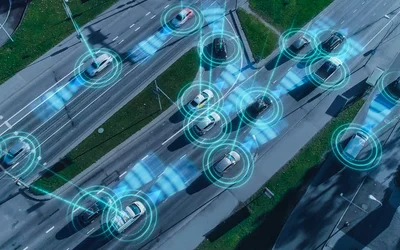
Discover how radar sensors enhance building safety, traffic control, and asset management with reliable vehicle detection solutions for docks, parking, drive-thrus, and toll applications.
Modular high-voltage PDU architectures enable scalable power
distribution using standardized components. This approach
reduces tooling requirements, supports platform reuse, improves
serviceability, and accelerates integration in EV systems.
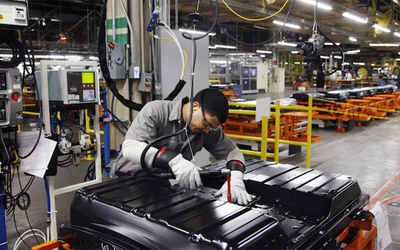
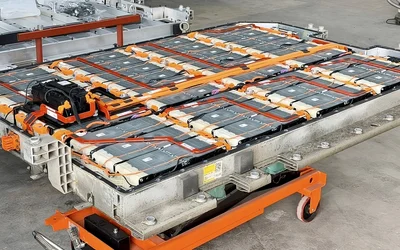
As EV batteries become more powerful and complex, ever more sophisticated battery management systems are needed to ensure the safe, reliable, and cost-efficient operation of electric vehicles.

Up to this point, no attacks had been discovered targeting a car’s LiDAR system—but a major new finding from researchers at the University of Michigan has demonstrated what that might look like.
This article explains the technical requirements of 5G and describes the new semiconductor components that enable Vehicle-to-Everything connectivity in smart cars.
For robots to keep up with the pace of technological innovation, machine learning has become paramount. While robots are already effective at alleviating the manual operation of routine tasks, an intelligent robot should also be able to process their commands with future actions in mind.
Vehicles increasingly contain electronic systems that assist drivers with monitoring, warning, braking, and steering tasks. Semiconductor companies are innovating to increase safety, while reducing weight, size, and complexity.