Featured
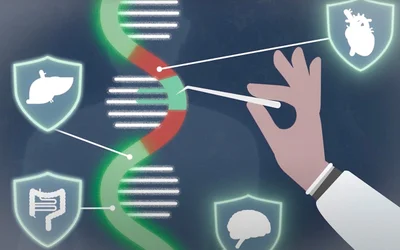
EPFL researchers have developed Systema, a new tool to evaluate how well AI models work when predicting the effects of genetic perturbations.

EPFL researchers have developed Systema, a new tool to evaluate how well AI models work when predicting the effects of genetic perturbations.
EPFL researchers have developed Systema, a new tool to evaluate how well AI models work when predicting the effects of genetic perturbations.
Chris Cooper, collaborators to use AI to design new plastics that can be more easily recycled for a circular economy
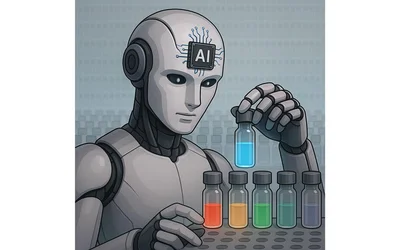
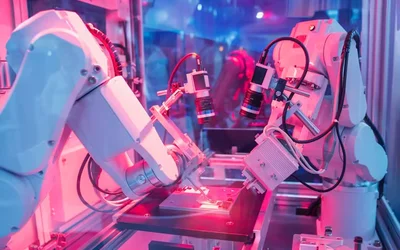
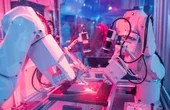
Researchers at NC State University have unveiled Rainbow, a first-of-its-kind multi-robot self-driving laboratory that autonomously discovers high-performance quantum dots – semiconductor nanoparticles critical for next-generation displays, solar cells, LEDs and quantum-engineering technologies.
Artificial intelligence (AI) is a wide-ranging tool that enables people to rethink how we integrate information, analyze data, and use the resulting insights to improve decision making
15 minutes read.
20 minutes read.
13 minutes read.
17 minutes read.
25 minutes read.
11 minutes read.


Entertainment
The Next Byte Podcast is hosted by two young engineers - Daniel and Farbod - who select the most interesting tech/engineering cont...
165 Posts

High Tech
High Tech Campus Eindhoven is Europe's smartest square km and has the ultim...
49 Posts

University for science and technology
Freedom and individual responsibility, entrepreneurial spirit and open-min...
43 Posts
From leading experts at the CDFAM Computational Design Symposium
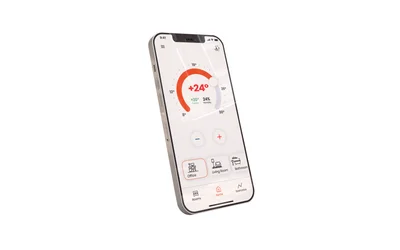
eCozy 2.0 system addresses the limitations of traditional thermostats for water heating radiators, delivering efficiency, convenience and sustainability benefits to households
Protect the cloud by securing the edge with hardware-based security, TPMs, HSMs, and resilient edge computing architectures.
Explore the rise of intelligent EV hardware and how real-time processing, ML acceleration, and hardware virtualization are enabling safer, smarter, software-defined electric vehicles.
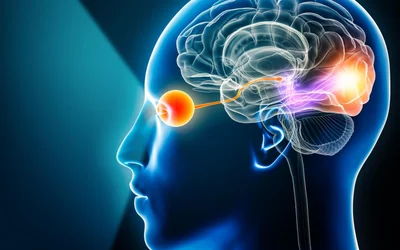
EPFL researchers are developing AI models that could one day enable vision prosthetics able to restore meaningful, object-level sight for the blind.
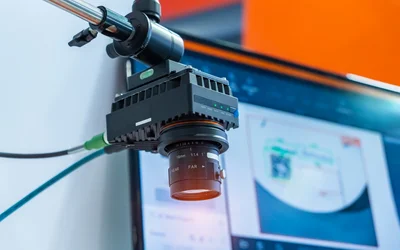
A deep-dive listicle guiding controls, automation, and quality engineers toward the best vision systems for manufacturing applications in 2026.
Understanding industrial vision systems by examining their components, imaging fundamentals, AI integration since 2020, and how to choose the right solution for every application.
The AI-powered tool could inform the design of better sensors and cameras for robots or autonomous vehicles.
EPFL researchers have developed Systema, a new tool to evaluate how well AI models work when predicting the effects of genetic perturbations.

2 minutes read
Chris Cooper, collaborators to use AI to design new plastics that can be more easily recycled for a circular economy

2 minutes read
Researchers at NC State University have unveiled Rainbow, a first-of-its-kind multi-robot self-driving laboratory that autonomously discovers high-performance quantum dots – semiconductor nanoparticles critical for next-generation displays, solar cells, LEDs and quantum-engineering technologies.

3 minutes read
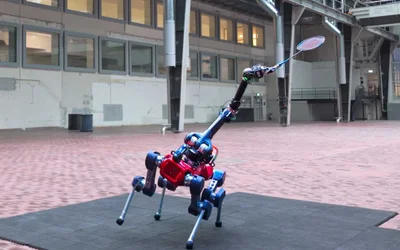
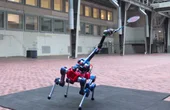
A research team from ETH Zurich has taught the four-legged robot ANYmal to play badminton – including precise arm movements, quick reflexes and nimble footwork.

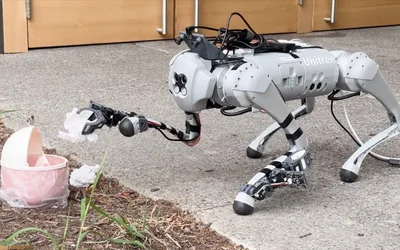
New machine learning framework bridges the embodiment gap between robots and humans and enables quadrupedal robots to perform versatile movements like pouring soda, organizing shoes, and even cleaning up cat litter.

A new machine learning model can save engineers time and computation resources by using AI to quickly and accurately predict simulation results.
3 minutes read
Wearables have enjoyed a meteoric rise in popularity in recent years to the point that one in four of us now wear a smart connected device. Fifteen years ago, it was one in 100 people. This growth in ownership has been driven to an extent by convenience and integration.

4 minutes read
In this article, we'll explore how three edge AI architectures; robotics, system-on-modules (SoMs), and medical devices, are driving this shift, and how MRAM and FeRAM are enabling smarter, more resilient memory at the edge.
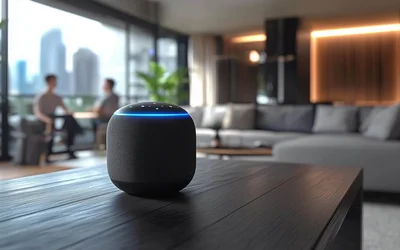
AI has made incredible recent progress, but voice assistants are still plagued by the rigidity and lack of contextual awareness they launched with years ago. For most, voice remains an interface of last resort, reserved for occasionally pulling up directions or playing a song on a smart speaker.

7 minutes read
MIT engineers used a machine-learning model to design nanoparticles that can deliver RNA to cells more efficiently.
Build vs buy in computer vision: discover why no-code platforms like Matroid cut deployment time, trim maintenance, and free engineers for innovation.
High frequency radio waves can wirelessly carry the vast amount of data demanded by emerging technology like virtual reality, but as engineers push into the upper reaches of the radio spectrum, they are hitting walls. Literally.

4 minutes read
The team used two different AI approaches to design novel antibiotics, including one that showed promise against MRSA.
While outdoor navigation using GPS technology is seamlessly integrated into everyday life, effective indoor navigation still presents a challenge. GPS signals are typically weaker or even non-existent inside large buildings, shopping malls, hospitals, airports, and industrial complexes.
3 minutes read
Join industry leaders to discover the latest in Edge, IoT, LoRaWAN, Cellular IoT, AI at the edge, and energy harvesting.