
Unsupervised learning is a machine learning approach that finds patterns, structure, or useful representations in unlabeled data. It groups similar observations, compresses high-dimensional features, detects outliers, discovers item relationships, and supports modern representation learning.
Technical Guides
Latest Posts

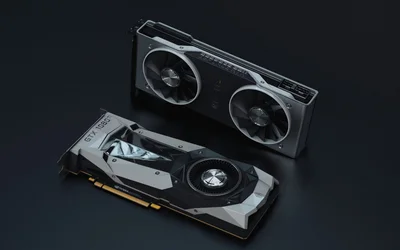
Nvidia’s CUDA cores are specialized processing units within Nvidia graphics cards designed for handling complex parallel computations efficiently, making them pivotal in high-performance computing, gaming, and various graphics rendering applications.


GPUs excel in parallel processing for graphics and AI training with scalability, while NPUs focus on low-latency AI inference on edge devices, enhancing privacy by processing data locally. Together, they complement each other in addressing different stages of AI workloads efficiently.

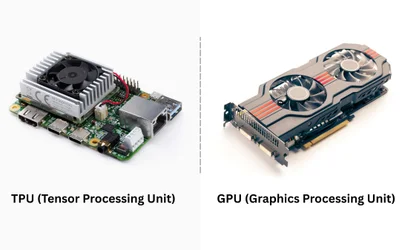
This article explores TPU vs GPU differences in architecture, performance, energy efficiency, cost, and practical implementation, helping engineers and designers choose the right accelerator for AI workloads today!
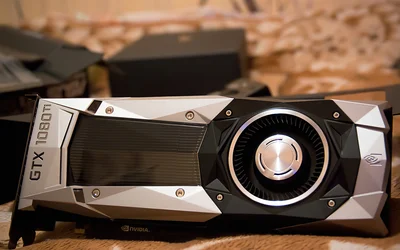
CUDA cores are Nvidia GPUs' core FP32/INT32 processing units, powering parallel computing across HPC, gaming, and graphics rendering tasks.

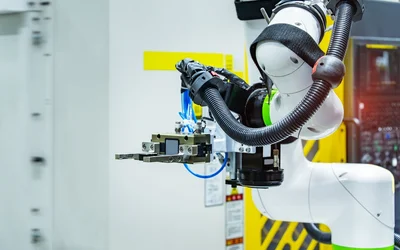
A deep-dive listicle guiding controls, automation, and quality engineers toward the best vision systems for manufacturing applications in 2026.
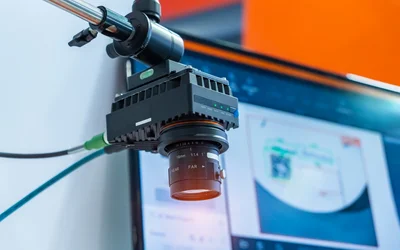
Understanding industrial vision systems by examining their components, imaging fundamentals, AI integration since 2020, and how to choose the right solution for every application.

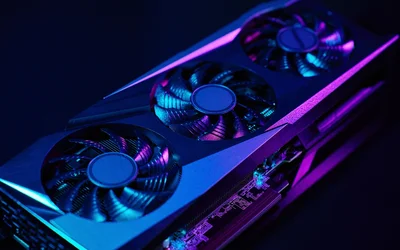
A detailed engineering reference on performance, signaling, and power differences in current graphics memory standards.


Co-packaged optics integrates photonic engines directly with switch ASICs and AI accelerators, cutting power draw and latency at the board level. This article explains how CPO works, how it compares to pluggable and near-packaged optics, and what its benefits and challenges are.


Explore IoT security solutions with insights into the threat landscape, secure architectures, and best practices for engineers building resilient connected systems.


Practical and architectural insights into IoT gateways, including edge versus cloud placement, protocol translation, data aggregation, hardware designs, and deployment patterns for industrial IoT.

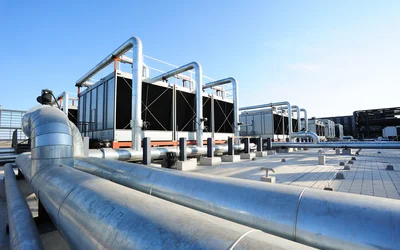
Designing efficient data center cooling systems requires a deep understanding of thermodynamics, energy metrics, airflow management, and emerging liquid cooling technologies. This article explains these concepts and provides practical guidance on implementing sustainable cooling solutions

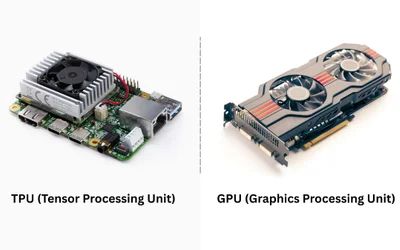
This article explores TPU vs GPU differences in architecture, performance, energy efficiency, cost, and practical implementation, helping engineers and designers choose the right accelerator for AI workloads today!
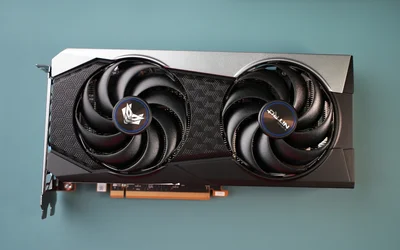
Master what is GDDR6 memory with our comprehensive engineering guide covering architecture, performance formulas, design techniques and applications. Learn how dual channel architecture and 16 Gb/s per pin data rates empower GPUs, FPGAs and AI accelerators.
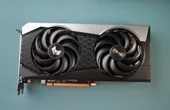
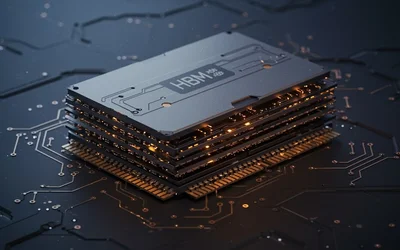
This technical article explains, what is HBM, detailing its 3D-stacked architecture, the critical role of advanced packaging, and its application in modern GPUs, AI accelerators, and embedded systems.

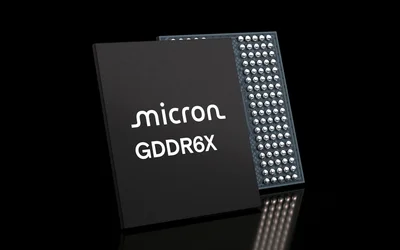
Discover key differences in GDDR6 vs GDDR6X memory: compare bandwidth, power efficiency, signaling methods, and design trade-offs for advanced GPU architectures.
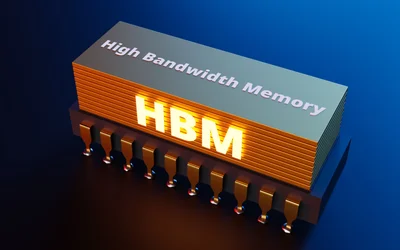
What is High Bandwidth Memory 3 (HBM3)? This comprehensive engineering guide covers architecture, applications, and performance, along with some advanced techniques used by leading AI companies and best implementation strategies!
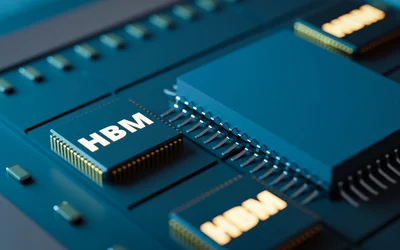
Master HBM memory technology with our comprehensive engineering guide covering 3D stacking architecture, bandwidth calculations, and design optimization techniques. Discover implementation strategies for AI and HPC applications!
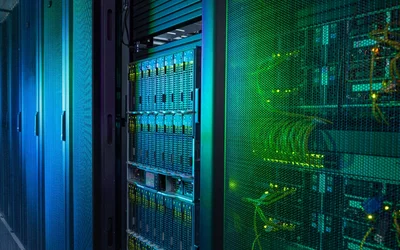
This article covers advanced architectural patterns, performance optimisation strategies, and critical operational considerations for building production-grade AI infrastructure systems!

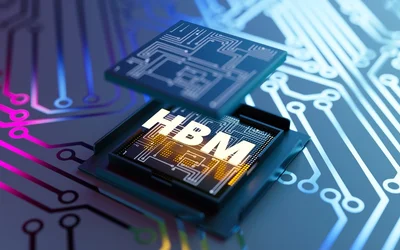
High-Bandwidth Memory (HBM) is a 3D-stacked DRAM designed for ultra-high bandwidth and efficiency. Used in GPUs, AI, and HPC, it tackles memory bottlenecks by stacking dies vertically near processors. This article explores its evolution, architecture, and impact on modern computing.
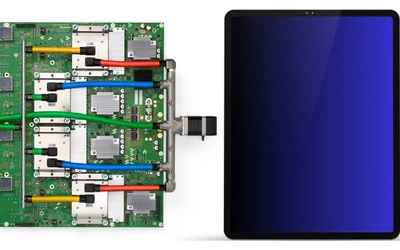
NPUs are integrated units that excel in real-time AI tasks on edge devices like smartphones and IoT systems with low power consumption. TPUs are standalone processors designed for large-scale AI workloads in data centers, delivering exceptional performance in deep learning tasks.
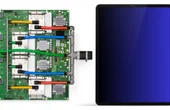
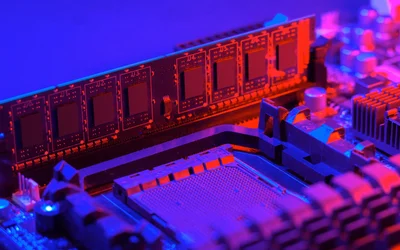
This article is a detailed analysis of In-Memory Compute technology, covering its architecture, use cases, recent advancements, and practical implementation strategies to enhance computational efficiency.

Fine-tuning large language models adapts pre-trained models to specific tasks or domains using tailored datasets, while Retrieval-Augmented Generation (RAG) combines retrieval systems with generative models to dynamically incorporate external, up-to-date knowledge into outputs.


Large Language Model (LLM) training involves teaching AI models to understand and generate human-like text by processing vast amounts of data, significantly enhancing their language comprehension and production capabilities.

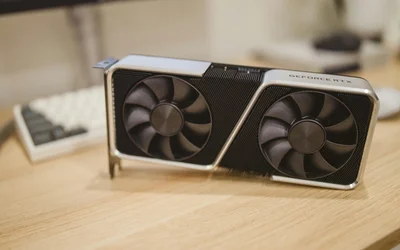
CUDA Cores and Tensor Cores are specialized units within NVIDIA GPUs; the former are designed for a wide range of general GPU tasks, while the latter are specifically optimized to accelerate AI and deep learning through efficient matrix operations.