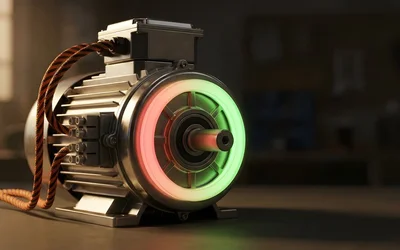
Explore how edge AI, efficient motor control, MEMS sensors, and wide-bandgap semiconductors can reduce energy use in motor-driven systems.
Be the first to know.
Get our motion control weekly email digest.
Tagged with
motion control
ORGANIZATIONS. SHAPING THE INDUSTRY.
Latest Posts

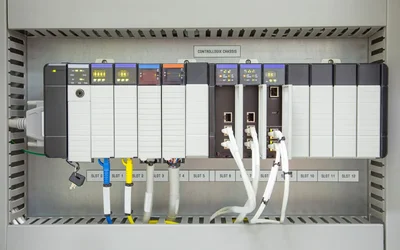
This article explains what is a PLC, what's inside it, how the scan cycle works, which programming languages the current IEC standard defines, and how to choose the right controller for your application.
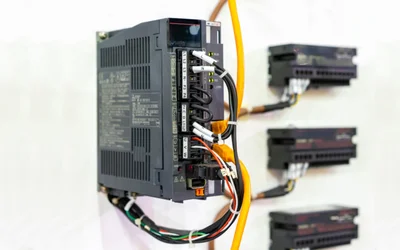
This guide covers what is inside a servo drive, how its nested servo loops behave, how EtherCAT and CANopen interfaces change the architecture, and how to size, tune, and safely commission one.
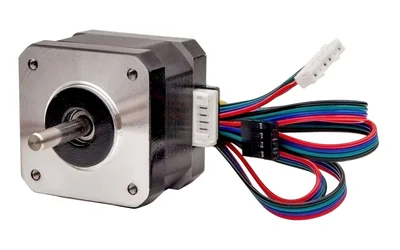
How closed-loop stepper motors use encoder feedback to eliminate missed steps, plus driver design, NEMA sizing, and when to choose a servo instead.

This article explains how a servo motor works, its construction, control loops, encoder and resolver feedback, AC and DC types, sizing math, and tuning fixes.

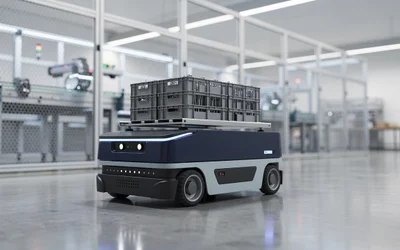
As robotics shifts from innovation showcases to real-world deployment, motion systems play a vital role in this next stage of robotics.

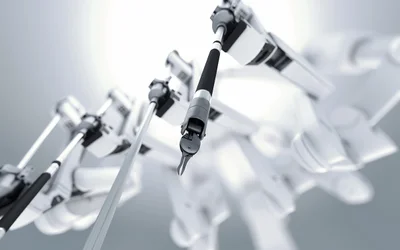
The future of modern healthcare utilizes surgical robots to provide precision beyond human capability. These motion systems demand accuracy, control, and minimal tissue disruption.

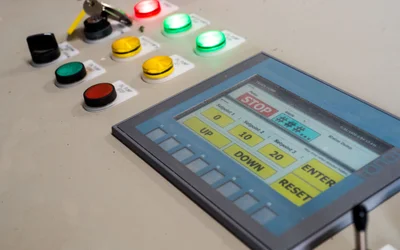
Design, wire, protect, and troubleshoot motor starting systems.

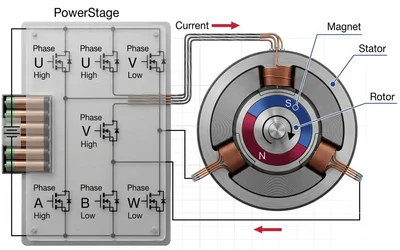
This article explains Field-Oriented Control for AC motors, covering torque, flux, efficiency, and precise variable-speed drive performance.
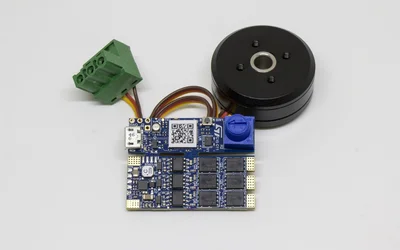
Electronic power stage and control choices for brushless DC motors.
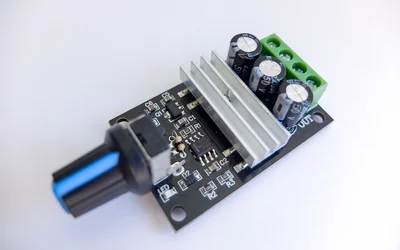
This article explains practical DC motor speed control techniques for both brushed and BLDC systems, covering design principles, control methods, and engineering considerations behind reliable motor speed control.
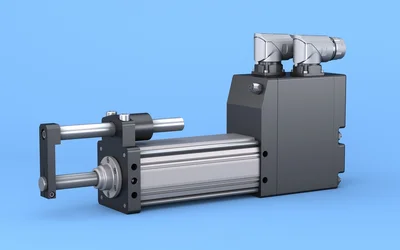
This article is a complete linear actuator motor selection guide, explaining how motor topology, drive selection, transmission design, force, speed, and duty cycle define electric linear actuator performance.
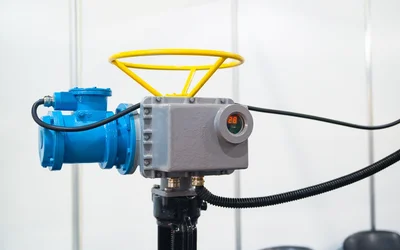
This article details electric actuators — explaining theory, construction, motor topologies, transmission trade offs, feedback architectures, selection methodology, applications, comparisons with fluid power, maintenance and standards.
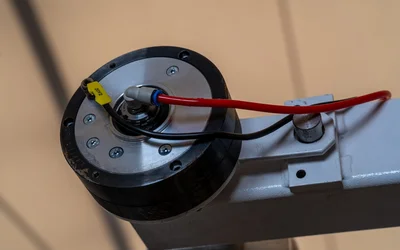
This guide is an engineering reference on how electric actuators combine motors, gear trains, and mechanical conversion to produce controlled linear or rotary motion, with selection criteria and practical actuator motor applications across engineering systems.
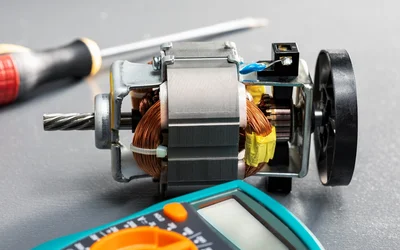
This article presents an end-to-end motor control design methodology covering mechanical sizing, power electronics, sensor selection, real-time control algorithms, EMC, and functional safety for engineers building motor drives.