Interconnect selection, HVDC transition, thermal management, and more.
Be the first to know.
Get our highpower dc weekly email digest.
Tagged with
High-power DC
ORGANIZATIONS. SHAPING THE INDUSTRY.
Latest Posts


Medical devices require critical reliability, application-specific criteria, and its own unique set of constraints. This guide explores power level, form factor, and care settings for medical devices.

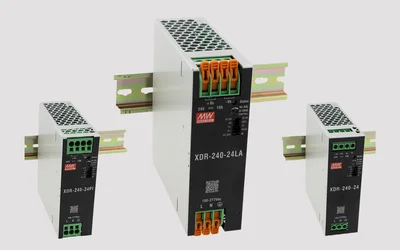
The XDR Series offers reduced inrush current, improved transient-handling capabilities, and rigorous qualification standards, giving engineers a robust, compact, and digitally integrated power architecture for their industrial designs.
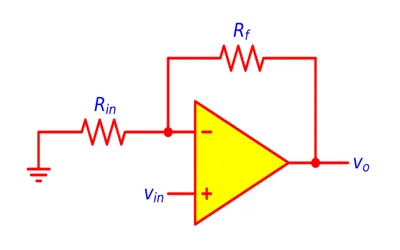
An instrumentation amplifier is a precision differential amplifier designed to amplify small voltage differences. This guide explains the three-op-amp architecture, and how to choose between INA128, AD620, LT1167, and a standard difference amplifier for sensor front-ends.
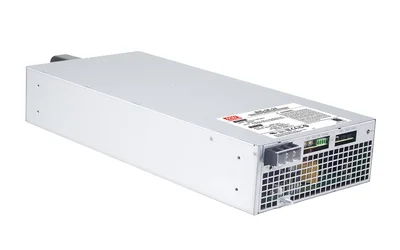
A sophisticated and practical path to implement high-efficiency, bidirectional power systems.

How Connectors Shape Charging and Battery Innovation


Selecting and validating the right busbar architecture earlier to optimize high-performance power distribution.

A voltage reference is a precision circuit that delivers a stable output voltage independent of temperature, power supply, and load variations. This article covers key reference technologies, specifications, selection criteria, PCB design, and applications in ADCs, DACs, and calibration systems.

Nexperia links device-level advantages to application requirements, helping designers choose the best Wide bandgap (WBG) solution for their design.



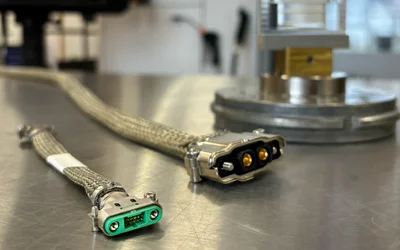
An interview with Ryan Smart, VP of Product at Harwin, discussing the challenges of shielding in high-reliability connectors, high-current design trends, and the hybrid power-and-signal connector layouts.
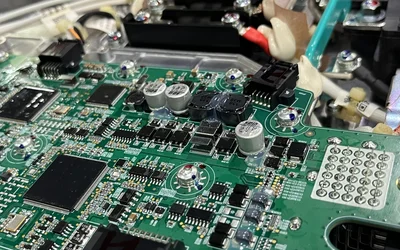
Understanding gate-driver fundamentals, architectures, drive techniques for SiC MOSFETs and GaN HEMTs, protection features, key specifications, and selection guidance for modern power electronics.
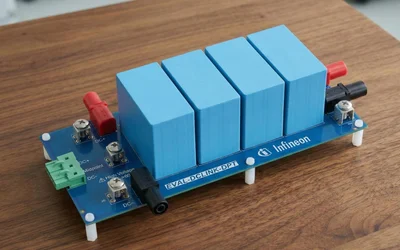
Infineon's EVAL-DCLINK-DPT is used to perform double pulse testing for high-voltage power devices to evaluate switching losses, turn-on and turn-off behavior, reverse recovery, gate waveform integrity, parasitic effects, and safe operating margins under defined voltage and current conditions.
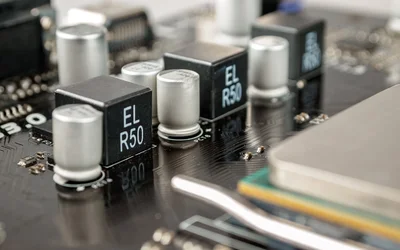
Understanding how voltage regulators maintain constant voltage, comparing linear, LDO, and switching types, and providing engineering guidelines for selecting and integrating regulators into complex systems.
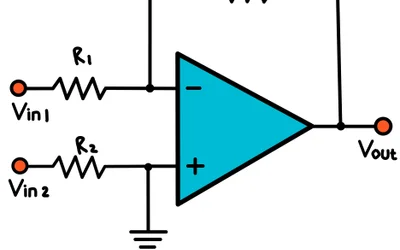
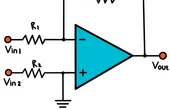
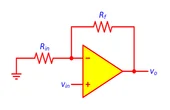
An operational amplifier (op-amp) is a high-gain differential amplifier used in analog circuitry to process and condition signals. This article examines op-amp theory, ideal and real behavior, key specifications, core circuits, applications, and practical design considerations.