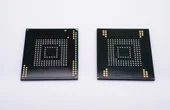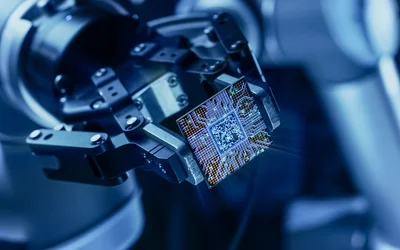




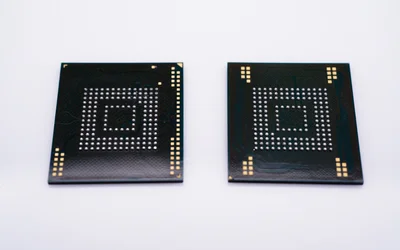
Embedded Multimedia Card (eMMC) is a non-volatile flash memory mainly used in mobile devices and embedded systems. It has a single package design featuring a NAND flash memory integrated with a memory controller.

8 minutes read
Tagged with
Embedded Multimedia Card (eMMC) is a non-volatile flash memory mainly used in mobile devices and embedded systems. It has a single package design featuring a NAND flash memory integrated with a memory controller.
8 minutes read
Parylene coatings present unique challenges when it comes to rework and removal. They often outperform other conformal coatings. Parylene has better barrier properties, uniform coverage, and performance in thinner layers.
How xDS Turns Static Deep Learning Deployments into Resilient, Dynamic Systems
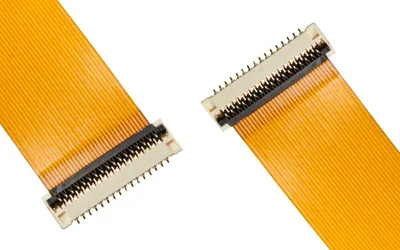
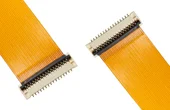
Flat flexible cables and flexible printed circuit solutions enable high-density, high-speed connections across a wide range of modern electronic applications. While Molex delivers the interconnect technology, Sager supports engineers with design guidance, prototyping, and supply chain execution.
Memory safety, a key concept in software development, addresses how an application handles memory operations, such as reading, writing, allocation, and deallocation.
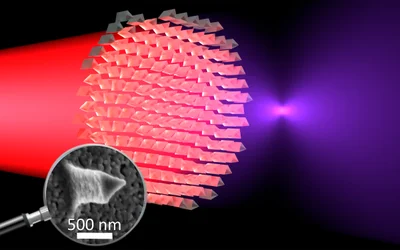
Physicists at ETH Zurich have developed a lens with magic properties. Ultra-thin, it can transform infrared light into visible light by halving the wavelength of incident light.

4 minutes read
CheriBSD is a Capability Enabled, Unix-like Operating System that extends FreeBSD to take advantage of Capability Hardware on Arm's Morello and CHERI-RISC-V platforms.
OEM means the client designs and the manufacturer builds. ODM means the manufacturer handles both design and production. This guide helps engineers compare IP control, customization, cost, and time to market to decide which model fits their product best.
Previously only thought to be insulating, a shift in the angle between silicon and oxygen atoms creates a highway for an electrical charge.
Watch the webinar on sustainable PCB manufacturing hosted by Voltera and Jiva Materials.
Research and Development product leaders like you and me drive innovation. We turn ideas and problems into safe and manufacturable products by exploring new technologies, materials, and processes to meet technical needs and customer expectations.
In this context, dynamic constraint checking includes software runtime checks (assertions that make checks over the correct behavior of the system) and hardware checks provided by some microprocessors, for example, memory protection provided by a Memory Management Unit (MMU).
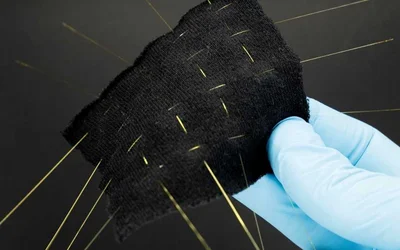
New smart textiles developed by researchers at ETH Zurich use acoustic waves and glass fibres to help make precise measurements. They are light, breathable and inexpensive, and offer great potential for medicine, sports and everyday life.
3 minutes read
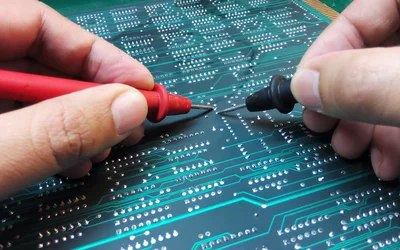
PCB testing verifies the structural integrity and performance of a circuit board. This article explores key insights from design for testability (DFT) to manual and automated tests such as AOI, ICT, and X-ray.
An edible robot made by EPFL scientists leverages a combination of biodegradable fuel and surface tension to zip around the water's surface, creating a safe - and nutritious - alternative to environmental monitoring devices made from artificial polymers and electronics.

3 minutes read