




How do MOSFETs work? This article provides an in-depth exploration of their internal structure, electrical characteristics, operation modes, real-world use cases, and the latest technological advancements and trends for 2025!
Be the first to know.
Get our electronics weekly email digest.
Tagged with
electronics
ORGANIZATIONS. SHAPING THE INDUSTRY.
Latest Posts
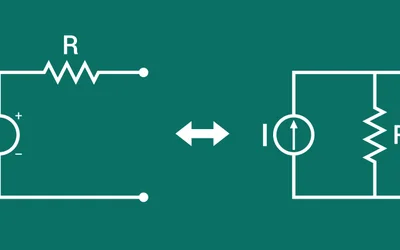
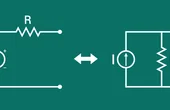
Learn how source transformation simplifies complex circuit analysis by converting between Thévenin voltage sources and Norton current sources – complete with definitions, derivations, step-by-step examples (including dependent and AC sources), common pitfalls, and advanced applications.
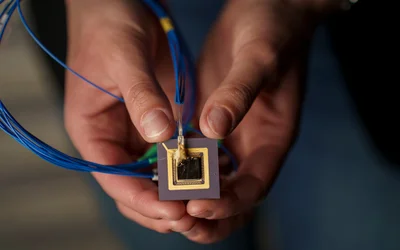
PhD candidate Sabrina Corsetti builds photonic devices that manipulate light to enable previously unimaginable applications, like pocket-sized 3D printers.

Security is essential to NVIDIA's brand. However, with cybersecurity risks rising across the board, including in the verticals they serve, the company was facing the challenge of delivering more secure products without incurring a large increase in development time and cost.


This article explores the future of JFET technology in a world increasingly defined by sensor proliferation, distributed intelligence, and hybrid analog-digital systems.

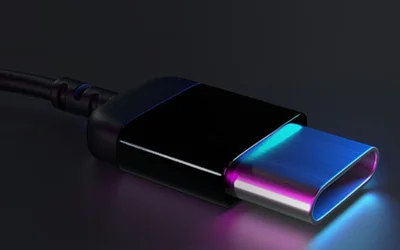
Discover How to Protect High-Power USB-C Designs from ESD and Surge Damage.

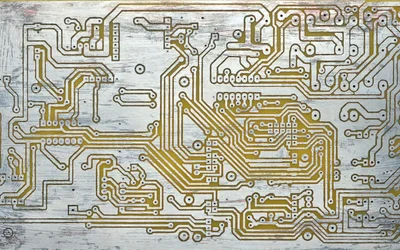
PCB etching is a chemical process that removes copper to form circuits. This guide covers fast etchants, FeCl₃ reactions, AI-driven optimization, aerospace standards, and sustainable methods for high-density PCBs in 5G and medical applications.
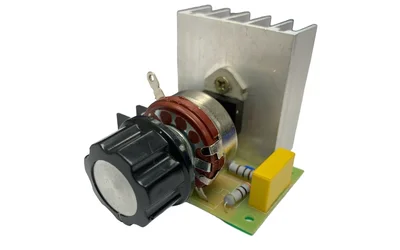
Learn how to wire a potentiometer in various configurations (voltage divider, rheostat, sensor) with this in-depth guide. We cover various potentiometer types, provide step-by-step wiring instructions, offer circuit design tips, highlight common mistakes, and include real-world examples.
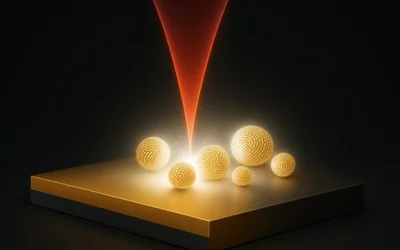
Scientists at ITMO have come up with a new way to protect microelectronics devices from counterfeit. The new technology is based on gold and silicon nanoparticles with unique optical properties that make it possible to create unclonable functions with a record information density.

3 minutes read


Polymer glass transition temperature (Tg) refers to the temperature at which an amorphous polymer transitions from a glassy, rigid state to a rubbery, flexible state. Understanding the polymer glass transition temperature is crucial for various industries, including engineering and manufacturing.


event | OCT 31 - NOV 02, 2025
Hackaday Supercon is returning for an exciting weekend filled with technical talks, badge hacking, and hands-on workshops

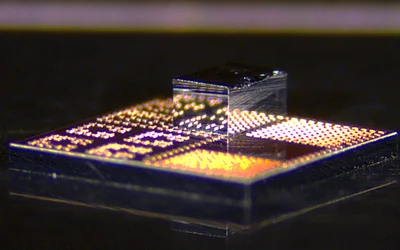
The low-cost, scalable technology can seamlessly integrate high-speed gallium nitride transistors onto a standard silicon chip.

Plasma Science and Fusion Center researchers created a superconducting circuit that could one day replace semiconductor components in quantum and high-performance computing systems.


By performing deep learning at the speed of light, this chip could give edge devices new capabilities for real-time data analysis.

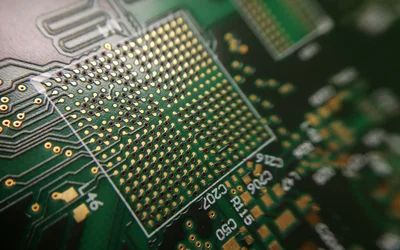
Ball Grid Array (BGA) is a high-density packaging technology using solder balls for connections. This guide covers BGA design principles, performance advantages, modern applications (2000+ pins in 45mm), and cutting-edge implementation techniques for engineers.