





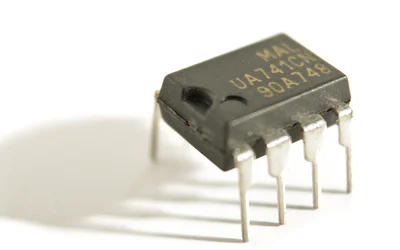
Master inverting vs non inverting op amp with a rigorous, engineer-friendly guide covering gain, bandwidth, noise, stability, and layout. Learn closed-loop design and verification used by TI/ADI application engineers. Build quieter, faster, stable amplifiers. Start designing confidently today.
Be the first to know.
Get our electronics weekly email digest.
Tagged with
electronics
ORGANIZATIONS. SHAPING THE INDUSTRY.
Latest Posts

Modern electronics and renewable energy systems depend on DC to AC inverters that convert a DC source into a clean sinusoidal AC output. This technical article explains the theory behind inverter circuits, their types, architectures, and practical design tips.

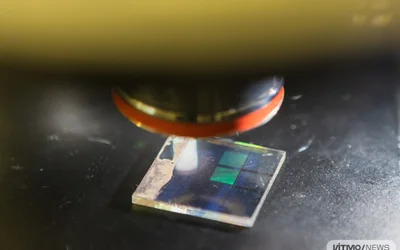
Scientists from ITMO have developed a new method for creating colorful structured semiconductor perovskite films without the risk of defects or contamination.

4 minutes read

Electronics are booming, but outdated methods can't keep up. Read more to discover the three principles transforming how development teams collaborate.

4 minutes read

A technical deep dive into the NMOS symbol, working, and device behavior, contribution in analog design and advanced NMOS technologies in the modern age.
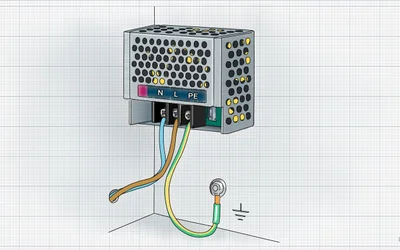
This article aims to help design engineers and compliance teams understand the key distinctions between Class I and Class II appliances, how to interpret those in system design, and how to select a PSU that aligns with the required protection scheme.

5 minutes read
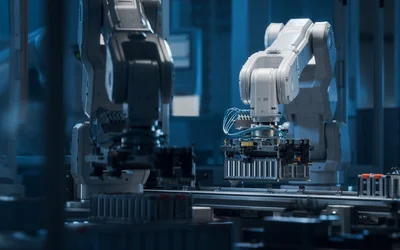
In the rapidly growing field of industrial robotics, reliable connectivity is essential for maintaining high signal integrity, especially in environments characterized by continuous motion and harsh conditions.


Advanced electronic components are enabling autonomous driving. This transformation is only possible with reliable, high-performance solutions tailored for automotive applications.

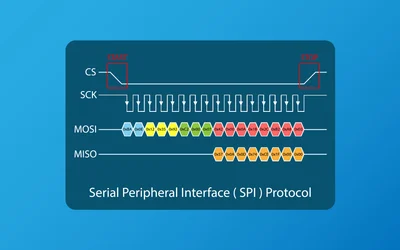
SPI, or Serial Peripheral Interface, is a synchronous, full-duplex serial communication protocol used to connect a controller to one or more peripherals.
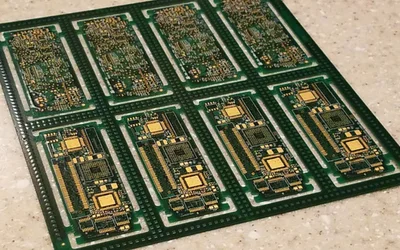
Mousebites are tiny perforated holes along the edges of a PCB that allow individual boards to be easily broken off from a larger panel after assembly.

5 minutes read
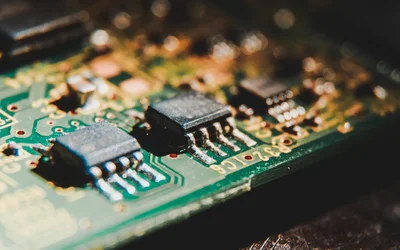
This comprehensive guide discusses the MOSFET symbol, explaining how gate, source, drain, and body connections are represented for N channel and P channel devices. It covers theoretical concepts, practical design guidelines, market trends and emerging technologies.
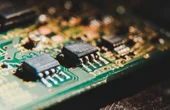
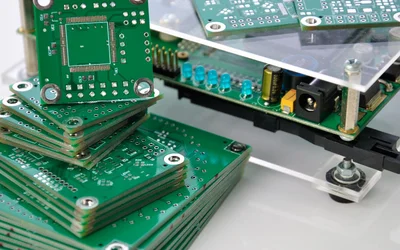
In 2025, PCB design is not just about connecting components— it is about managing high-speed signals, power efficiency, thermal performance, and manufacturability.
5 minutes read
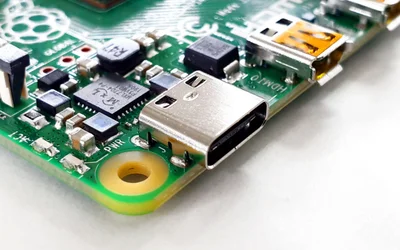
The USB-C connector has revolutionized modern electronics, offering a compact, reversible design capable of delivering high-speed data, power, and versatility in a single package.
6 minutes read
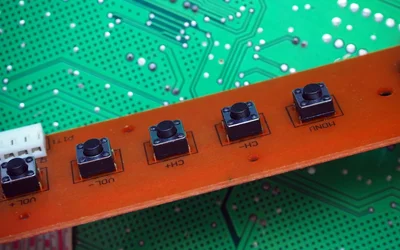
Understanding the differences between Single Pole Single Throw (SPST), Single Pole Double Throw (SPDT), and Double Pole Double Throw (DPDT) switches is essential for designing reliable hardware. This article explains the theory behind these switching configurations and practical implementations.
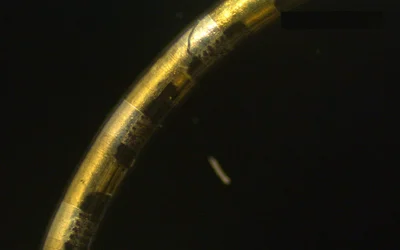
Developed by Stanford researchers, NeuroString is a hair-thin multichannel biosensor and stimulator with promising potential applications in drug delivery, nerve stimulation, smart fabrics, and more.

4 minutes read