Without the coders, engineers, entrepreneurs, and innovators of tomorrow emerging from the classrooms—and soon—it will become increasingly difficult to advance society and tackle diverse global challenges. As things stand now, a global technology talent shortage threatens to stifle progress across all tech sectors.
Smart lighting is a key component of smart commercial buildings and the connected home. Based on LEDs—which use at least 75 percent less energy, and last up to 25 times longer than traditional incandescent lighting, according to the U.S. Department of Energy (DoE)—combined with Bluetooth LE SoCs like Nordic’s nRF52, nRF53, and the forthcoming nRF54 Series, smart lighting brings illumination into the modern age.

This article explores how thoughtful power architecture helps IoT and portable devices run longer, stay stable, and perform reliably by managing energy flow, sequencing, and power domains more intelligently.
Discover how Industry 4.0, 5.0, and AI are transforming control panels into intelligent, secure, and scalable systems for modern industrial automation.
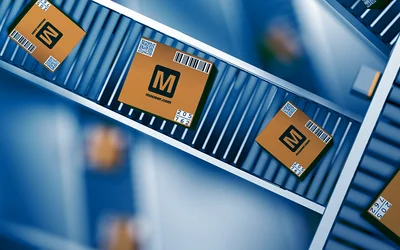
Barcodes play a key role across industries for tasks like inventory management, asset tracking, and quality control, where traceability is required. OMRONs VHV5-F enables accurate barcode reading on every surface, from curved metals to glossy packaging, even in the harshest environments.
Without the coders, engineers, entrepreneurs, and innovators of tomorrow emerging from the classrooms—and soon—it will become increasingly difficult to advance society and tackle diverse global challenges. As things stand now, a global technology talent shortage threatens to stifle progress across all tech sectors.
Smart lighting is a key component of smart commercial buildings and the connected home. Based on LEDs—which use at least 75 percent less energy, and last up to 25 times longer than traditional incandescent lighting, according to the U.S. Department of Energy (DoE)—combined with Bluetooth LE SoCs like Nordic’s nRF52, nRF53, and the forthcoming nRF54 Series, smart lighting brings illumination into the modern age.
As the IoT market is slowly maturing, IoT systems are becoming increasingly complex and versatile. As a result, embedded devices are composed of distinct firmware components made by different parties working together, often running on multiple MCUs simultaneously.
The development of IoT agriculture has seen a rapid increase in recent years as advancements in technology have enabled farmers to monitor and control their equipment remotely. This allows them to take care of their crops from anywhere in the world, making it possible for them to monitor the health and growth rates of their plants in real time.
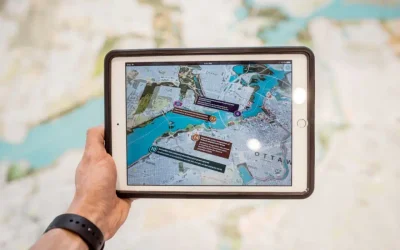
Inside the home, Virtual Reality (VR) and Augmented Reality (AR) are moving in on traditional electronic gaming territory. Headsets and sound systems help players feel as if they are actually inside their favorite game. Wireless tech helps make the experience even more immersive by connecting headset and handset(s) for low-latency game control.
Technology has a tendency to move from hardware to software, as physical components give way to virtual features. That trend certainly holds in IoT connectivity.
The purpose of decarbonization for the manufacturing industry since 2021 onward has changed from social contribution to achieving profits by observing conditions in transactions with customers and enhancing cost competitiveness.