Featured
How IoT devices and SBCs improve the quality of life and care for elderly people

How IoT devices and SBCs improve the quality of life and care for elderly people
How IoT devices and SBCs improve the quality of life and care for elderly people
This blog comprises a collection of articles on innovation written by Hubert Martens, the CEO and founder of Salvia BioElectronics. Originally shared on LinkedIn, Martens intended to spark a conversation about innovation and introduce the innovation model he and his team developed over their careers.
This article explores how to apply "KISS" principles to medical device design, providing valuable insights for staying ahead in this competitive industry.
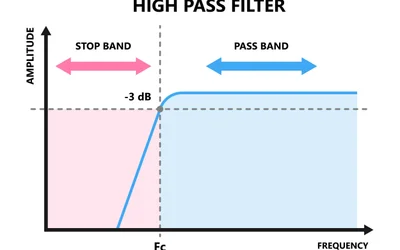
Active high-pass filters remove unwanted low-frequency signals while preserving useful higher frequencies. This article covers first- and second-order filter design, Sallen-Key and multiple-feedback topologies, and practical applications in audio electronics, instrumentation, and signal processing.
16 minutes read.
15 minutes read.
19 minutes read.
12 minutes read.
14 minutes read.


Entertainment
The Next Byte Podcast is hosted by two young engineers - Daniel and Farbod - who select the most interesting tech/engineering cont...
165 Posts

High Tech
High Tech Campus Eindhoven is Europe's smartest square km and has the ultim...
49 Posts

University for science and technology
Freedom and individual responsibility, entrepreneurial spirit and open-min...
43 Posts

University
At the Harvard John A. Paulson School of Engineering and Applied Sciences (...
42 Posts
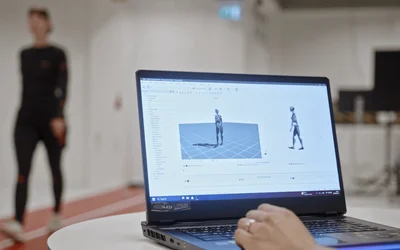
with Xsens motion capture
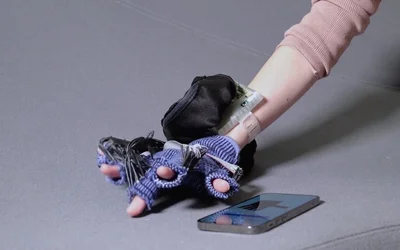
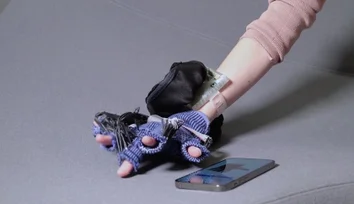
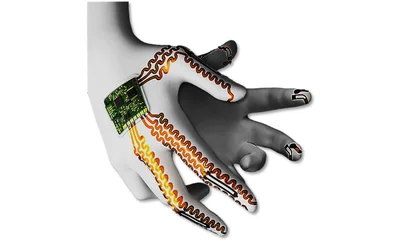
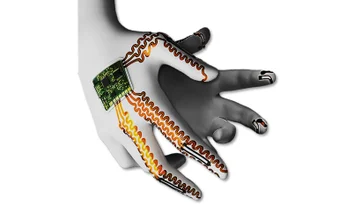
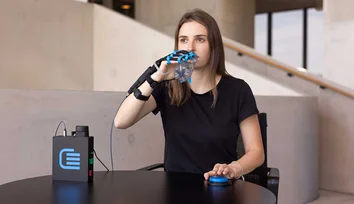
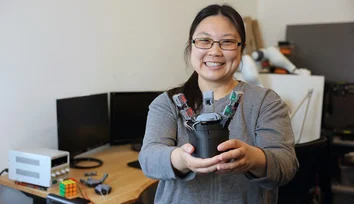
A new glove with more than three dozen actuators across all five fingers and the palm, developed by Cornell researchers, aims to reduce swelling for people suffering from edema.
AI-powered artificial muscles made from pliable materials are reshaping recovery, from stroke rehabilitation to prosthetic design. These machines help people regain motion, strength, and confidence.
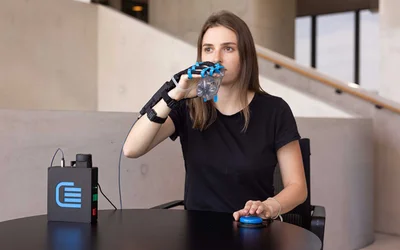
Researchers at ETH Zurich have developed an innovative hand exoskeleton that helps persons after stroke re-learn how to grasp. Its accordion-like structure makes it light, robust and easy to integrate into everyday life.
AI-powered artificial muscles made from pliable materials are reshaping recovery, from stroke rehabilitation to prosthetic design. These machines help people regain motion, strength, and confidence.
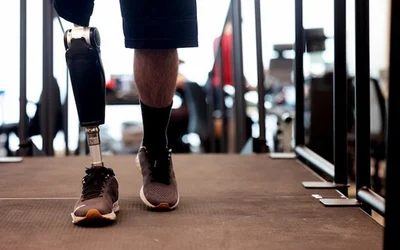
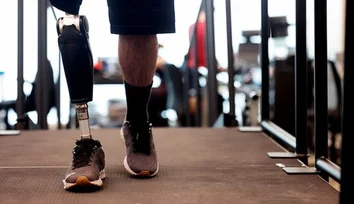
Paired with custom control software, Össur's powered knee prosthesis helped study participants sit, stand and walk more easily.
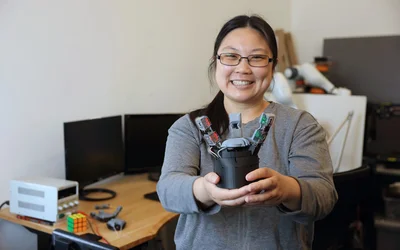
MIT CSAIL researchers enhance robotic precision with sophisticated tactile sensors in the palm and agile fingers, setting the stage for improvements in human-robot interaction and prosthetic technology.
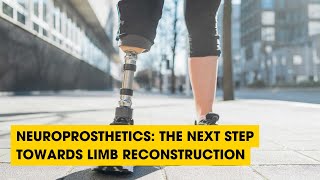
In this episode, we discuss a breakthrough from ETH Zurich to mimic natural foot signals to the brain using state of the art neuroprosthetics.
How IoT devices and SBCs improve the quality of life and care for elderly people
This blog comprises a collection of articles on innovation written by Hubert Martens, the CEO and founder of Salvia BioElectronics. Originally shared on LinkedIn, Martens intended to spark a conversation about innovation and introduce the innovation model he and his team developed over their careers.

12 minutes read
This article explores how to apply "KISS" principles to medical device design, providing valuable insights for staying ahead in this competitive industry.

3 minutes read
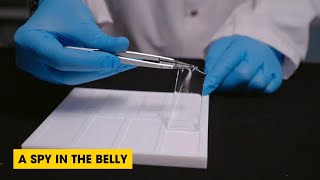
In this episode, we talk about a combined effort between ETH Zurich & the Swiss Federal Lab for Material Science (EMPA) to create “smart” internal bandages for safely patching patients post stomach/intestinal surgery while providing insight to the medical staff about the status of the patch to prevent leakages which can be fatal.

15 minutes read
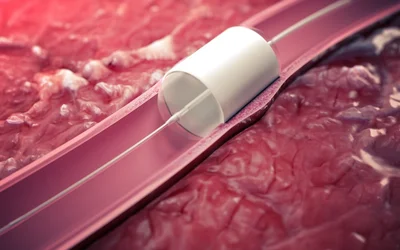
Relatively new to High Tech Campus, STENTiT is a medtech startup aiming to revolutionize artery intervention. Born out of technology from Eindhoven University of Technology (TU/e) , the company found a natural home at High Tech Campus Eindhoven to grow its business and benefit from the Brainport community.
3 minutes read
Healthcare is undergoing a transformative shift with the rise of stick-to-skin wearable monitoring devices. These data-collecting marvels, such as continuous glucose or cardiac monitoring devices, offer convenience & real-time insights.This article explores capabilities, applications & market trends

3 minutes read
This guide will focus on the key stages of the medical device development process, touching on the development timeline for different medical products. We will also discuss the various challenges and opportunities for product development in the medical device industry.

13 minutes read
New technologies in life sciences and health are transforming healthcare from a labor-intensive industry to a data-driven, innovation-intensive industry.
A washable wearable biometric device using printed electronics technology provides real-time data for telemedicine. Integrated into a sleeve, the sensors monitor muscle activity. The data, transmitted to an online platform, facilitates remote health monitoring.
5 minutes read
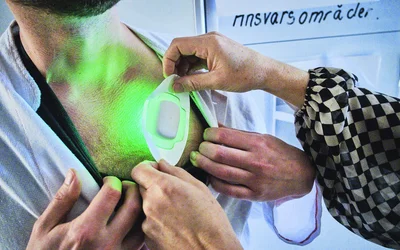
A DTU startup has developed a new sensor for monitoring patients in an easier, smarter, and better way, with major potential socio-economic benefits.

5 minutes read
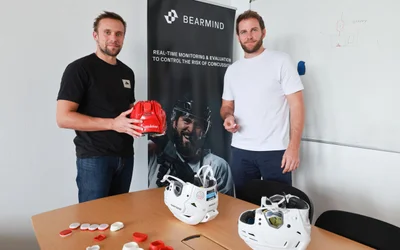
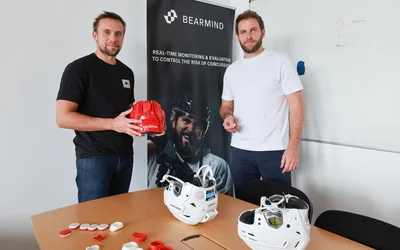
In the episode, we discuss how smart helmets can prevent head trauma by providing feedback in real time to athletes and coaches. These helmets utilize advanced technology, such as sensors and smart features, to enhance safety during activities like sports.
The world is aging; according to the World Health Organization (WHO), between 2015 and 2050, the proportion of the population over 60 will double from 12 percent to 22 percent.

4 minutes read
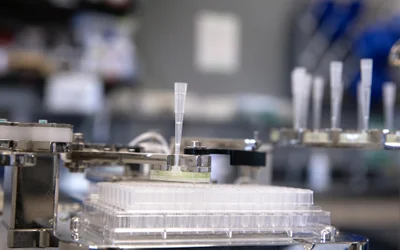
Automation uncovers combinations of amino acids that feed two bacterial species and could tell us much more about the 90% of bacteria that humans have hardly studied.

3 minutes read
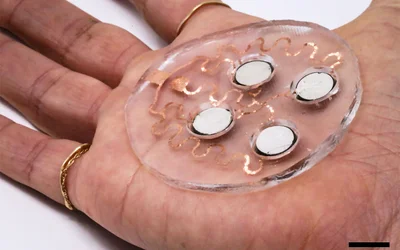
Using ultrasonic waves that propel drug molecules into the skin, the patch could be used to treat a variety of skin conditions.
Players may not be aware of the severity of head impacts suffered during a game. Bearmind, an EPFL spin-off, has developed smart helmets that provide a series of metrics enabling coaches to monitor the neurological effects of head impacts suffered by their players. The firm hopes to quickly conquer the US market.

3 minutes read