Autonomous Vehicles

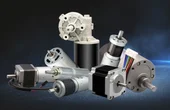
Everything you need to know about Stepper Motors.... and more!


Save valuable time by discussing your dc motor requirements early in the design process with an applications engineer.

Yasuhide “Yasu” Yokoi is the cofounder of design and technology firm Final Aim Inc., which works with laboratories, startups, and multinational companies to transform ideas into tangible solutions.

Engineers Wiki. Most Asked Questions.
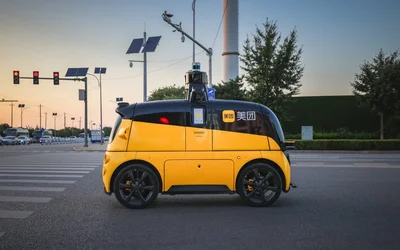
Autonomous Vehicles (AVs) are poised to revolutionize human transportation by making it more safe, comfortable, and reliable. From passenger travel to cargo transportation, AVs equipped with AI and sensors offer tremendous potential.
Zynq UltraScale+: AMD's Heterogeneous MPSoC and RFSoC
16 minutes read.
Lidar vs. Radar: Comprehensive Comparison and Analysis
14 minutes read.
AGV vs AMR: A Comprehensive Comparison in the World of Automation
18 minutes read.
Driving Innovation: Harnessing IoT Potential in the Automotive Sector
10 minutes read.
Lidar SLAM: The Ultimate Guide to Simultaneous Localization and Mapping
16 minutes read.
ORGANIZATIONS. SHAPING THE INDUSTRY.




InDro Robotics
Robotics and Drones
We empower R&D by providing the computational power, ROS packages, payloads...
14 Posts

Keysight Test and Measurements
Test and Measurement equipment
Keysight Technologies, Inc. (NYSE: KEYS) is a leading technology company th...
11 Posts

ISL Products International Ltd
Electro-Mechanical Component Manufacturing
ISL Products is an engineering oriented designer and manufacturer of value-...
9 Posts
TAGGED WITH autonomous surface vehicles (asvs)

Examining the latest developments in self-driving vehicles.

Autonomous Vehicles (AVs) are poised to revolutionize human transportation by making it more safe, comfortable, and reliable. From passenger travel to cargo transportation, AVs equipped with AI and sensors offer tremendous potential.

CGConnect, its cellular micro-modem that uses 4G/5G networks to link any drone or robotic vehicle to Cloud Ground Control’s cloud-based drone fleet management platform, enabling live-streaming, command and control from a web browser.

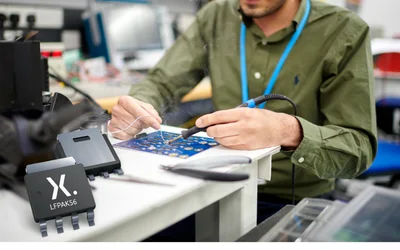
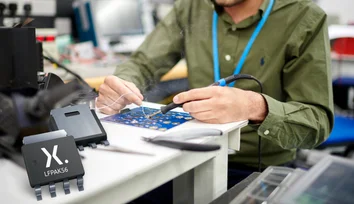
More than 20 years ago, a team set out to solve a problem: How do we reduce power loss and help reduce MOSFET size at the same time? LFPAK was the answer - and it changed everything.
TAGGED WITH autonomous ground vehicles (agvs)
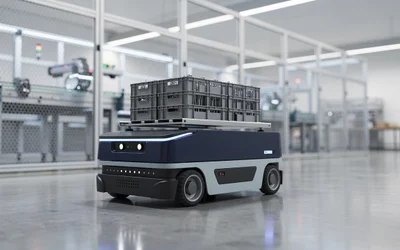
As robotics shifts from innovation showcases to real-world deployment, motion systems play a vital role in this next stage of robotics.
Specialized design and manufacturing of robotic systems for chemical, nuclear, and high-risk industrial applications.
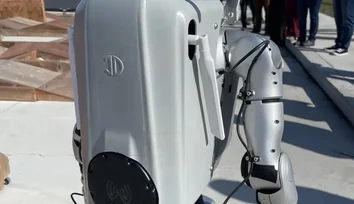
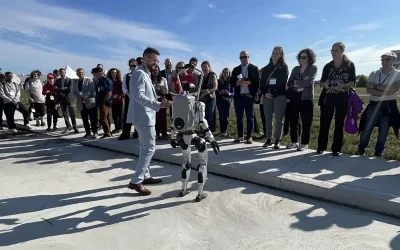
The Companies and Concepts Redefining Tomorrow's Industries
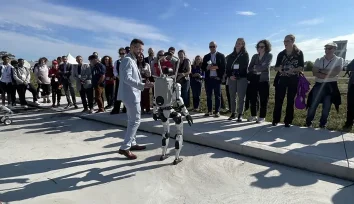
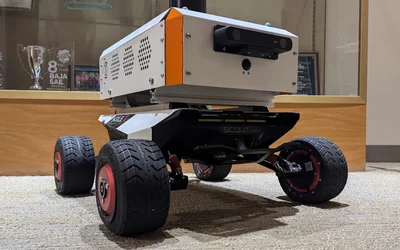
Safe autonomy in various vehicle systems and in uncertain conditions.
Latest Posts
Everything you need to know about Stepper Motors.... and more!

3 minutes read
Save valuable time by discussing your dc motor requirements early in the design process with an applications engineer.
4 minutes read
Yasuhide “Yasu” Yokoi is the cofounder of design and technology firm Final Aim Inc., which works with laboratories, startups, and multinational companies to transform ideas into tangible solutions.

3 minutes read
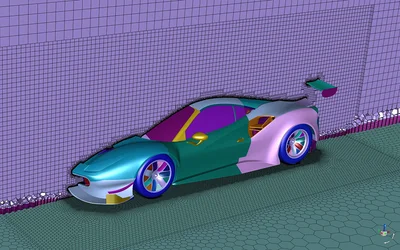
A look at the way Ferrari uses simulation to stay cutting edge.


With some modern vehicles having more than 100 electronic control units, along with the rise of wired and wireless communication protocols, automotive cybersecurity is now a critical concern.

7 minutes read

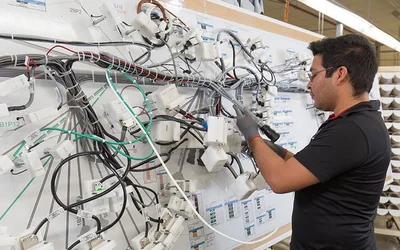
Today’s automobiles are data centers on wheels. This article explores the various single-pair Ethernet standards and explains how they work together to create an optimum automobile communication network for everything from camera, video, and GPS to more critical safety systems.
6 minutes read

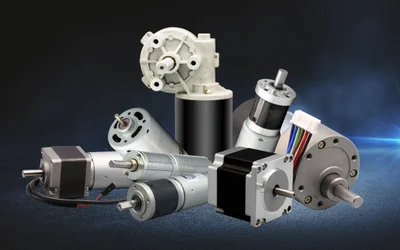
Get up to speed on what makes DC motors spin!
3 minutes read
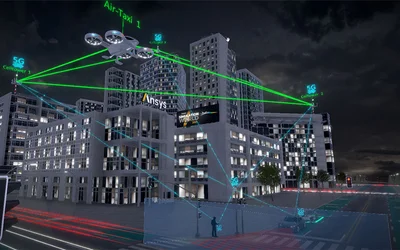
Simulation technology is key to mapping and maintaining the future of our new urban and transport realities.


Article #5 of our Connected Transport Series. High-speed networking and miniaturization of interconnectivity solutions enable advanced driver-assistance systems (ADAS) and increase vehicle safety.
6 minutes read


Where your alternative fuel car is made as well as where and how it is driven significantly impacts its lifetime carbon emissions.


SMART study determines benefits of competition and potential impact for future urban cities and transport systems.

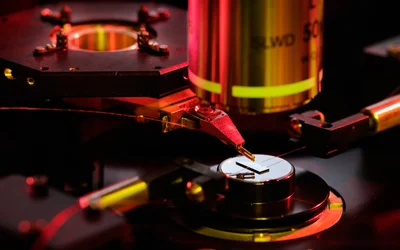
A new applied R&D center accelerates chip technology development towards industry and applications.

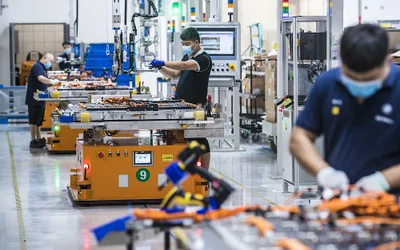
Article #4 of our Connected Transport Series. Many technologies, regulations, and infrastructure changes need to be adopted for connected vehicles to realize their full potential.

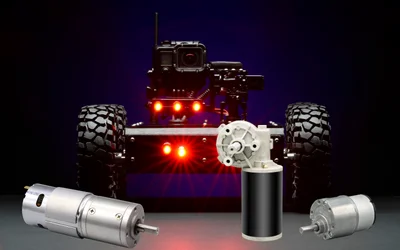
Autonomous Robots use a variety of unique dc motors and gear motors to carry out their multitude of operations. ISL Products explains how and where these dc motors are used.
4 minutes read

In this episode, we talk about the next-gen lunar rover built by Lockheed and GM for NASA’s Artemis mission, how a frustrated tech CEO made a rock-picking robot, and an initiative from University of Manchester to reduce global CO2 emissions by 2% using graphene-enhanced concrete.