Featured
Interdisciplinary team builds multi-task machine learning model for randomized controlled trial

Interdisciplinary team builds multi-task machine learning model for randomized controlled trial
Interdisciplinary team builds multi-task machine learning model for randomized controlled trial
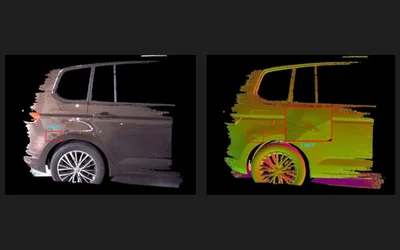
A car rental company uses the Photoneo 3D camera MotionCam-3D to inspect and identify defects on rental cars.
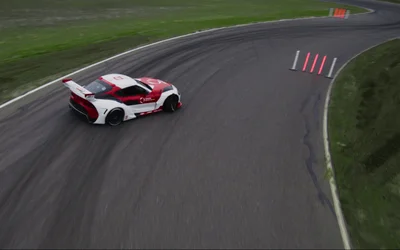
In this episode, we talk about how Toyota and Stanford are collaborating to utilize AI for drifting controls and the efforts behind a team at TUM which has resulted in an autonomous race car performing at the capacity of an amateur F1 driver.
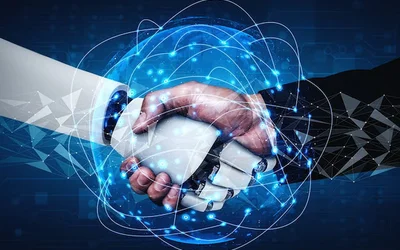
Artificial intelligence (AI) is a wide-ranging tool that enables people to rethink how we integrate information, analyze data, and use the resulting insights to improve decision making
15 minutes read.
20 minutes read.
13 minutes read.
17 minutes read.
25 minutes read.
11 minutes read.


Entertainment
The Next Byte Podcast is hosted by two young engineers - Daniel and Farbod - who select the most interesting tech/engineering cont...
165 Posts

High Tech
High Tech Campus Eindhoven is Europe's smartest square km and has the ultim...
49 Posts

University for science and technology
Freedom and individual responsibility, entrepreneurial spirit and open-min...
43 Posts
From leading experts at the CDFAM Computational Design Symposium
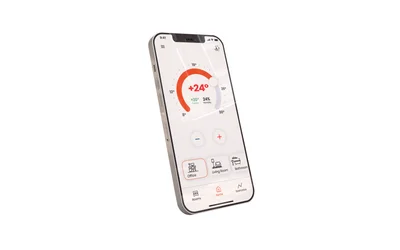
eCozy 2.0 system addresses the limitations of traditional thermostats for water heating radiators, delivering efficiency, convenience and sustainability benefits to households
Protect the cloud by securing the edge with hardware-based security, TPMs, HSMs, and resilient edge computing architectures.
Explore the rise of intelligent EV hardware and how real-time processing, ML acceleration, and hardware virtualization are enabling safer, smarter, software-defined electric vehicles.
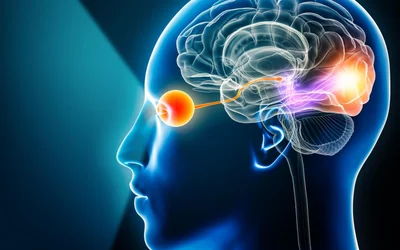
EPFL researchers are developing AI models that could one day enable vision prosthetics able to restore meaningful, object-level sight for the blind.
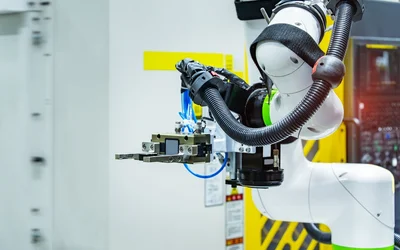
A deep-dive listicle guiding controls, automation, and quality engineers toward the best vision systems for manufacturing applications in 2026.
Understanding industrial vision systems by examining their components, imaging fundamentals, AI integration since 2020, and how to choose the right solution for every application.
The AI-powered tool could inform the design of better sensors and cameras for robots or autonomous vehicles.
Interdisciplinary team builds multi-task machine learning model for randomized controlled trial
A car rental company uses the Photoneo 3D camera MotionCam-3D to inspect and identify defects on rental cars.

2 minutes read
In this episode, we talk about how Toyota and Stanford are collaborating to utilize AI for drifting controls and the efforts behind a team at TUM which has resulted in an autonomous race car performing at the capacity of an amateur F1 driver.

Article #5 Altair Startup Series. How startups can accelerate growth and effectively use artificial intelligence for quality assurance, data analytics, and other critical engineering tasks.
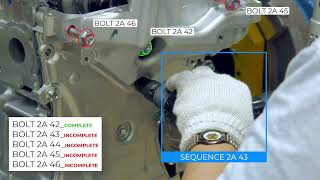
Deep-learning algorithms are enabling powerful video analytics. A practical use in manufacturing is monitoring human actions in manual operations. Some assemblies require specific torquing sequences, which can't always be tracked with traditional methods. AI-based Computer Vision advances quality management.

3 minutes read
Artificial intelligence (AI) is showing significant promise in medical imaging. To translate this promise to reality requires rigorous evaluation of these algorithms.
UTEP 2022 ends with 12 submissions in the final month. The recent articles covered different areas of technology like smart farming, AI, 3D printing, wind energy, structural engineering, biotechnology, and more. As we eagerly wait for the results, here is an article summarizing the new submissions.
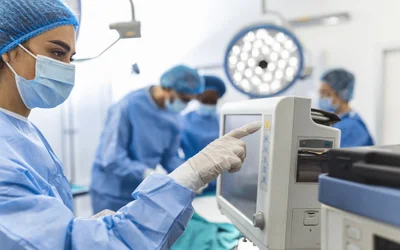
Interdisciplinary team tackles complexity of clinical data in perioperative care
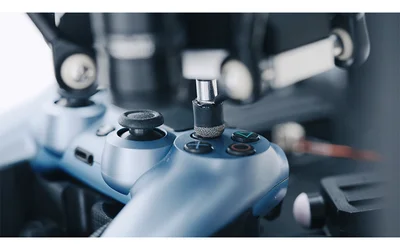
Developing a tool that evaluates button and switch devices from both hardware (through physical input) and software perspectives is the next logical step in the evolution of device testing automation.

5 minutes read
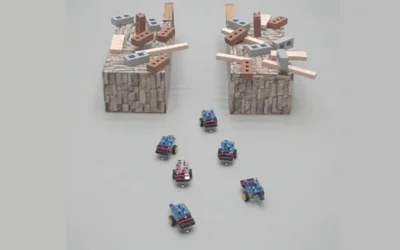
Resilient robot teams juggle competing priorities without deadlock

3 minutes read
For now, at least, machines need humans as much as humans need machines. At this intersection, machine learning (ML) offers intriguing possibilities for managing the billions of end devices that comprise the IoT. ML is a practical, mathematical field.

3 minutes read
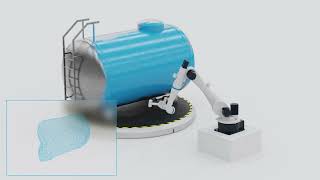
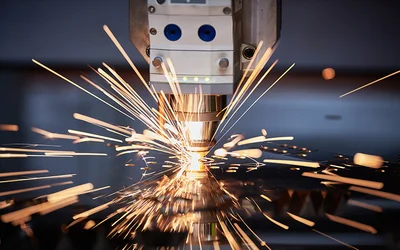
Real-time 3D model creation in motion with Photoneo’s MotionCam-3D enables automated sandblasting/painting of large objects without interruption.
3 minutes read
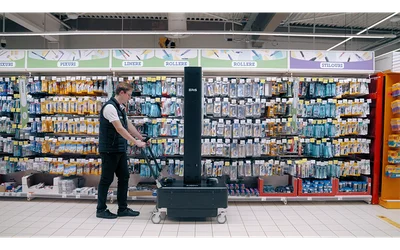
In a highly competitive environment, retailers are leveraging cutting-edge technologies to boost efficiency and run their businesses more effectively. AI-powered robots are transforming the retail sector by optimizing pricing strategies, inventory management, and more.
4 minutes read
Before the pandemic, research suggested that adoption of AI (artificial intelligence) and ML (machine learning) in business was increasing at a rate of about 25% per year.
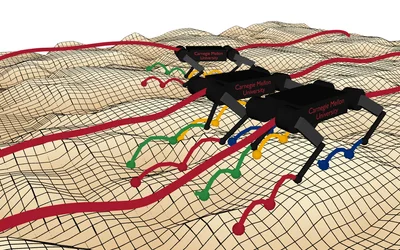
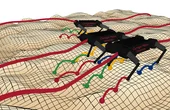
Aaron Johnson’s Robomechanics Lab has developed an open-source software that enables more agile movement in legged robots.

3 minutes read