This article explores the fundamentals, advantages, and practical uses of Hipot testing, emphasizing its role in electrical safety and reliability, alongside recent advancements and the challenges faced by engineers.
Technical Guides
Latest Posts

Learn about the various sizes of SMD resistors, their impact on electronic circuit design, and the latest technological advancements in SMD Resistor Technology. This guide discusses practical insights for engineering professionals looking to optimize their designs with precise resistor sizes.

Explore the fundamentals of Gray Code, its practical uses in digital systems, and the latest advancements driving innovation in technology and data encoding.

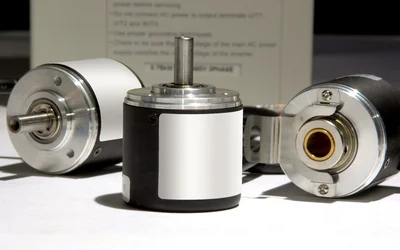
This article delves into the foundational concepts of encoders, their various types, recent advancements, seamless integration with modern systems, and how they are revolutionizing industries.
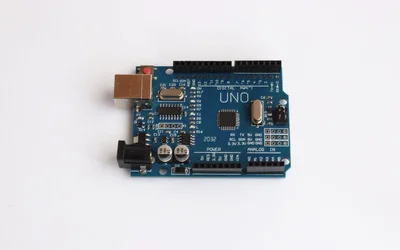
Understanding the intricacies of Vdd and Vss is essential for anyone involved in circuit design. This article explores how Vdd, the positive supply voltage, and Vss, the ground or negative supply voltage, impact the design, performance, and reliability of electronic devices.
Dive into the critical role of via types in modern electronics, exploring how they enhance connectivity and performance in circuit design. Learn about the latest advancements, practical applications, and challenges in using various via types.
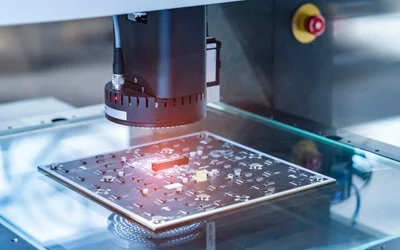
This article delves into the significance of PCB inspection, exploring the latest advancements, challenges, and various inspection techniques employed to safeguard the integrity and functionality of PCBs.
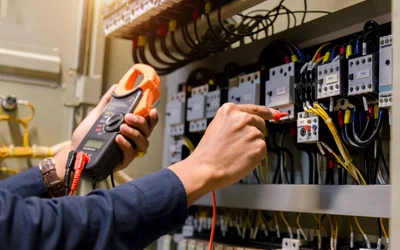
A guide that elaborates the types and applications of electrical testing, evolution of testing methods, technological advancements and the challenges associated with electrical testing with the growing industrial demands.

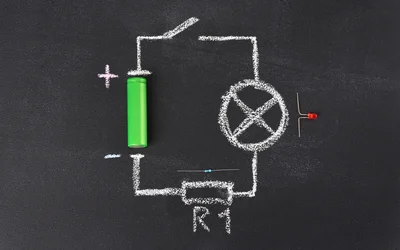
This guide offers an in-depth overview of different types of electric circuits, exploring their foundational concepts, common circuit layouts, specialized circuits, the latest technological advances, and their applications in real-life scenarios.
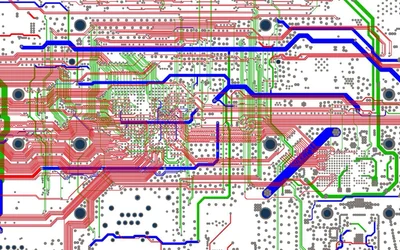
Unlock the secrets to enhancing electronic system performance through strategic PCB stackup configurations, crucial for ensuring signal integrity and mechanical stability.

A comprehensive exploration of open circuits, detailing their characteristics, detection methods, and the pivotal role they play in modern engineering systems.

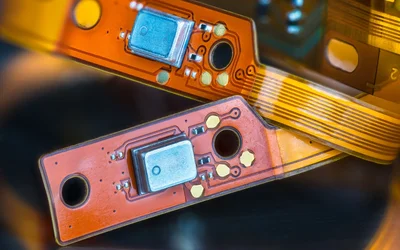
This article delves into the innovative world of flexible printed circuit boards, uncovering their design, advancements, and transformative role in modern engineering applications.
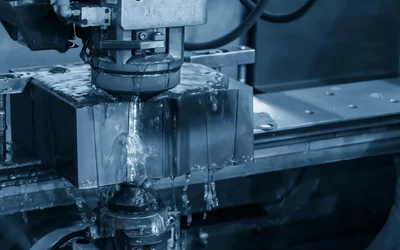
Wire Electrical Discharge Machining (Wire EDM) has revolutionized precision machining, empowering manufacturers to tackle with intricacies in aerospace, medical devices, and electronics. This latest technology pushes boundaries with its ability to create complex shapes and achieve point accuracy.
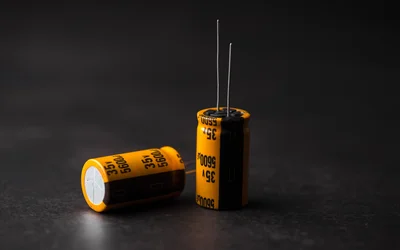
This guide explores the crucial factors in capacitor polarity, its mathematical analysis, identification, and advanced practices for improved circuit performance.

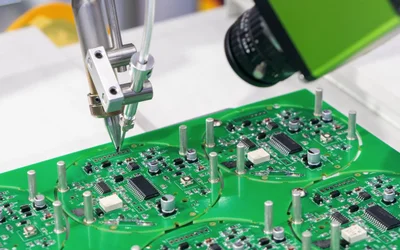
Explore the different types of solder, their unique properties, and their critical roles in various engineering applications. Understand how to choose the right solder for your project and the considerations involved.
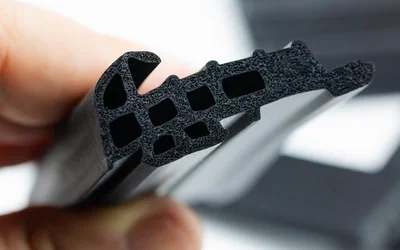
This article delves into the fundamentals of EMI gaskets, types, and their critical role in protecting electronic devices and ensuring optimal performance in various engineering applications.

Silicon Carbide (SiC) wafers are specialized materials employed in semiconductor technology, crafted from silicon carbide. This article explores the advent of silicon carbide (SiC) wafers and how it has opened up new possibilities in power electronics.

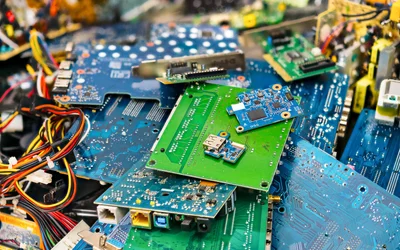
This article delves into the various types of printed circuit boards, their fundamental concepts, structures, manufacturing processes, and advanced PCB technologies, highlighting their advantages, limitations, and typical applications.
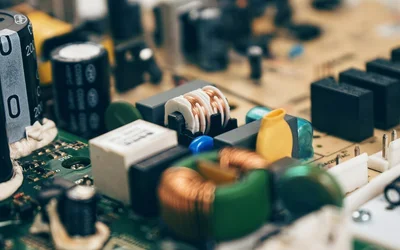
This article delves into the core variations between PMOS and NMOS, exploring their fundamentals, structural differences, operating principles, and practical applications.
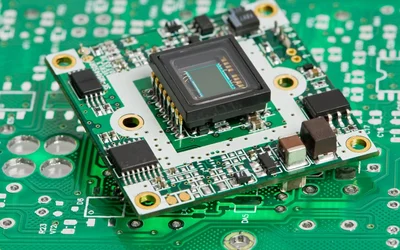
Circuit card assemblies (CCA) give birth to a complete printed circuit board (PCB) after assembling every component. A printed circuit board has no electrical components and needs to go through a manufacturing process called circuit card assemblies which are the complete board assembly.
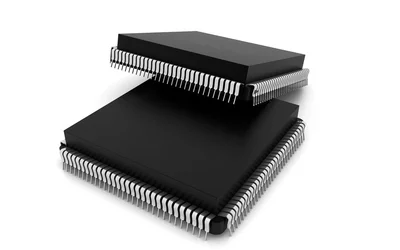
Integrated circuit (IC) package types encompass a range of protective enclosures designed to shield semiconductor components from physical damage and corrosion. This article explores the various classifications of IC packages, each tailored to specific requirements and applications.
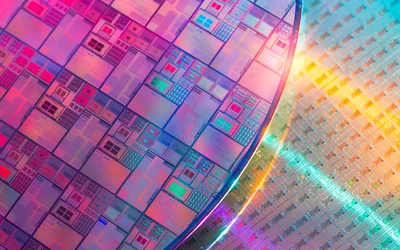
The combination of n-type and p-type semiconductors forms PN junctions, which are essential for the operation of electronic devices. This article explains these vital components and how they pave the way for the electronic devices we rely on every day.
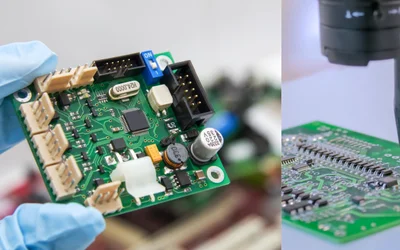
This comprehensive series delves into the fundamentals of PCB design, including design workflow, signal integrity, manufacturing, testing and debugging, advanced design techniques, and the latest software and tools available for PCB design.
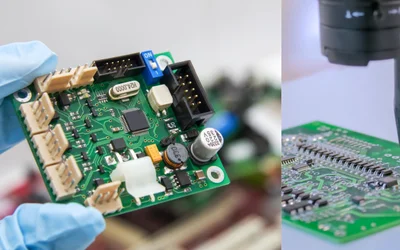
This comprehensive series delves into the fundamentals of PCB design, including design workflow, signal integrity, manufacturing, testing and debugging, advanced design techniques, and the latest software and tools available for PCB design.
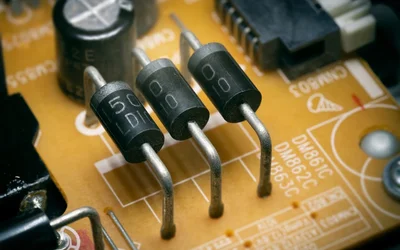
Understanding forward bias vs reverse bias configurations in diodes, exploring the theoretical aspects, implementation, applications, and considerations while noting the key differences between forward bias vs reverse bias operating modes in diodes.