




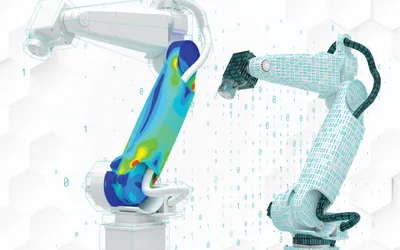
Digital twins, edge processing, and addressing bias are at the center of AI research and development.
Be the first to know.
Get our digital manufacturing weekly email digest.
Tagged with
digital manufacturing
ORGANIZATIONS. SHAPING THE INDUSTRY.
Latest Posts


When we choose what to buy, we usually look at the expiration date, brand, quality seals, ingredients, and price. But how do you know if the manufacturer is fully honest – or that the product was properly stored during shipping or while on the shelf?

4 minutes read

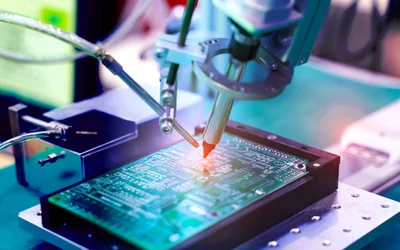
Solder flux has a large impact on final product quality. This article reviews how to use flux during soldering and how to decide on the right technology options for your project.

4 minutes read

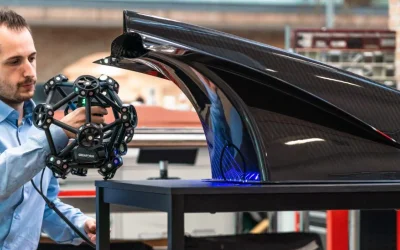
Built to perfection, Pagani Automobili combines beauty and attention to detail with the best racing technology

3 minutes read

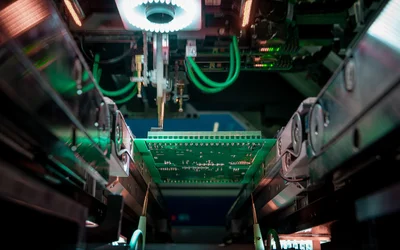
Your new PCBA project design needs to pass production validation testing (PVT) to prove it's ready for production. The planning you did for cost, quality assurance, quality control, and scalability now positions your project for success.
3 minutes read


KIT researchers are developing a process with which, for the first time, mirrors with a reflection of more than 99 percent can be printed in variable sizes

3 minutes read

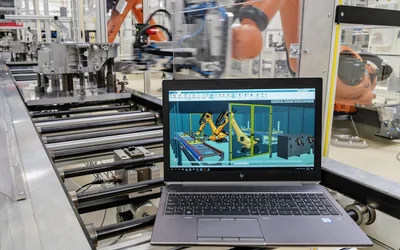
A brief guide to creating a digital twin with LoRaWAN® sensors.
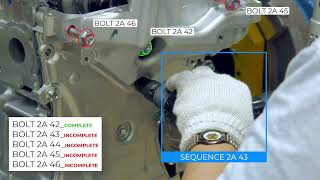
Deep-learning algorithms are enabling powerful video analytics. A practical use in manufacturing is monitoring human actions in manual operations. Some assemblies require specific torquing sequences, which can't always be tracked with traditional methods. AI-based Computer Vision advances quality management.

3 minutes read

Open and honest communication is crucial to a successful design. Product and engineering decision-makers need to work in sync.
4 minutes read

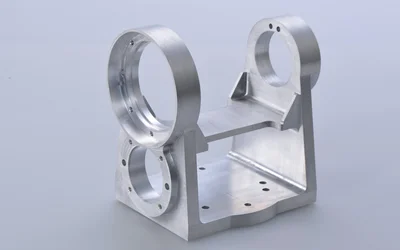
The smallest design decisions can have a significant impact on the cost of your CNC machined parts. Do you know how to reduce the cost by a few adjustments to your part design? Please have a look at the 5 design tips which contain processing hole, manufacturing surface and parts depth.


Stereolithography is an excellent choice for rapid prototyping and project designs that require the production of very accurate and finely detailed parts. It also offers a broad range of different materials with a range of tensile strengths, flexibility and elongation to break point.

4 minutes read

Polymateria are British innovators and inventors of the world’s first self-destructing plastic technology. The company approached Protolabs for digital manufacturing support in raising awareness of the issue and their ground-breaking technology that could ultimately help solve it.
7 minutes read

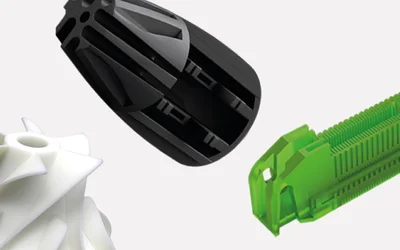
Compare injection-moulded thermoplastics to ‘thermoplastic-like’ materials in stereolithography
4 minutes read
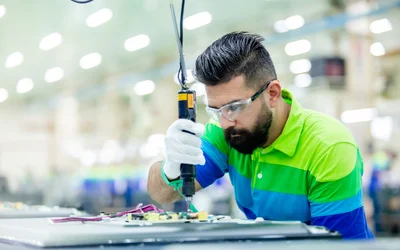
Try to use the standard parameters in your part design, and the same parameters should be as consistent as possible. Wonder why?

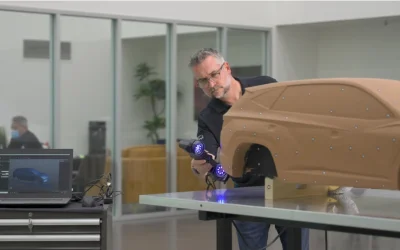
How Hyundai Design North America uses HandySCAN 3D for improving real-time design workflows
3 minutes read