Featured
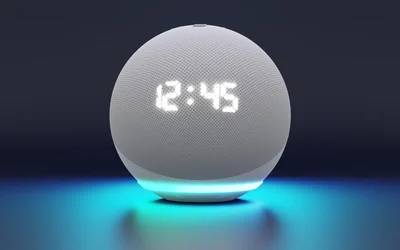
Remote working has changed the way we interact with our workspaces. Take a look at how IoT can deliver new solutions to the requirements for a modern smart workplace.

Remote working has changed the way we interact with our workspaces. Take a look at how IoT can deliver new solutions to the requirements for a modern smart workplace.
Remote working has changed the way we interact with our workspaces. Take a look at how IoT can deliver new solutions to the requirements for a modern smart workplace.
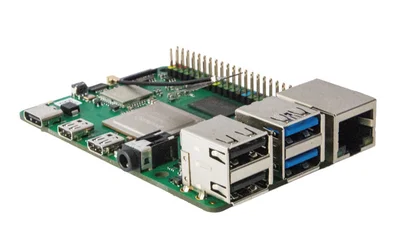
Article #6 Electronics Innovation Series. Engineers are turning to an edge computing model using SBCs to create more secure, high-performance IoT applications.
The COVID-19 global pandemic has caused incredible disruption to our society over the last 2 years, and unfortunately resulted in substantial loss of life. To date there have been 430 million diagnosed cases worldwide, with close to 6 million deaths being reported.
Exploring the design, development, connectivity, security, and more aspects of IoT devices
18 minutes read.
21 minutes read.
20 minutes read.
17 minutes read.
25 minutes read.
28 minutes read.

Electronics
Mouser Electronics is a worldwide leading authorized distributor of semiconductors and electronic components.
219 Posts

Semiconductors
Nordic Semiconductor is a fabless semiconductor company specializing in wir...
181 Posts
What a programmable automation controller is, how PACs are built and programmed, and how to choose between a PLC and a PAC.
Explore how low-power sensor gateways enable reliable, long-range data collection for remote and distributed industrial IoT assets.
A compact, battery-powered sensing platform that wirelessly brings environmental and equipment-condition data from locations where traditional monitoring is difficult or impossible.
A Cat 1 bis platform that provides engineers with a practical path for long-term Global connectivity.
Real-time water monitoring and leak detection just got streamlined thanks to the nRF9151 – Nordic's low-power cellular IoT solution
A Cat 1 bis platform that provides engineers with a practical path for long-term Global connectivity.
The G+D Single Pane of Glass Delivers Secure, Remote, SGP.32-Driven IoT Management
As AI moves from screens into real environments, reliable and always-on connectivity are becoming a safety and scale requirement.
Remote working has changed the way we interact with our workspaces. Take a look at how IoT can deliver new solutions to the requirements for a modern smart workplace.

5 minutes read
Article #6 Electronics Innovation Series. Engineers are turning to an edge computing model using SBCs to create more secure, high-performance IoT applications.
The COVID-19 global pandemic has caused incredible disruption to our society over the last 2 years, and unfortunately resulted in substantial loss of life. To date there have been 430 million diagnosed cases worldwide, with close to 6 million deaths being reported.

6 minutes read
Precision agriculture uses IoT for productive farming management. This article explains the development of a smart irrigation system to improve crop yield and save potable water in orchards.
4 minutes read
People using the Google Cloud IoT Core service to ingest data from their IoT devices will need to find alternatives as these connections will be shut down.
2 minutes read
Human activity, from climate change, pollution, and habitat destruction, to poaching, territorial conflict, and trophy hunting, has seen the IUCN’s list of endangered species balloon to more than 147,000 in recent years, with 41,000 species threatened with extinction.

4 minutes read
ML at the edge is the main target in many IoT applications today. Learn why it is important to build energy-efficient embedded devices, and how to achieve it using cutting-edge technologies.
Freezing Point’s innovation is the perfect demonstration of how the IoT can reinvigorate a retail market that’s in decline because little has changed in years. And sometimes for longer; in the case of the U.S. frozen beverages market, the status quo has existed since the 1950s.
4 minutes read
The digital collection of maintenance data — a huge volume of data — is, along with advanced analytic capabilities, the basis for establishing a successful predictive maintenance system. Big Data, coming from IIoT devices and into CMMS software, is changing the way we do industrial maintenance.
Article #8 of Power Management for Tomorrow’s Innovations Series: Power electronics converters with an efficiency of up to 95% and very low quiescent current can make the Internet of Things devices last for months together.
Article #4 of the Enabling IoT Series. Industrial enterprises are moving to a new approach to asset management, namely predictive maintenance by leveraging powerful new sensors and data.
IoT security can be addressed with embedded microcontroller units (MCUs).
During the pandemic, the IoT was pivotal in keeping countless businesses and organizations functional in a locked-down world. And it’s not an overstatement to say that before the arrival of vaccines, the IoT helped the world survive the pandemic.
6 minutes read
Article #3 of the "Why Edge?" Series. From soaring costs to dwindling resources, the energy and utility sectors face unprecedented challenges in the coming years.
While we live in an increasingly tech-focused world, we still face many of the same dangers and threats to our personal safety that we did centuries ago. How can we turn our technology to help mitigate those dangers?
3 minutes read