Featured
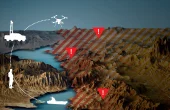
Vision is the cornerstone of every border surveillance platform. Pushing the boundaries of what we can see—from high ground and binoculars to electro-optics and infrared sensors—is the determining factor of a system’s efficacy.
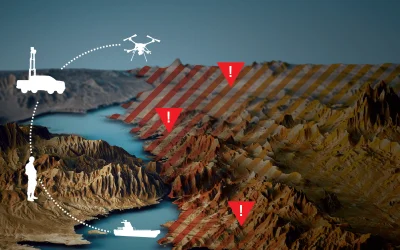
Vision is the cornerstone of every border surveillance platform. Pushing the boundaries of what we can see—from high ground and binoculars to electro-optics and infrared sensors—is the determining factor of a system’s efficacy.
Vision is the cornerstone of every border surveillance platform. Pushing the boundaries of what we can see—from high ground and binoculars to electro-optics and infrared sensors—is the determining factor of a system’s efficacy.
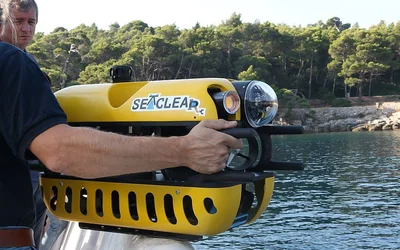
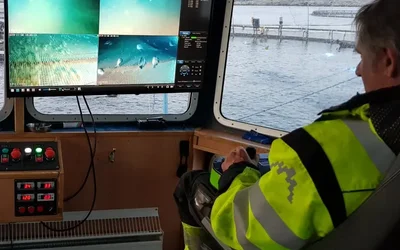
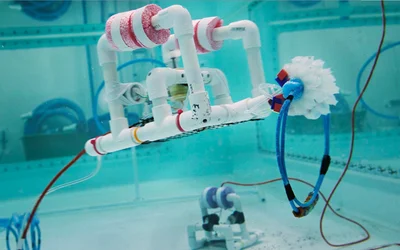
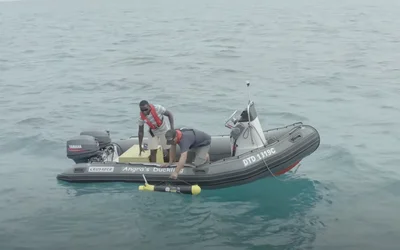
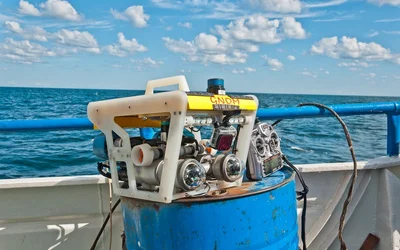
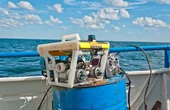
Removing litter from oceans and seas is a costly and time-consuming process. As part of a European cooperative project, a team at the Technical University of Munich (TUM) is developing a robotic system that uses machine learning methods to locate and collect waste under water.
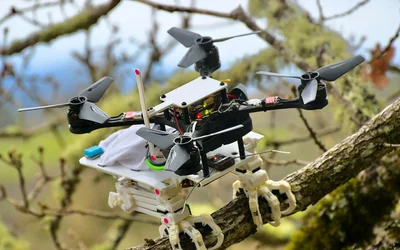
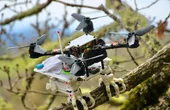
In this episode, we talk about how starfish larvae inspired robots can revolutionize drug delivery and drones with flacon-like legs for landing.
Unveiling the Duel of Digital Design - A Comprehensive Exploration of History, Syntax, and Applications of the two popular hardware description languages

Robotics and Drones
We empower R&D by providing the computational power, ROS packages, payloads & functionality for your unique use case.
14 Posts

Drone Fleet Management Software
Cloud Ground Control is a cloud based command and control solution for oper...
7 Posts
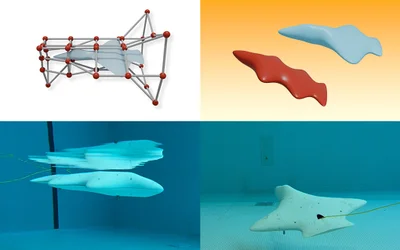
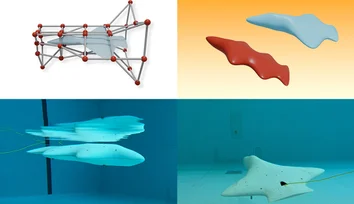
An AI pipeline developed by CSAIL researchers enables unique hydrodynamic designs for bodyboard-sized vehicles that glide underwater and could help scientists gather marine data.
A spherical prototype with "nimble dimples" can change its surface from smooth to dimpled, cutting through drag and generating lift.
Helping Maintain Stable Position in Fast-Moving Waters
Launched by MIT Sea Grant, SeaPerch and SeaPerch II have had a big impact on young learners interested in ocean science and engineering.
How to Maximize Your Robot Without Blowing Your Budget
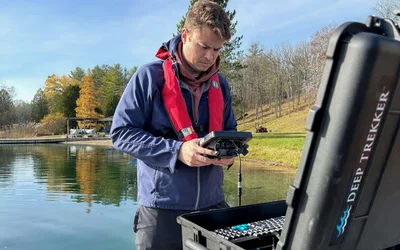
Discover how Deep Trekker rigorously tests and evaluates IMU technologies, comparing MEMS and FOG systems to ensure precise underwater navigation for ROVs.
Vision is the cornerstone of every border surveillance platform. Pushing the boundaries of what we can see—from high ground and binoculars to electro-optics and infrared sensors—is the determining factor of a system’s efficacy.
Removing litter from oceans and seas is a costly and time-consuming process. As part of a European cooperative project, a team at the Technical University of Munich (TUM) is developing a robotic system that uses machine learning methods to locate and collect waste under water.
In this episode, we talk about how starfish larvae inspired robots can revolutionize drug delivery and drones with flacon-like legs for landing.

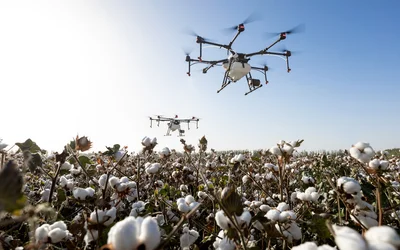
In this episode, we talk about how robotic systems are being leveraged to assist farmers in streamlining their operations.
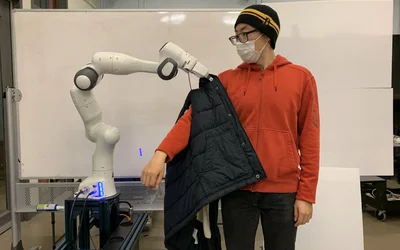
In this episode, we talk about how TUM researchers are trying to model the effects of climate change on forest fires using a neural network, why robots assisting with getting dressed is more challenging than it seems, how drones are being used to evacuate elderly in nursing homes during emergencies.
2 minutes read
Yasuhide “Yasu” Yokoi is the cofounder of design and technology firm Final Aim Inc., which works with laboratories, startups, and multinational companies to transform ideas into tangible solutions.

3 minutes read
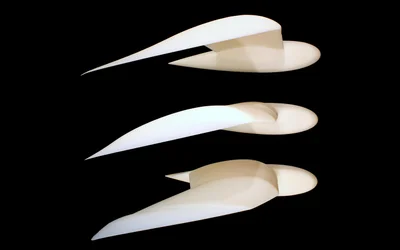
In this episode, we talk about UMich’s new aircraft wings that mimic birds, MIT research that aims to deploy digital twins at scale, and how NASA is repurposing an old weather satellite to monitor microplastic pollution.
Engineers at EPFL have developed a predictive control model that allows swarms of drones to fly in cluttered environments quickly and safely. It works by enabling individual drones to predict their own behavior and that of their neighbors in the swarm.

2 minutes read
with Xsens MTi

4 minutes read
In this episode, we talk about Charm Industrial’s novel approach for carbon offsetting, a concept fitness drone from Hongik University that could be the first to commercialize, and a joint effort between MIT and US Navy to understand how sound waves are altered by water conditions in the North Pole.
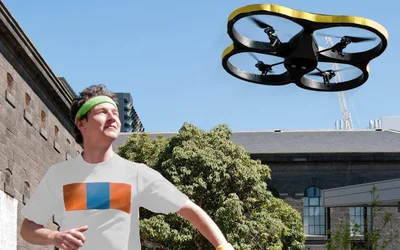
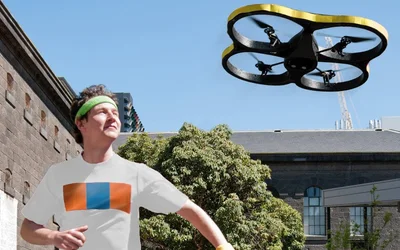
The intersection of drones and wearables is opening the doors to the market of fitness drones
with Xsens MTi
3 minutes read
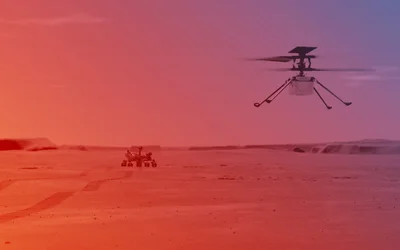
In this episode, we talk about Ford and HP’s partnership to enable a more sustainable manufacturing process, NASA’s Ingenuity drone, and a joint effort to prevent fall-related deaths by creating snake inspired no slip shoes.
In this webinar (July 2020) we take the first public in-depth look at the Reach Bravo underwater robotic arm system and answer attendees questions.

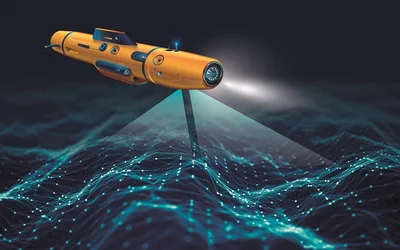
In the new DeeperSense project, an international consortium led by the German Research Center for Artificial Intelligence (DFKI) is working on technologies that combine the strengths of visual and acoustic sensors with the help of artificial intelligence.