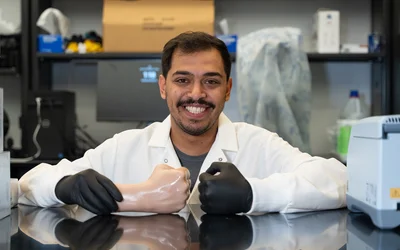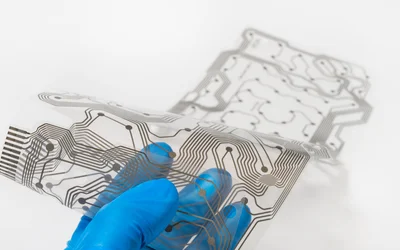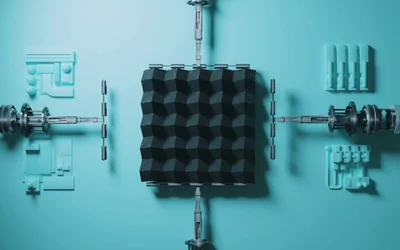
Springs, squeegees and soda straws function with a common property — they are rigid in one direction and flexible in another. Structures like these, with properties that vary across dimensions, have played critical roles in human technology from the longbow to the booster rocket.
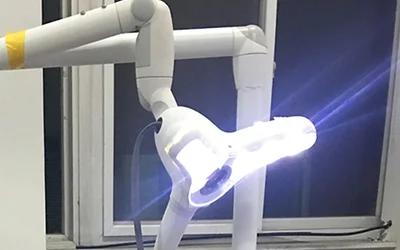
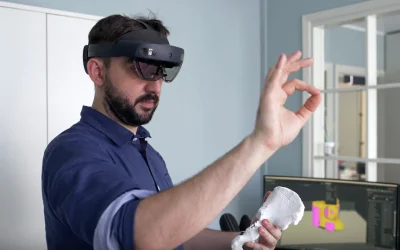
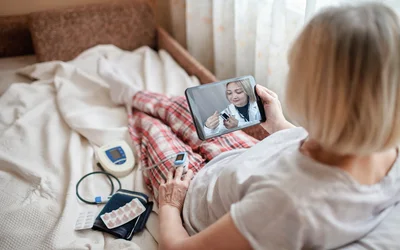
Digitization and informatization of medical imaging equipment provide reliable help to remote medical diagnosis and treatment by means of internet technology, improve medical diagnosis and treatment in remote and out-of-step areas, carry out remote operation with surgical robots
A microbial fuel cell turns the metabolism of living bacteria into an electrical current. This guide covers the electrochemistry, microbiology, materials, real performance numbers from pilot plants, and the economics that still keep the technology out of mainstream power generation.
In this episode, we explore the engineering behind Unitree's newest boxing robot demo, the history of humanoid robots, and why robotics might create a new F1-esque sport in the combat sports realm.
Unitree 1.8m H2 Humanoid Robot, A Combat Sparring Test. H2's knee strike lifts G1 off the ground. This is to validate the overall reliability of the robot, please do not attempt to replicate this. Please use robots in a friendly manner.
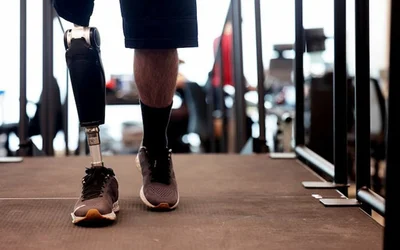
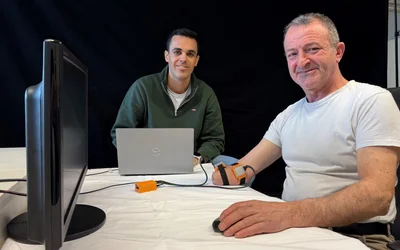
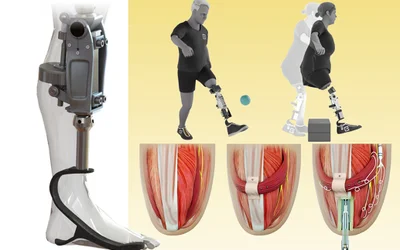
The human determinants of research are key for making progress, as championed by amputee Massimo Munzi who is helping improve prosthetics, as well as EPFL's neuroprosthetic researcher Jonathan Muheim.
Springs, squeegees and soda straws function with a common property — they are rigid in one direction and flexible in another. Structures like these, with properties that vary across dimensions, have played critical roles in human technology from the longbow to the booster rocket.
Digitization and informatization of medical imaging equipment provide reliable help to remote medical diagnosis and treatment by means of internet technology, improve medical diagnosis and treatment in remote and out-of-step areas, carry out remote operation with surgical robots
The careful study of materials for 3D printed medical models has enabled Medics to simulate bone structure in prototypes, offering physicians the most realistic, highly customized simulation possible, and at the same time, eco-friendly and with a simplified storage and refill process.
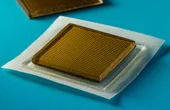
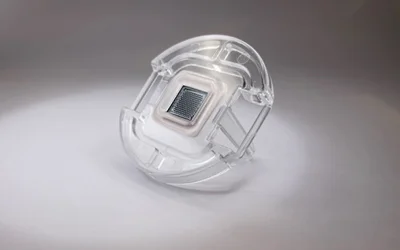
As wearable electronic devices continue to be more prevalent, it becomes an ever-greater challenge for companies that manufacture them to keep their competitive edge. It is vitally important for manufacturers that each device is effective, cost-efficient and reflects the highest quality available.
As a physicist and ‘real techie’, Sofie Baselmans dedicated her career to creating healthcare technology. Always searching for the ‘perfect’ workplace, she worked in a hospital and in several corporate environments.
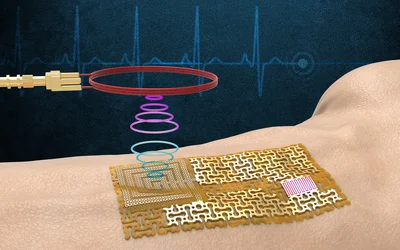
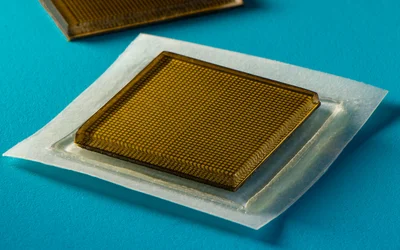
In this episode, we talk about how researchers are developing a sticker that can conduct ultrasound tests along with a machine learning powered robotic solution for choosing chemical proteins when developing new drugs and biofuels or recycling plastics.
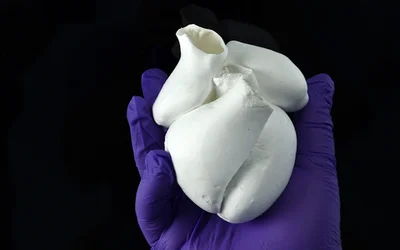
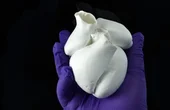
In this episode, we talk about how researchers are developing tools to better understand how different microbial communities impact our health in an effort to reverse engineer them and the critical methodology used to 3D print functional heart ventricles.
Having initially developed the blood sampling product, Ascilion found the guidance from the Protolabs Team invaluable. Advice on the choice of materials and iterations to the design meant the prototype was optimised for injection moulding. Saving time and costs.
Production of a device developed in collaboration with Protolabs to facilitate faster recovery from sporting head injuries has kicked up a gear following its entry into the English Premier League.
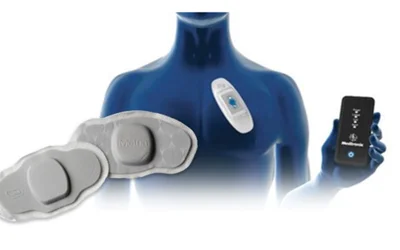
Article #7 of Improving Lives with Digital Healthcare Series: Real-time monitoring of multiple physiological health parameters can be an effective way of preventing and early diagnosis of several diseases.
Article #5 of Improving Lives with Digital Healthcare Series: Intelligent software, wireless connectivity systems along with developments in flexible circuits have enabled electronic part manufacturers to provide OEMs the support required to implement better medical solutions.
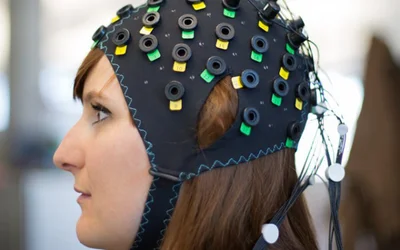
Article #4 of Improving Lives with Digital Healthcare Series: Transferring information directly between the human brain and a computer can unlock the possibilities of using machines as extended parts of the human body.