Featured
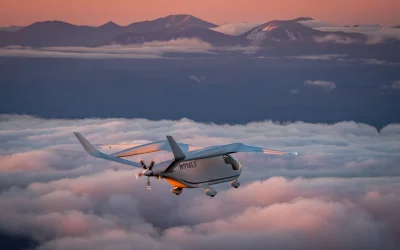
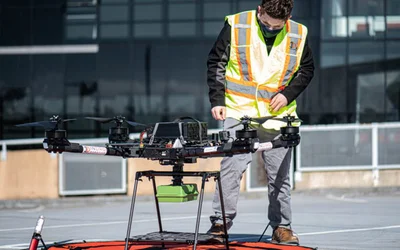
Experiencing the Future of Electric Aviation

This white paper explains how precision timing solutions support reliable PNT architectures across aerospace, defense, and industrial systems.
Experiencing the Future of Electric Aviation
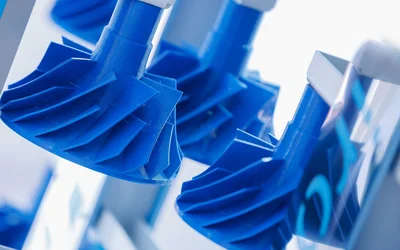
New research enables computer designs to incorporate the limitations of 3D printers, to better control materials' performance in aerospace, medical, and other applications.
JR Hammond and CAAM advocate the path toward Canada's Advanced Air Mobility Future.
Lidar SLAM lets a robot, vehicle, or handheld scanner map an unknown space while tracking its own position inside it. This guide discusses the processing pipeline, compares nine lidar SLAM and odometry algorithms, from GMapping to lidar-inertial and neural methods, and shows how to choose sensors
16 minutes read.

Aerospace
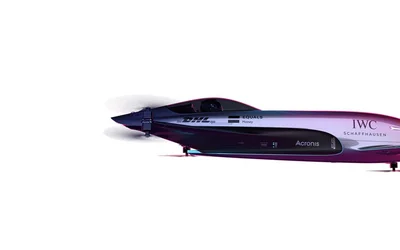
Airspeeder is the world’s first racing series for electric flying cars. Our mission will accelerate eVTOL (electric vertical tak...
26 Posts

Robotics and Drones
We empower R&D by providing the computational power, ROS packages, payloads...
14 Posts

Drone Fleet Management Software
Cloud Ground Control is a cloud based command and control solution for oper...
7 Posts

Automation Machinery Manufacturing
Addcomposites is the provider of the Automated Fiber Placement (AFP) ecosys...
5 Posts
Learn why growing hardware teams slow down as they scale, and how aligned workflows, parallel collaboration, and real-time design visibility restore speed and momentum.
How standardized electronic identification will enable high-volume, complex drone operations.
In this episode, we explore how the mechanics of bird wings are inspiring new approaches to prevent airplanes from stalling and learn how bio-mimetic designs from nature are paving the way for innovations in aviation, enhancing stability and safety for future flights.
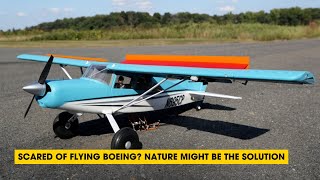
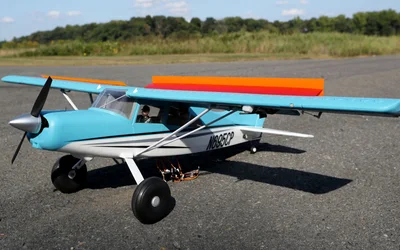
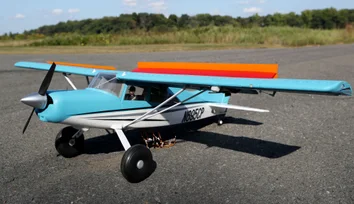
Taking inspiration from bird feathers, Princeton engineers have found that adding rows of flaps to a remote-controlled aircraft’s wings improves flight performance and helps prevent stalling, a condition that can jeopardize a plane’s ability to stay aloft.
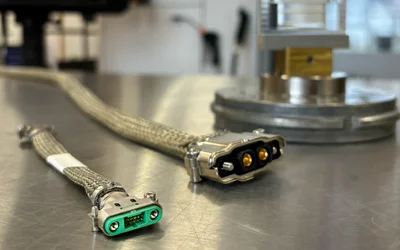
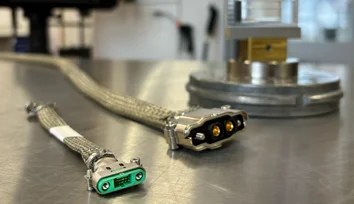
How does connector design influence UAV performance in demanding environments? Harwin explores high-reliability connectors for next-generation UAVs.
An interview with Ryan Smart, VP of Product at Harwin, discussing the challenges of shielding in high-reliability connectors, high-current design trends, and the hybrid power-and-signal connector layouts.
Adding Intelligence to Radar with the BrainChip Real-Time Micro-Doppler Classification
CBC Interview: InDro Robotics CEO Philip Reece on the New Federal Budget & Technology
Experiencing the Future of Electric Aviation

6 minutes read
New research enables computer designs to incorporate the limitations of 3D printers, to better control materials' performance in aerospace, medical, and other applications.
JR Hammond and CAAM advocate the path toward Canada's Advanced Air Mobility Future.
5 minutes read
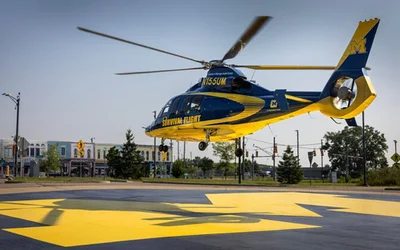
The newly designated airspace links U-M's autonomy testbed with Detroit's innovation district.

5 minutes read
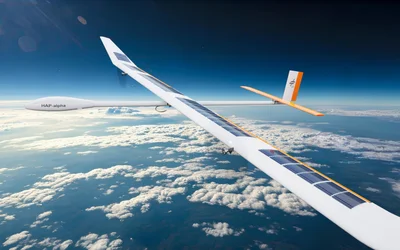
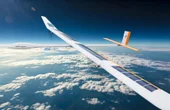
High-altitude uncrewed aircraft can remain in the lower stratosphere for extended periods, performing a wide range of Earth observation and communications tasks – from monitoring shipping lanes and supporting disaster response to providing internet access.

3 minutes read
On-site printing of lightweight PSU fillers slashes carbon impact and supply chain complexity—Finnair now sources spare parts locally in Dubai, Singapore, and beyond.

2 minutes read
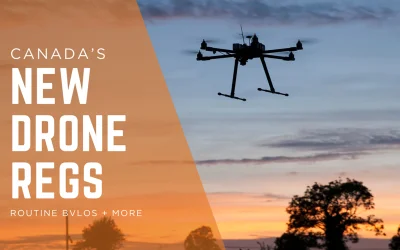
What the new drone regulations mean for you and your drone operations.
5 minutes read
Flight ticket prices could rise by 50 percent if aviation is made climate-neutral. This is an estimate from a new study by researchers at ETH Zurich. It is based in particular on the use of synthetic fuels.

4 minutes read
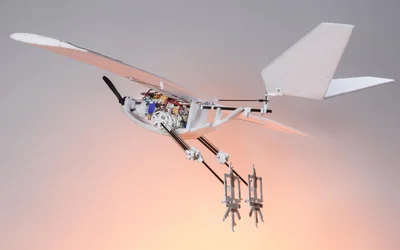
EPFL researchers have built a drone that can walk, hop, and jump into flight with the aid of birdlike legs, greatly expanding the range of potential environments accessible to unmanned aerial vehicles.

3 minutes read
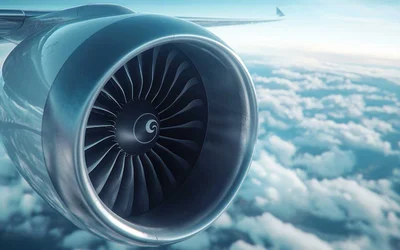
Hydrogen-powered planes are set to take wing around the world in the future. To make this possible, engineers have to develop the jet engines that will power them. Experiments by researchers at ETH Zurich are now providing the necessary basis for making these engines powerful and durable.
4 minutes read
In this episode, we explore how the mechanics of bird wings are inspiring new approaches to prevent airplanes from stalling and learn how bio-mimetic designs from nature are paving the way for innovations in aviation, enhancing stability and safety for future flights.

16 minutes read
NAV Canada Update
6 minutes read
In this episode, we explore how AI can help aerial vehicles adjust to extreme turbulence in real-time and enhance safety/stability, even in challenging driving conditions.
16 minutes read
Taking inspiration from bird feathers, Princeton engineers have found that adding rows of flaps to a remote-controlled aircraft’s wings improves flight performance and helps prevent stalling, a condition that can jeopardize a plane’s ability to stay aloft.

4 minutes read
Exploring strategic partnerships and showcasing cutting-edge robotic technologies, InDro Robotics and Cypher Robotics attend pivotal trade discussions to expand their global impact.
6 minutes read