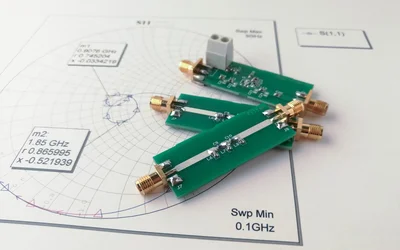
A guide covering the full radio-frequency design workflow, starting from setting specifications and choosing topologies to matching, simulation, layout, and verification, to help antenna engineers.
Technical Guides
Latest Posts
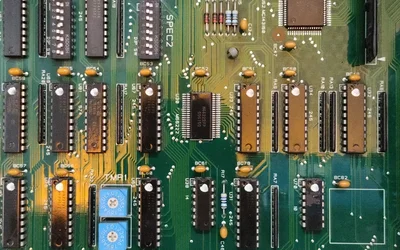
A reference covering D latch logic, circuit design, timing, and real-world digital applications.

Explore IoT security solutions with insights into the threat landscape, secure architectures, and best practices for engineers building resilient connected systems.


Practical and architectural insights into IoT gateways, including edge versus cloud placement, protocol translation, data aggregation, hardware designs, and deployment patterns for industrial IoT.

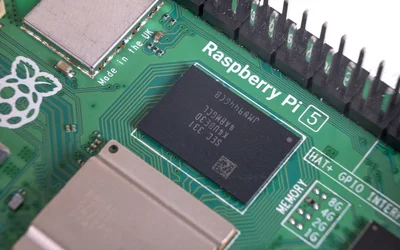
Understanding the signal names, numbering schemes, electrical limits and software control of the Raspberry Pi 5 general purpose input/output (GPIO) header empowers hardware and digital design engineers to build robust embedded solutions.
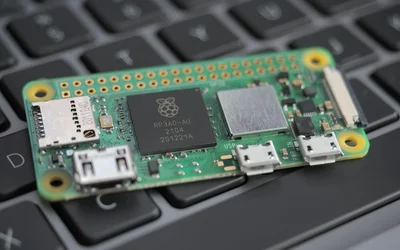
The Raspberry Pi Zero 2W features a quadcore 64 bit processor and builtin wireless in a tiny footprint. Its 40 pin header provides engineers with a flexible interface for embedded applications. This guide explores the theory behind the pinout and offers practical guidance for learners.
A comprehensive guide to half adder circuits for engineers and technical learners. Learn the theory behind half adders, explore truth tables, logic expressions, K maps, implementations with Logic gates, TTL/CMOS ICs, Verilog modelling, propagation delays, design strategies, and applications.

Understanding the differences between Modbus RTU and Modbus TCP/IP is essential for designing reliable and scalable control systems. This indepth guide compares the serial and Ethernet variants of the Modbus protocol, explains their strengths and weaknesses, and provides practical advice for engine

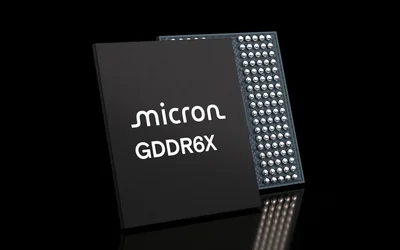
Discover key differences in GDDR6 vs GDDR6X memory: compare bandwidth, power efficiency, signaling methods, and design trade-offs for advanced GPU architectures.
A comprehensive technical comparison of low-pass and high-pass filters, covering how each works, practical circuit implementations, and when to use them in electronics and signal processing.

An insight into one of the most futuristic designs for power, data transfer, and communication. Find out the essentials of USB-C type pinout, its use cases, architecture, and implementation in modern computing devices

Master the language of electronics by learning to interpret schematic diagrams, from basic symbols and conventions to complex circuit analysis.
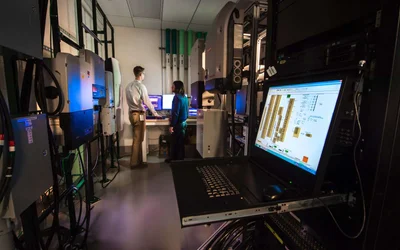
Unexpected shutdowns? Costly errors? SCADA systems are the solution industries rely on to stay in control. Let's understand how this system allows owners to run industries through PLCs, RTUs, and other field devices, allowing them to make smarter decisions in real-time

This article explores a vital power-saving technique in digital design, covering core concepts, implementations, and the differences between fine-grained, coarse-grained, and software-controlled methods. Learn why clock gating is crucial for energy efficiency, its applications in diverse systems.

Owing to its simple and straightforward nature, Modbus RTU is the engineer and technician's go-to protocol in industries such as manufacturing, energy, and transportation. Understanding Modbus RTU is crucial for seamless communication between electronic devices and optimizing system performance.

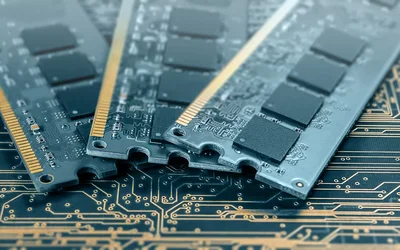
A comprehensive technical analysis comparing High Bandwidth Memory 2 (HBM2) and GDDR6 memory architectures, examining architectural differences, performance metrics, and system integration considerations. Essential reading for system architects working with high-performance computing systems.

Understanding the role of programmable automation in the field of industrial applications, its architecture, implementations, benefits, and standing amongst other types of industrial automation techniques.


Have you considered how modern communication systems, like GSM networks, satellite communications, and broadcasting, manage multiple signals with precision? RF diplexers and duplexers make seamless signal sharing and optimal performance possible. Let’s explore the technology in this article.

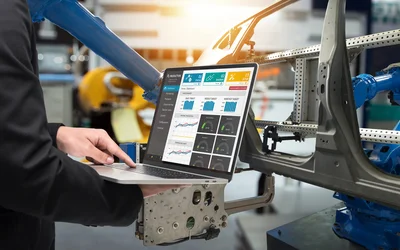
This article delves into the essentials of ICS, exploring the key types of industrial control systems, cutting-edge innovations, real-world applications and their critical analysis.

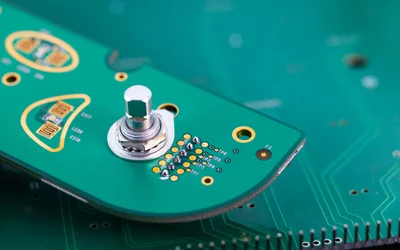
This article explores the principles behind optical encoders, their types, and their advantages, highlighting how they enhance performance, ensure accuracy, and meet demanding standards in complex control environments.

Industrial process automation is changing manufacturing by using technology to reduce the need for human involvement. From robots assembling products to smart systems managing inventory, factories are being transformed. This article will explore the successful elements behind industrial automation.

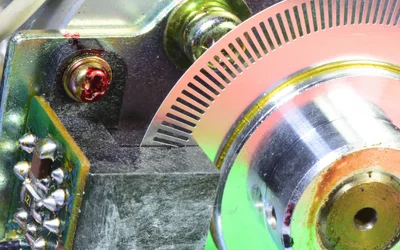
Delve into the basics of absolute encoders, its applications, advancements in technologies, calibration techniques, and the advantages over encoder types.

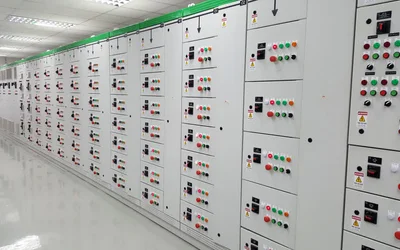
A deep dive into the basics of MCC buckets, architecture, applications, and challenges associated with the implementation of MCC buckets in varying industrial infrastructures.

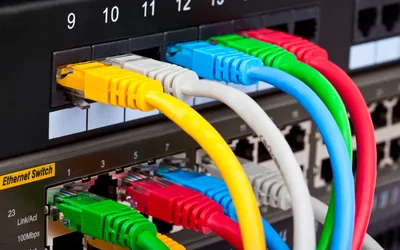
Optimizing Network Design and Performance through Strategic Hardware Selection


Evolution and Selection of Power over Ethernet (PoE) Standards for Modern Network Infrastructure