This guide covers what is inside a servo drive, how its nested servo loops behave, how EtherCAT and CANopen interfaces change the architecture, and how to size, tune, and safely commission one.
Be the first to know.
Get our closed loop control weekly email digest.
Tagged with
Closed-Loop Control
Latest Posts
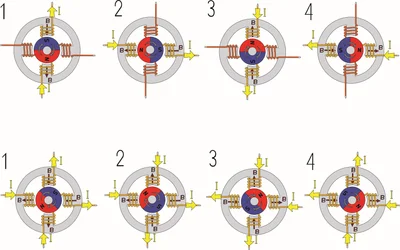
How microstepping works in stepper motors, the incremental torque cost of each resolution, and why finer microsteps do not improve positioning accuracy.
How closed-loop stepper motors use encoder feedback to eliminate missed steps, plus driver design, NEMA sizing, and when to choose a servo instead.
This article explains how a servo motor works, its construction, control loops, encoder and resolver feedback, AC and DC types, sizing math, and tuning fixes.

A phase-locked loop keeps one oscillator locked to another. This guide covers the building blocks and the loop dynamics for a stable design.

Design, wire, protect, and troubleshoot motor starting systems.

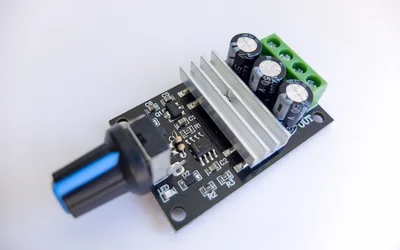
This article explains practical DC motor speed control techniques for both brushed and BLDC systems, covering design principles, control methods, and engineering considerations behind reliable motor speed control.
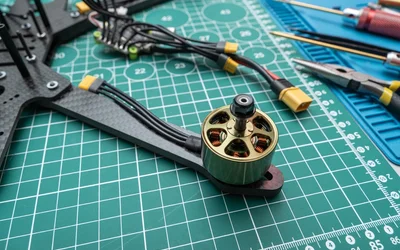
This article is a practical guide to motor speed control, covering PWM duty control, VFDs, scalar control, vector control, and field-oriented control for DC, BLDC, induction, PMSM, stepper, and servo motor systems.
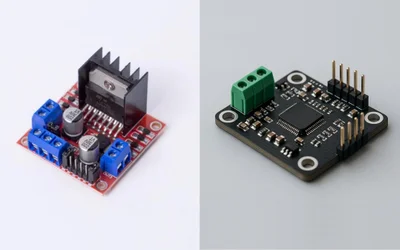
This article provides a comprehensive overview of motor controllers, covering definitions, types, control strategies, design considerations, selection guidelines, and emerging trends.
An in-depth guide on PID explained – covering the theory behind Proportional-Integral-Derivative control, how each PID component works, methods to tune PID controllers, and practical Python examples for implementation.
This article delves into the essentials of ICS, exploring the key types of industrial control systems, cutting-edge innovations, real-world applications and their critical analysis.
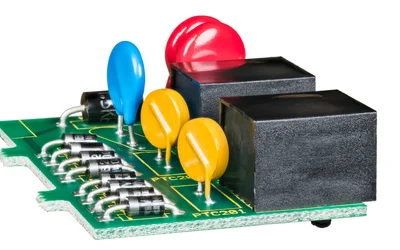
The unsung hero of temperature sensing in modern electronics. NTC thermistors are revolutionizing precision measurement across industries. Discover how these tiny components are making a big impact in engineering and technology.
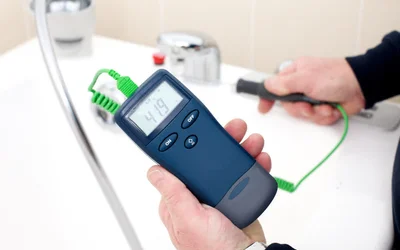
Navigating the differences between thermistors and thermocouples can be pivotal for engineers seeking precision in temperature measurement. This guide delves into their unique properties, advancements, and applications to help you make an informed decision.

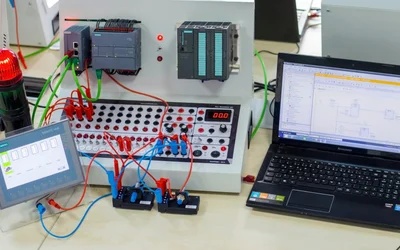
In this article, we'll see how PLC and SCADA systems differ, how they work together, and which protocols, scan times and security controls matter in industrial automation.
Modern industrial automation demands robust and reliable control systems. Ladder logic programming is a cornerstone of PLC-based automation, combining traditional relay logic with advanced digital capabilities. This guide explores everything engineers should know about ladder logic programming