
BrainChip AkidaTag Reference Platform addresses how always-on intelligence can run locally, continuously, and efficiently within strict power budgets.
Be the first to know.
Get our battery life weekly email digest.
Tagged with
Battery life
ORGANIZATIONS. SHAPING THE INDUSTRY.
Latest Posts

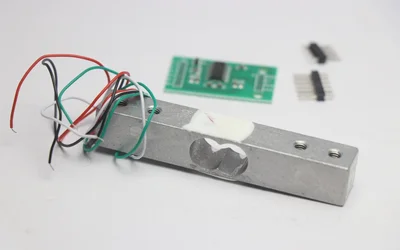
This article explains how load cells work, the main types, what accuracy specs and OIML/NTEP classes mean, and best practices for sizing, wiring, and installation.


Explore battery degradation in lithium-ion cells, from SEI growth and lithium plating to SOH, fleet data, and life-extension strategies.

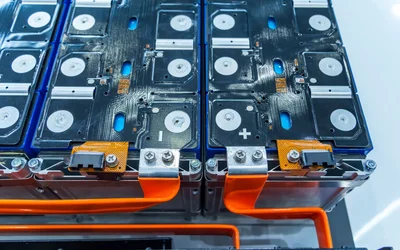
Understanding cell chemistry, safety, energy density, and manufacturing realism.


This article explains lithium-ion battery fires, thermal runaway risks, prevention steps, safe handling, storage, and recycling guidance.

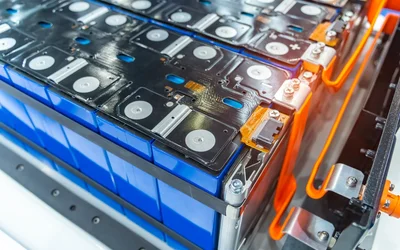
Engineering tradeoffs for cost, safety, cycle life, and system design.

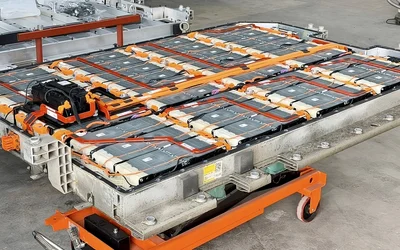
Engineering principles, BTMS architectures, and design tradeoffs.

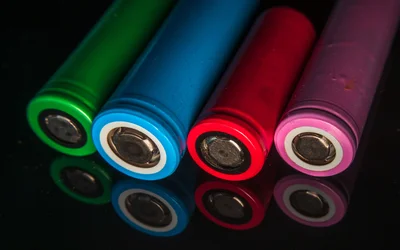
Understanding the key differences between the two high-in-demand battery types. This article focuses on Energy density, lifespan, safety, and cost trade-offs for the technical selection of Li-Ion and LiFePO4 batteries.

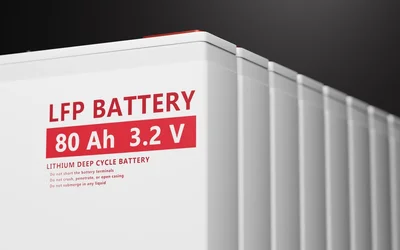
This article explains what is LiFePO4, how lithium iron phosphate batteries work, their safety benefits, cycle life, BMS requirements, applications, and key differences from lead-acid and other lithium-ion chemistries.

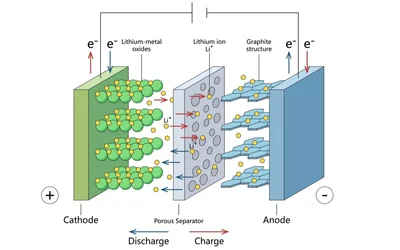
This article explains how to charge a Lithium-Ion battery safely and efficiently by covering charge profiles, voltage thresholds, current ratings, temperature derating, fast-charging limits, storage practices, and common design mistakes.

Learn how edge AI in wireless vibration sensors improves machine health monitoring, extends battery life, and enables smarter predictive maintenance in factories.

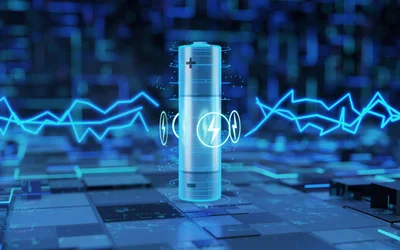
Battery life has quietly become one of the defining constraints of modern electronics.


Converter, Architecture, and Regulation Solutions from Semtech

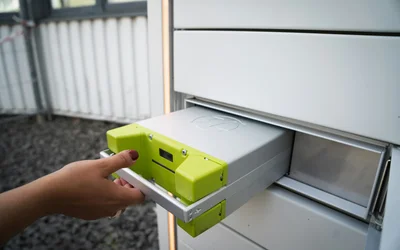
New technology from Reeja Jayan in the department of mechanical engineering at Carnegie Mellon University extends battery life cycle by 10x, reduces charging time, and improves operating safety.

2 minutes read

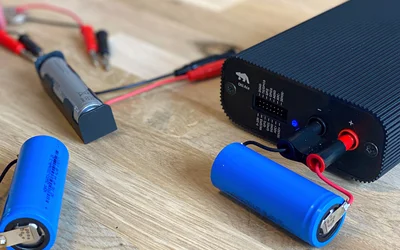
The Internet of Things (IoT) is revolutionizing industries through connectivity and automation, but underestimated battery life costs can significantly inflate the total cost of ownership (TCO) over time.

4 minutes read