
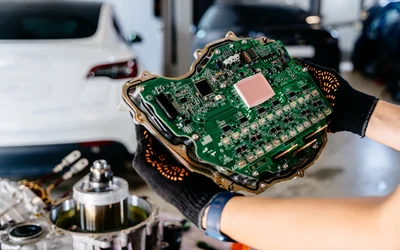
This article provides a comprehensive technical comparison of CAN vs LIN, examining their architectures, use cases, and performance trade-offs.
Be the first to know.
Get our automation weekly email digest.
Tagged with
automation
ORGANIZATIONS. SHAPING THE INDUSTRY.


READY Robotics
Robotics & Automation
READY Robotics is a robotics software company that vastly simplifies robot ...
24 Posts

Avestec Technologies
Automation Machinery Manufacturing
We are a company in flying robotics, specializing in Non-destructive inspec...
23 Posts

Adapta Robotics
Robotics, R&D
Automate Advance Adapt. Enhancing human potential through robotic automatio...
12 Posts
Latest Posts

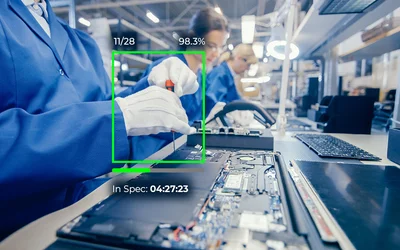
Matroid's no-code computer vision platform leverages an intuitive 'detector studio' to accelerate deployment - no coding skills required.

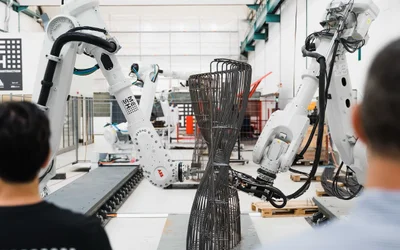
The technology of ETH Zurich spin-off MESH allows for new shapes and was used for the Tor Alva in Mulegns, among others. And it makes construction more efficient, for example in prefabrication for the second Gotthard road tunnel.

3 minutes read
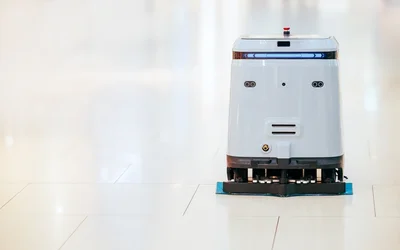
Utility robots can't always count on GNSS, especially in dynamic, busy environments like cities or industrial settings. By combining data from multiple sensors, Fixposition shows how sensor fusion can help robots stay on track and work reliably in the real world.
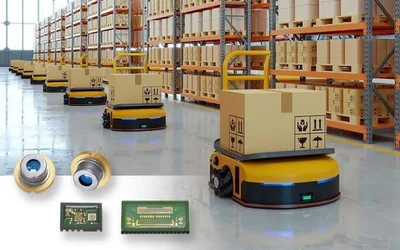
Enabling precision, efficiency, and miniaturization in industrial automation through advanced photonics.

Accelerate production, reduce downtime, and gain a competitive edge by integrating on-demand digital manufacturing into your operations.

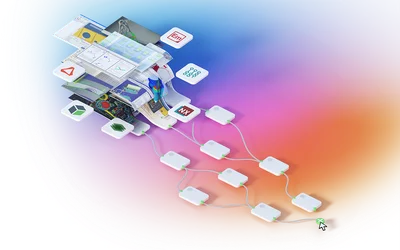
Lack of process efficiency is a serious problem in engineering. It causes additional costs and cripples innovation. In this article series, we explore ways of automating engineering tasks that yield business results.

8 minutes read

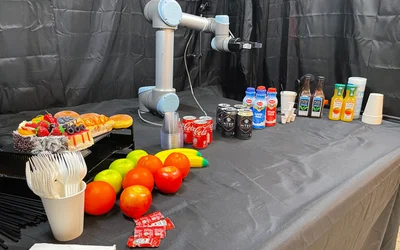
A new approach could enable intuitive robotic helpers for household, workplace, and warehouse settings.

Revolutionizing the Factory Floor

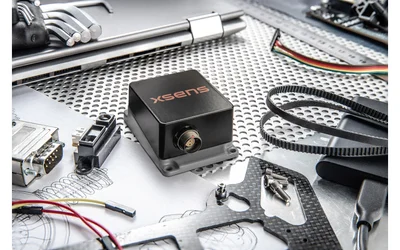
Extreme temperatures, vibrations, and electromagnetic interference can disrupt sensor performance. The Xsens Sirius Series offers a solution with its accuracy and reliability, even in the most demanding conditions.
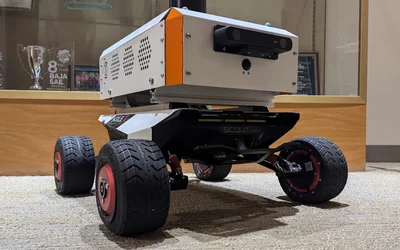
Safe autonomy in various vehicle systems and in uncertain conditions.

4 minutes read

Distance image sensors utilize the indirect time-of-flight (TOF) technique to precisely determine the range to a target object. By emitting pulse-modulated light, these sensors capture reflected signals and process the information in real time.

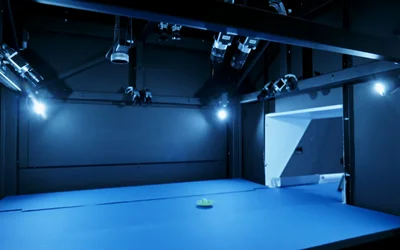
This article explores AM-Quality, the world’s first in-line quality control solution, designed to provide the speed, precision, and scalability at the heart of AM-Flow’s vision.

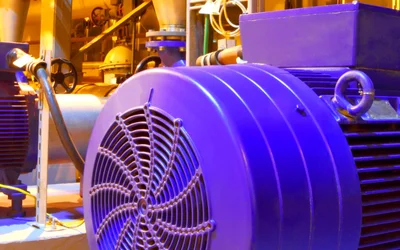
Electrical motors are vital components in various industrial and household appliances. They transform one form of energy (electrical) into another (mechanical) to perform essential tasks.


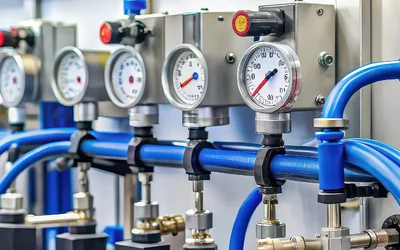
It’s no secret that we live in a world of climate change and environmental stresses. Not only nature itself but society is challenging us to press for sustainable development while at the same time maintaining our economic edge.