Featured
Optimizing Network Design and Performance through Strategic Hardware Selection
Optimizing Network Design and Performance through Strategic Hardware Selection
Optimizing Network Design and Performance through Strategic Hardware Selection
Nordic supports cellular IoT asset tracking applications by supplying an end-to-end cellular IoT platform which brings simplicity, stability and cost efficiency to cellular IoT design, manufacture and deployment.
Ensuring Connectivity in Complex Environments
Exploring the design, development, connectivity, security, and more aspects of IoT devices
18 minutes read.
21 minutes read.
20 minutes read.
17 minutes read.
25 minutes read.
28 minutes read.

Electronics
Mouser Electronics is a worldwide leading authorized distributor of semiconductors and electronic components.
219 Posts

Semiconductors
Nordic Semiconductor is a fabless semiconductor company specializing in wir...
181 Posts
What a programmable automation controller is, how PACs are built and programmed, and how to choose between a PLC and a PAC.
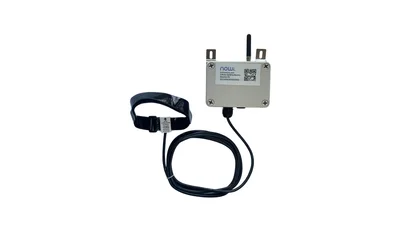
Explore how low-power sensor gateways enable reliable, long-range data collection for remote and distributed industrial IoT assets.
A compact, battery-powered sensing platform that wirelessly brings environmental and equipment-condition data from locations where traditional monitoring is difficult or impossible.
A Cat 1 bis platform that provides engineers with a practical path for long-term Global connectivity.
Real-time water monitoring and leak detection just got streamlined thanks to the nRF9151 – Nordic's low-power cellular IoT solution
A Cat 1 bis platform that provides engineers with a practical path for long-term Global connectivity.
The G+D Single Pane of Glass Delivers Secure, Remote, SGP.32-Driven IoT Management
As AI moves from screens into real environments, reliable and always-on connectivity are becoming a safety and scale requirement.
Optimizing Network Design and Performance through Strategic Hardware Selection
Nordic supports cellular IoT asset tracking applications by supplying an end-to-end cellular IoT platform which brings simplicity, stability and cost efficiency to cellular IoT design, manufacture and deployment.

5 minutes read
Ensuring Connectivity in Complex Environments
Industrial communication networks are crucial to optimize processes and production in interconnected factories – but the convergence of IT and OT brings interoperability and security challenges. In addressing these issues, do open standards and protocols drive or hinder innovation?

3 minutes read
At least 15 billion primary batteries are being disposed of yearly worldwide. The world is getting better at recycling, which is excellent news. However, the bad news is that we are still throwing batteries that are not fully utilized.

3 minutes read
Explore the future of connected communities in intelligent cities and underserved regions, highlighting the role of technologies like 5G, AI, and blockchain in enhancing connectivity and promoting inclusive development.
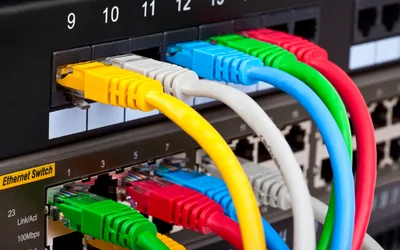
Evolution and Selection of Power over Ethernet (PoE) Standards for Modern Network Infrastructure
The logistics industry today is grappling with multi-layered challenges, prominently among which is sustainability.
Explore how IoT revolutionizes remote infrastructure management, enhancing efficiency and resilience with solutions like Particle's M-Series for future-ready connectivity.
In a world where connectivity is king, the choice of SIM form factor plays a crucial role in the success of any deployment from consumer electronics to IoT applications. As a versatile platform Monogoto supports an array of SIM types, tailored to meet specific operational needs and strategic goals.

The micromobility industry is at an exciting crossroads. As cities worldwide strive for smarter, cleaner, and more efficient modes of transportation, the importance of reliable connectivity in the micromobility sector is paramount.
2 minutes read
In our digitally connected world, seamless integration and communication between devices are not just conveniences but necessities to ensure the success of businesses, whether just starting out or firmly established.
3 minutes read
The advent of cellular IoT connectivity revolutionized the way businesses were able to track assets and fleets around the world, and the exponential growth of connected devices continues at a rapid pace. The GSMA reports that between 2020 and 2022, the number of LTE-M networks increased nearly 30%.
3 minutes read
The Raspberry Pi is an excellent example of a versatile and cost-effective single-board computer. Originally designed for simple teaching purposes, it soon became apparent that these machines offered a much broader scope.
While not every delivery is tracked in ‘real time’ at the parcel level yet, that day will come, particularly for high value or perishable cargoes. Logistics companies looking to improve efficiencies and reduce costs are rapidly adopting cellular IoT and WiFi solutions that support real time location
4 minutes read