Featured
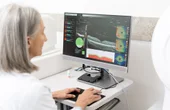
The increasing use of digital screens has heightened the importance of eye health globally. Optical Coherence Tomography (OCT) offers a non-invasive method to monitor eye conditions.
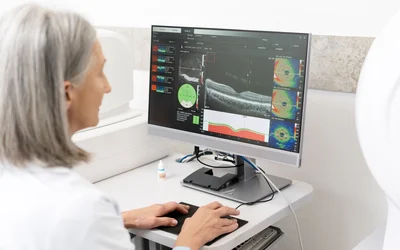
The increasing use of digital screens has heightened the importance of eye health globally. Optical Coherence Tomography (OCT) offers a non-invasive method to monitor eye conditions.
The increasing use of digital screens has heightened the importance of eye health globally. Optical Coherence Tomography (OCT) offers a non-invasive method to monitor eye conditions.
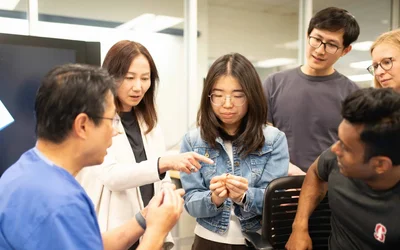
With help from recent gifts, the Stanford Wearable Electronics Initiative eWEAR-X is supercharging its efforts to transform researchers inspiration into reality by augmenting the Ideation and Prototyping Lab and providing seed funding for members of the university community.
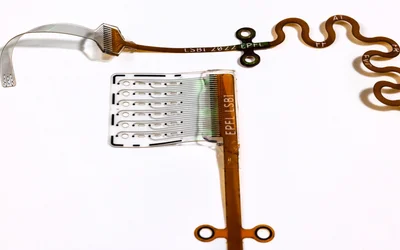
EPFL researchers have developed a flexible auditory brainstem implant ABI that closely conforms to the curved surface of the brainstem.
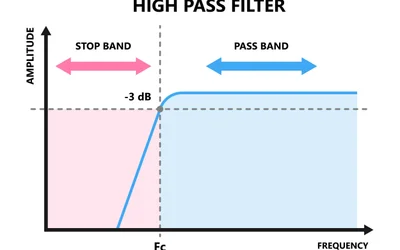
Active high-pass filters remove unwanted low-frequency signals while preserving useful higher frequencies. This article covers first- and second-order filter design, Sallen-Key and multiple-feedback topologies, and practical applications in audio electronics, instrumentation, and signal processing.
16 minutes read.
15 minutes read.
19 minutes read.
12 minutes read.
14 minutes read.


Entertainment
The Next Byte Podcast is hosted by two young engineers - Daniel and Farbod - who select the most interesting tech/engineering cont...
165 Posts

High Tech
High Tech Campus Eindhoven is Europe's smartest square km and has the ultim...
49 Posts

University for science and technology
Freedom and individual responsibility, entrepreneurial spirit and open-min...
43 Posts

University
At the Harvard John A. Paulson School of Engineering and Applied Sciences (...
42 Posts
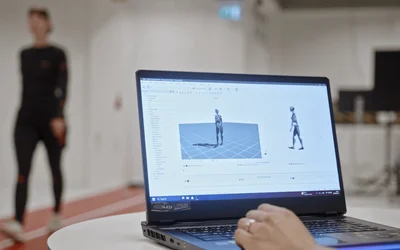
with Xsens motion capture
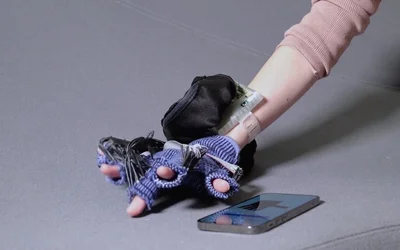
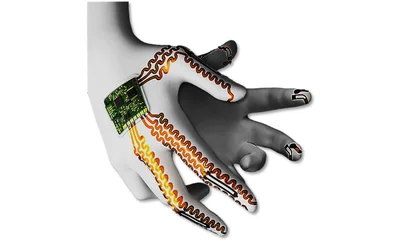
A new glove with more than three dozen actuators across all five fingers and the palm, developed by Cornell researchers, aims to reduce swelling for people suffering from edema.
AI-powered artificial muscles made from pliable materials are reshaping recovery, from stroke rehabilitation to prosthetic design. These machines help people regain motion, strength, and confidence.
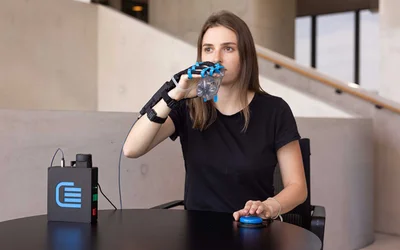
Researchers at ETH Zurich have developed an innovative hand exoskeleton that helps persons after stroke re-learn how to grasp. Its accordion-like structure makes it light, robust and easy to integrate into everyday life.
AI-powered artificial muscles made from pliable materials are reshaping recovery, from stroke rehabilitation to prosthetic design. These machines help people regain motion, strength, and confidence.
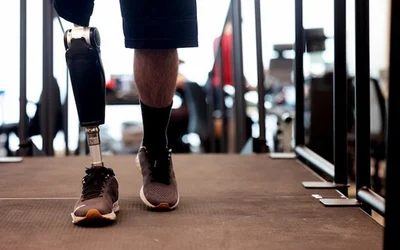
Paired with custom control software, Össur's powered knee prosthesis helped study participants sit, stand and walk more easily.
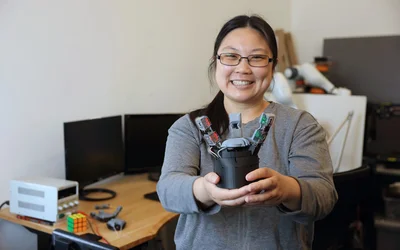
MIT CSAIL researchers enhance robotic precision with sophisticated tactile sensors in the palm and agile fingers, setting the stage for improvements in human-robot interaction and prosthetic technology.
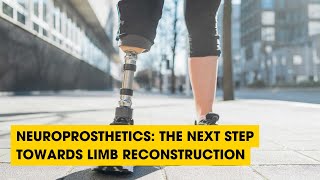
In this episode, we discuss a breakthrough from ETH Zurich to mimic natural foot signals to the brain using state of the art neuroprosthetics.
The increasing use of digital screens has heightened the importance of eye health globally. Optical Coherence Tomography (OCT) offers a non-invasive method to monitor eye conditions.
With help from recent gifts, the Stanford Wearable Electronics Initiative eWEAR-X is supercharging its efforts to transform researchers inspiration into reality by augmenting the Ideation and Prototyping Lab and providing seed funding for members of the university community.

4 minutes read
EPFL researchers have developed a flexible auditory brainstem implant ABI that closely conforms to the curved surface of the brainstem.
Biocompatibility is vital to medical device safety. It ensures implants and other devices can be used in and on the body with minimal adverse reactions. Medical devices must be highly biocompatible, as they often contact the body's internal tissues and fluids.
In this episode, we explore how organ-on-a-chip technology is advancing our understanding of cancer behavior.

10 minutes read
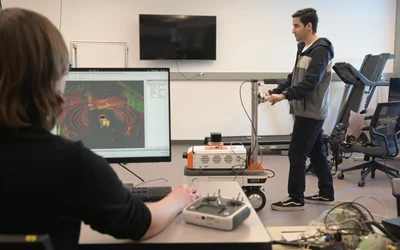
Could a robotic platform like the Ranger Mini be put to use helping someone with mobility issues?

6 minutes read
Ambiq’s ultra-low-power edge AI technology is pushing health monitoring by enabling always-on, intelligent wearable devices that track vital signs in real time without relying on cloud connectivity.
New apps for cancer patients, cannabis users, others make use of algorithms that continually customize support

3 minutes read
Healthcare is facing a critical workforce shortage, with AI emerging as a key tool to support clinicians by improving diagnostics, treatment planning, and efficiency without replacing human expertise.
Stanford bioengineer Mark Skylar-Scott on his “science fiction” quest to 3D print human hearts and other organs on demand, using cells from a patient’s own body.
2 minutes read
Scaling up nanoparticle production could help scientists test new cancer treatments.
Claire Najjuuko, Chenyang Lu, Fred Ssewamala use AI to target interventions to improve compliance

4 minutes read
Explore how FUTEK's precision sensors are driving innovations in surgical robotics.
In the modern era of sport, results are often decided by ultra-fine margins like milliseconds or millimeters. Yet even precise metrics such as speed and distance are still quite rudimentary in nature.

4 minutes read
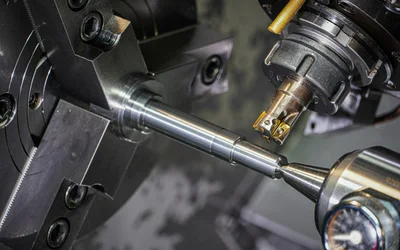
Let’s explore how CNC machining accelerates medical device development by delivering exceptional precision, optimizing production efficiency, and ensuring regulatory compliance.

3 minutes read