This guide offers engineers an in-depth understanding of H Bridge motor control, explaining its basics, topologies, switching strategies, design, optimization, and practical considerations for next-generation engineering projects.

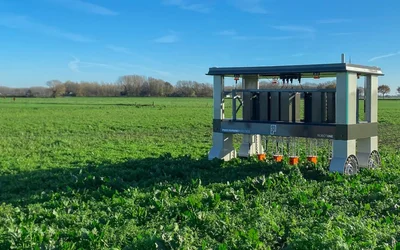
One of the goals of building the Mars Rover is to demonstrate SPARK. As an early step, Fabien introduced a new hardware abstraction layer (HAL) on top of the existing HALs that had been developed for the various pieces of hardware that make up the Mars Rover.
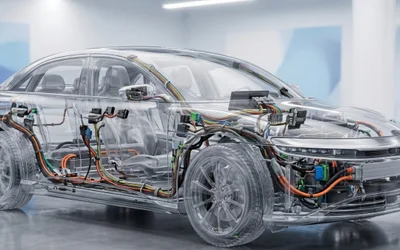
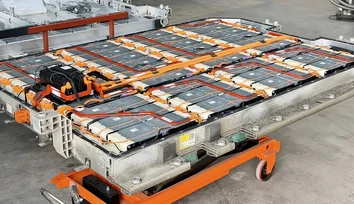
Modular high-voltage PDU architectures enable scalable power
distribution using standardized components. This approach
reduces tooling requirements, supports platform reuse, improves
serviceability, and accelerates integration in EV systems.
This guide offers engineers an in-depth understanding of H Bridge motor control, explaining its basics, topologies, switching strategies, design, optimization, and practical considerations for next-generation engineering projects.
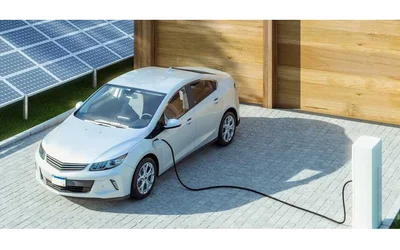
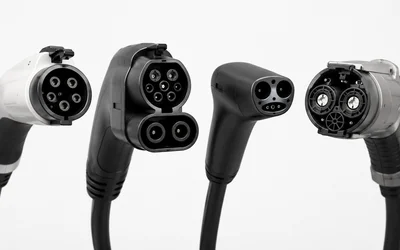
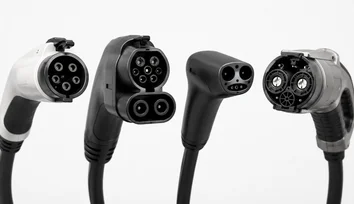
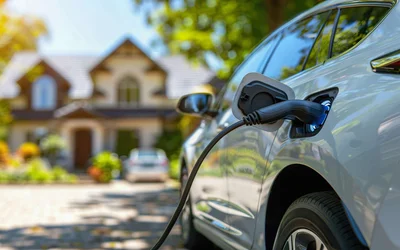
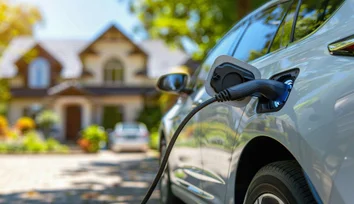
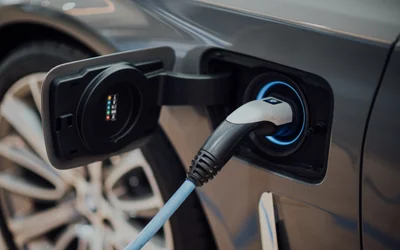
Electric vehicles face significant barriers to their adoption. Harwin delivers connectors to help designers create the next phase of charging infrastructure.
Foggy windshields can compromise safety in seconds. Discover how ScioSense’s WSS2 sensor proactively prevents condensation, enhancing visibility and optimizing HVAC efficiency for a safer, more energy-efficient drive.
In this episode, we talk about MIT’s lobster inspired armor, wireless charging of electric vehicles, and a joint effort between RE2 Robotics and the US Department of Energy Solar Energy Technologies Office to reduce the set up time/cost of solar farms.
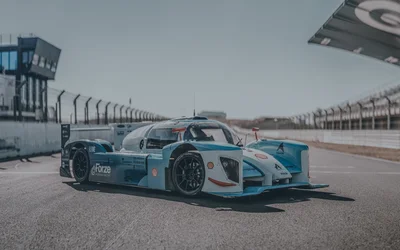
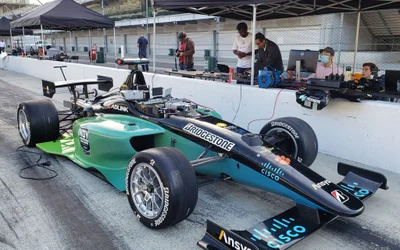
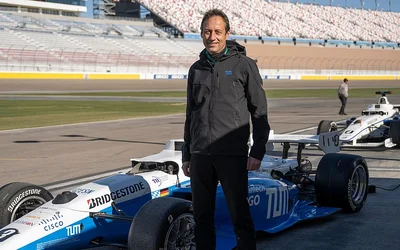
A high-speed autonomous vehicle race at the famous Indianapolis Motor Speedway. University teams program and race a modified Dallara AV-21 racecar to win $1.5 million in prize money.
In this episode, we talk about Charm Industrial’s novel approach for carbon offsetting, a concept fitness drone from Hongik University that could be the first to commercialize, and a joint effort between MIT and US Navy to understand how sound waves are altered by water conditions in the North Pole.
The first car my family had during my childhood was a 1967 Hillman Hunter built by the Hillman Motor Car Company in Coventry, England. In case you are a bit shocked about the year…...where I grew up, we got cars that had already been out for a while. I am old but not THAT old.
In this episode, we talk about how DeepMind’s AlphaFold algorithm solved protein folding, NASA JPL’s partnership with the Department of Homeland Security to better protect firefighters, and a trial for autonomous shuttles in DTU that can change the transportation infrastructure of the whole country
Brian de Bart, Team Lead Automotive System Innovation at NXP explains about chips and AI in automotive industry as part of a series from the founding partners of the AI Innovation Center at High Tech Campus Eindhoven.
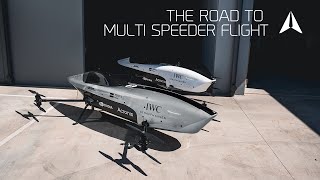
In this episode, we talk about how Neuralink wants to put chips in people’s heads, how Alauda wants to bring about the age of flying electric vehicles with their Airspeeder, and a joint effort to consider the carbon footprint of high performance processors.
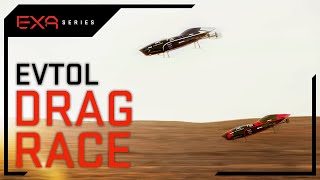
Airspeeder is building the world’s most progressive motorsport. It will see a full-grid of electric flying cars racing closely at high speed above some of the most visually arresting scenery in the world.
Airspeeder desert and sea races will feature slide and lock swappable batteries and teams competing will have the pressure of deciding when to make a pit stop.
Explore what an eVTOL multicopter grand prix could look like across different terrains including desert, ice and snow, and how teams can use pit stops to their advantage during a race.