Featured
AI chips, designed for machine learning tasks, are spurring new chip architectures for efficient deep learning computation.

AI chips, designed for machine learning tasks, are spurring new chip architectures for efficient deep learning computation.
AI chips, designed for machine learning tasks, are spurring new chip architectures for efficient deep learning computation.
Optimizing AI for the Future: Model Efficiency and Scalability
Gesture recognition, leveraging the advanced capabilities of embedded devices and streamlined through specialized platforms is creating new means of human-machine interactions, paving the way for more intuitive and user-friendly device interfaces.
Artificial intelligence (AI) is a wide-ranging tool that enables people to rethink how we integrate information, analyze data, and use the resulting insights to improve decision making
15 minutes read.
20 minutes read.
13 minutes read.
17 minutes read.
25 minutes read.
11 minutes read.


Entertainment
The Next Byte Podcast is hosted by two young engineers - Daniel and Farbod - who select the most interesting tech/engineering cont...
165 Posts

High Tech
High Tech Campus Eindhoven is Europe's smartest square km and has the ultim...
49 Posts

University for science and technology
Freedom and individual responsibility, entrepreneurial spirit and open-min...
43 Posts
From leading experts at the CDFAM Computational Design Symposium
eCozy 2.0 system addresses the limitations of traditional thermostats for water heating radiators, delivering efficiency, convenience and sustainability benefits to households
Protect the cloud by securing the edge with hardware-based security, TPMs, HSMs, and resilient edge computing architectures.
Explore the rise of intelligent EV hardware and how real-time processing, ML acceleration, and hardware virtualization are enabling safer, smarter, software-defined electric vehicles.
EPFL researchers are developing AI models that could one day enable vision prosthetics able to restore meaningful, object-level sight for the blind.
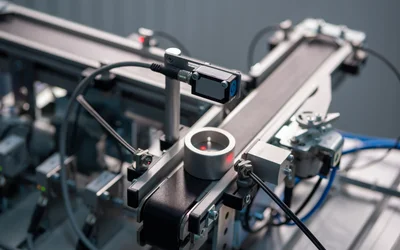
A deep-dive listicle guiding controls, automation, and quality engineers toward the best vision systems for manufacturing applications in 2026.
Understanding industrial vision systems by examining their components, imaging fundamentals, AI integration since 2020, and how to choose the right solution for every application.
The AI-powered tool could inform the design of better sensors and cameras for robots or autonomous vehicles.
AI chips, designed for machine learning tasks, are spurring new chip architectures for efficient deep learning computation.

4 minutes read
Optimizing AI for the Future: Model Efficiency and Scalability
Gesture recognition, leveraging the advanced capabilities of embedded devices and streamlined through specialized platforms is creating new means of human-machine interactions, paving the way for more intuitive and user-friendly device interfaces.
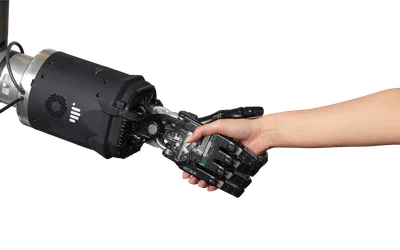
In this third part of the series, we will take a deeper look at the development of the Shadow Hand and Glove, the technology behind the glove, and the potential impact of this system on the field of robotics.
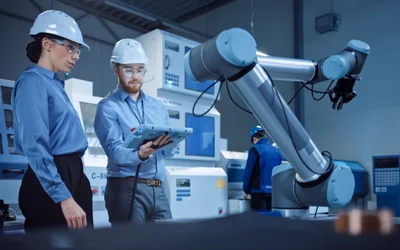
The integration of AI, IoT, and robotics allows robots to access and exchange data with other devices, enabling them to make informed decisions.
Leveraging Power Analysis for Energy-Efficient AI Accelerator
5 minutes read
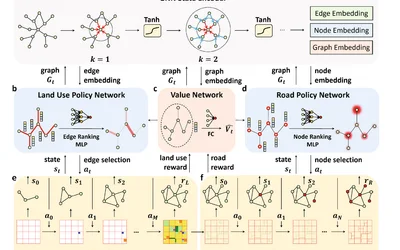
Researchers have harnessed the power of Artificial Intelligence (AI) to optimize community layouts, making cities more efficient, accessible, and sustainable
Model efficiency research is enhancing power efficiency and boosting AI performance.
How on-device and cloud AI will foster the advancement and scalability of next-generation generative AI experiences
The purpose of decarbonization for the manufacturing industry since 2021 onward has changed from social contribution to achieving profits by observing conditions in transactions with customers and enhancing cost competitiveness.

6 minutes read
Conversational AI enables machines to respond in a human-like manner. These intelligent systems are designed to understand intent and context, remember user preferences, and engage in meaningful conversations.
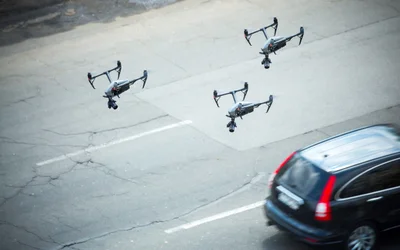
BVLOS, swarm, and military-grade encryption will enable wider and more diverse applications of drones, while cutting-edge software platforms enable operators to improve fleet coordination with more data control
Qualcomm's Pioneering Approach to Hybrid AI: Merging Cloud Processing with On-Device Efficiency and Scale
Breaking Free from LiDAR and GPS Constraints: Harnessing Vision for Reliable Positioning, Indoors and Outdoors

5 minutes read
On 16 May, the world came to High Tech Campus Eindhoven to celebrate women in tech, their male allies and to get a preview of what the future holds.

6 minutes read