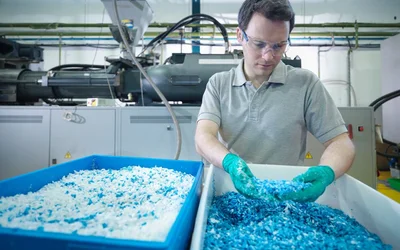


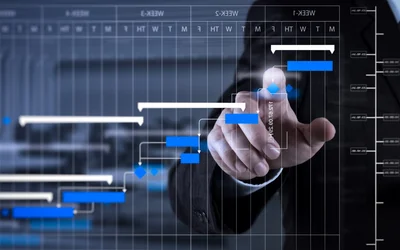
Mitigating electronics manufacturing delays starts with understanding where manufacturing processes can go wrong. We’ve highlighted the four key reasons here, giving you a starting point if you struggle with on-time deliveries.

5 minutes read
Tagged with


3D Scanning & 3D Inspection
SHINING 3D is the global 3d digitiziting technology solution provider, empo...
10 Posts
Mitigating electronics manufacturing delays starts with understanding where manufacturing processes can go wrong. We’ve highlighted the four key reasons here, giving you a starting point if you struggle with on-time deliveries.
5 minutes read
Article #2 Altair Startup Series. The URWAHN Bikes success story and how the company has benefited from Advanced Computer Integrated Technology.
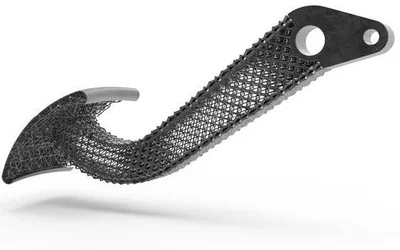
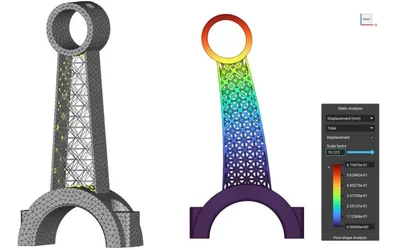
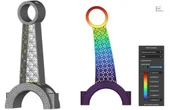
Lattice structures are becoming increasingly common in product design. But what are they exactly, and how can you take advantage of them to develop the next generation of high-performing 3D printed products? This article guides you through the basics of lattice structures to get you started.

6 minutes read
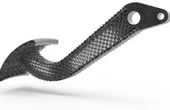
Aftermarket: 3D scanning as a preliminary step in the production of prototypes and samples of accessories for custom bikes

3 minutes read
A closed-loop system for engineering quality plastics provides dividends to products, economy and people.
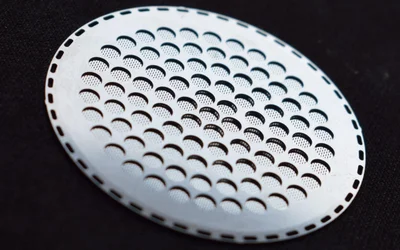
Applications for electroforming are enabling innovation in everything from satellites to water filtration.
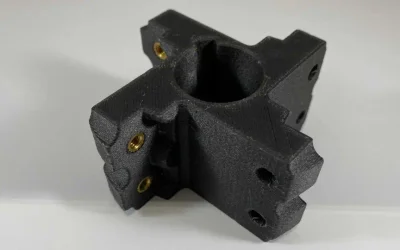
One way to enhance the capabilities of your plastic printed parts are heat set inserts. Read on to find out what they are and how they work.

6 minutes read
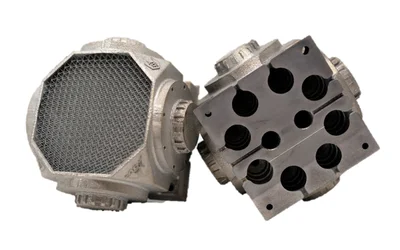
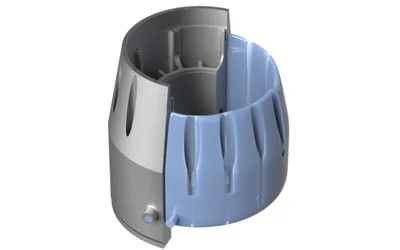
Aerojet Rocketdyne engineers optimized a key component of their Reaction Control System (RCS) quad thruster using additive manufacturing. Not only is the new space engine part 67% lighter, but it also contributes to the reduction of the overall production cost of the thruster by 66%
5 minutes read
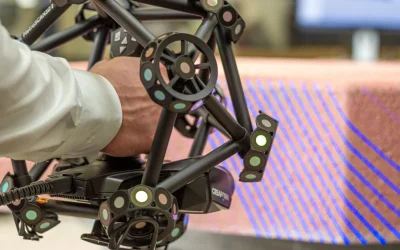
Quality control, virtual assembly, engineering, CNC programming: The MetraSCAN 3D scanner supports many processes in the production of large foundry patterns made of wood, plastic block materials, and foam
4 minutes read
Manufacturers of pumps and assemblies are usually faced with the challenge of accurately measuring complex components with internal contours, such as flow channels inside impellers or pump housings with their complex geometries.
This article shares lightweighting application examples from the automotive, aerospace, heavy machinery, medical, and sporting goods industries for your inspiration.
10 minutes read
Lightweighting isn’t a new concept in engineering, but its relevance and importance are evolving. Find out why lightweighting matters today and how you can maximize its potential benefits by applying the latest developments in engineering design technology.
6 minutes read
Lightweighting means more than just reducing mass. Through smart design techniques, you can maximize product functionality and minimize costs. Here are seven design tips for efficient structural design.
6 minutes read
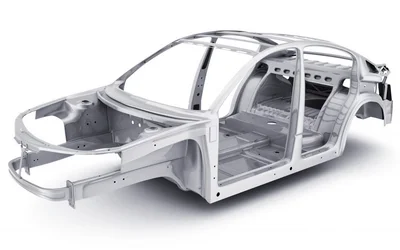
When it comes to designing cars, saving weight is a top priority. But there is more to it than just swapping steel for aluminum, or tearing out the back seats.
8 minutes read
3D Scanning in Creative Design & Personalization

5 minutes read