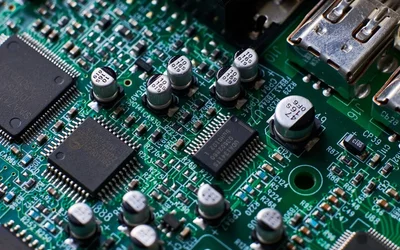
Unveiling the Duel of Digital Design - A Comprehensive Exploration of History, Syntax, and Applications of the two popular hardware description languages
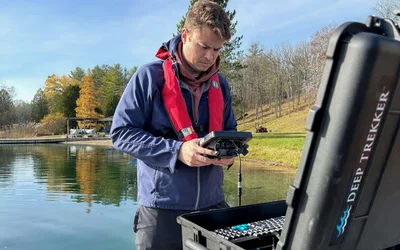
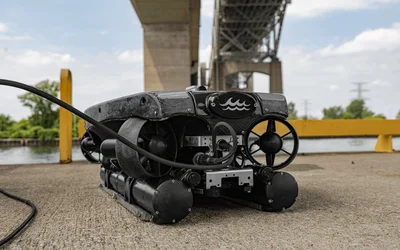
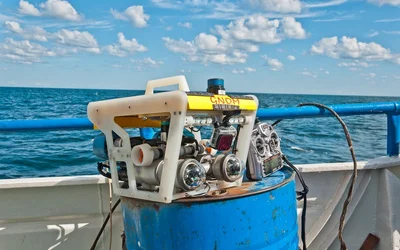
Discover how Deep Trekker rigorously tests and evaluates IMU technologies, comparing MEMS and FOG systems to ensure precise underwater navigation for ROVs.
Discover the vital role of underwater positioning in marine science, and how remotely operated vehicles (ROVs) are leading the way in location tracking.
In this episode, we discuss how CalTech researchers have created bionic jellyfish to help us explore the oceans and better understand the impacts of climate change.
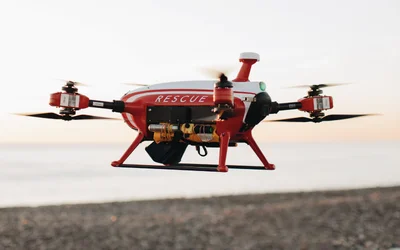
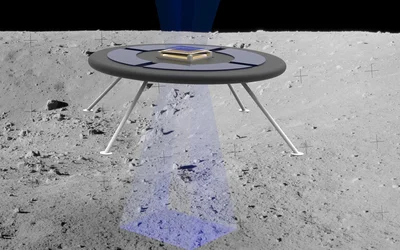
In this episode, we talk about MIT’s new ion propelled hovering rover destined to change the way we explore our universe and an emergency drone coming from TUM hoping to reduce the fatalities caused by cardiac arrest episodes.
Vision is the cornerstone of every border surveillance platform. Pushing the boundaries of what we can see—from high ground and binoculars to electro-optics and infrared sensors—is the determining factor of a system’s efficacy.
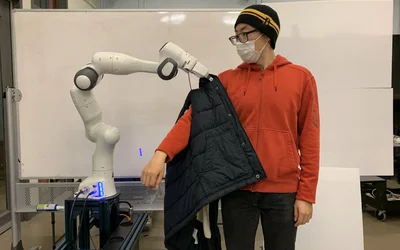
In this episode, we talk about how TUM researchers are trying to model the effects of climate change on forest fires using a neural network, why robots assisting with getting dressed is more challenging than it seems, how drones are being used to evacuate elderly in nursing homes during emergencies.
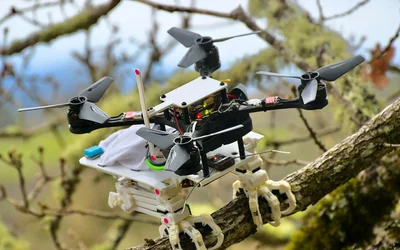
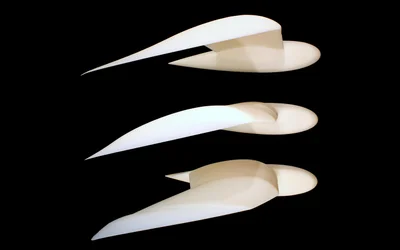
In this episode, we talk about UMich’s new aircraft wings that mimic birds, MIT research that aims to deploy digital twins at scale, and how NASA is repurposing an old weather satellite to monitor microplastic pollution.
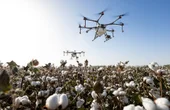
Engineers at EPFL have developed a predictive control model that allows swarms of drones to fly in cluttered environments quickly and safely. It works by enabling individual drones to predict their own behavior and that of their neighbors in the swarm.
In this episode, we talk about Charm Industrial’s novel approach for carbon offsetting, a concept fitness drone from Hongik University that could be the first to commercialize, and a joint effort between MIT and US Navy to understand how sound waves are altered by water conditions in the North Pole.
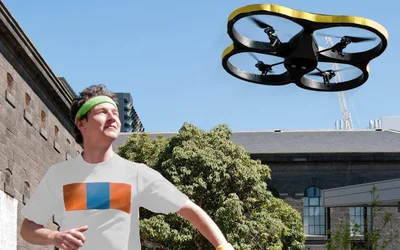
In this episode, we talk about Ford and HP’s partnership to enable a more sustainable manufacturing process, NASA’s Ingenuity drone, and a joint effort to prevent fall-related deaths by creating snake inspired no slip shoes.
Aerospace and government defense program users have unique needs when it comes to FPGA (field-programmable gate array) devices, both in terms of security and in terms of long-term deployments. Increasing use of unmanned systems and other autonomous assets has created new security challenges.