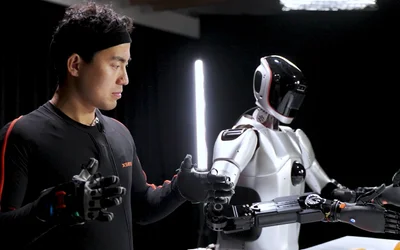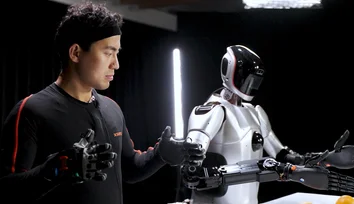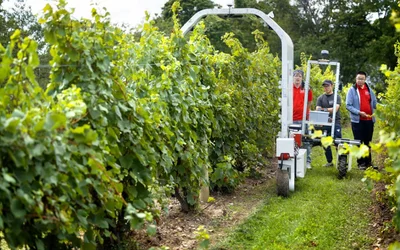
The moonshot of many roboticists is cooking up the proper hardware and software combination so that a machine can learn “generalist” policies (the rules and strategies that guide robot behavior) that work everywhere, under all conditions.

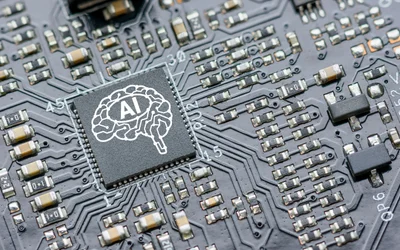
This article explores TPU vs GPU differences in architecture, performance, energy efficiency, cost, and practical implementation, helping engineers and designers choose the right accelerator for AI workloads today!
Training AI models is costly, forcing a trade-off between compressing large models or accepting weaker performance from smaller ones trained from scratch.
A team that included Chongzie Zhang from McKelvey Engineering developed a method that allows robots to teach other robots with different features to perform the same task.
The moonshot of many roboticists is cooking up the proper hardware and software combination so that a machine can learn “generalist” policies (the rules and strategies that guide robot behavior) that work everywhere, under all conditions.
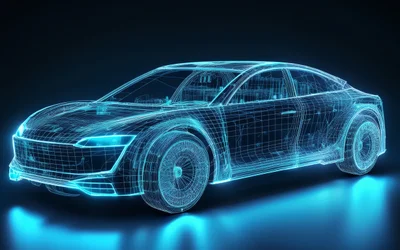
Even if you’re not very familiar with deep learning, you’ve probably heard about it and how it can, among
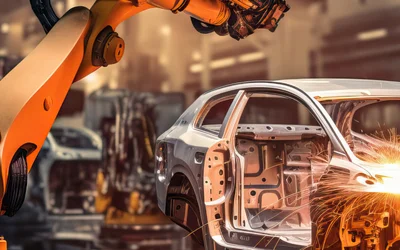
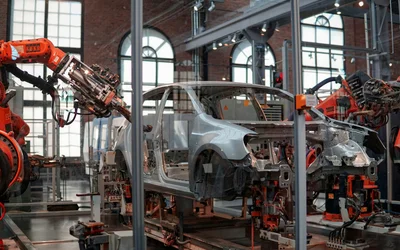
other things, help automate the driving experience, increase manufacturing efficiency and change the consumer
shopping experience.
CUDA Cores and Tensor Cores are specialized units within NVIDIA GPUs; the former are designed for a wide range of general GPU tasks, while the latter are specifically optimized to accelerate AI and deep learning through efficient matrix operations.
Neural network controllers provide complex robots with stability guarantees, paving the way for the safer deployment of autonomous vehicles and industrial machines.
Researchers at EPFL have made a breakthrough in understanding how neural network-based generative models perform against traditional data sampling techniques in complex systems, unveiling both challenges and opportunities for AI's future in data generation.
In this episode, we discuss how 2 Carnegie Mellon University graduate students developed an AI system capable of giving you feedback on your interview performance in real time!
The method, which combines a ChatGPT-like large language model with information about a protein’s 3D shape, could make it easier and faster to develop better medicines for infectious diseases, cancer, and other conditions.
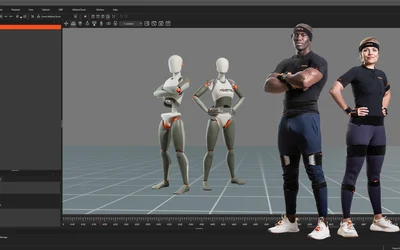
Improved occupational health and safety can enhance productivity by 46% and boost employee well-being. To address these opportunities, Xsens is launching a crash course on topics like injury risk reduction, regulation compliance, and the positive influence of safer workspaces.
The upcoming "Machine Learning for Safety Experts" training by SAE and Fraunhofer IKS in Munich on October 22-23, 2024 is a timely initiative. It will address this crucial skill gap and ensure engineers are well-equipped to handle the intricacies of safe Machine Learning applications.
Someday, you may want your home robot to carry a load of dirty clothes downstairs and deposit them in the washing machine in the far-left corner of the basement. The robot will need to combine your instructions with its visual observations to determine the steps it should take to complete this task.