
Unveiling the Duel of Digital Design - A Comprehensive Exploration of History, Syntax, and Applications of the two popular hardware description languages
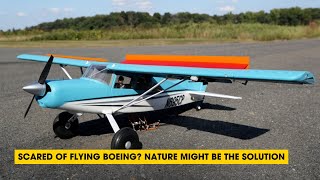
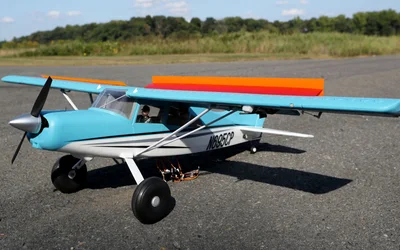
In this episode, we explore how the mechanics of bird wings are inspiring new approaches to prevent airplanes from stalling and learn how bio-mimetic designs from nature are paving the way for innovations in aviation, enhancing stability and safety for future flights.
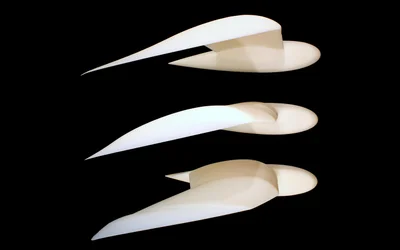
Taking inspiration from bird feathers, Princeton engineers have found that adding rows of flaps to a remote-controlled aircraft’s wings improves flight performance and helps prevent stalling, a condition that can jeopardize a plane’s ability to stay aloft.
In this episode, we talk about UMich’s new aircraft wings that mimic birds, MIT research that aims to deploy digital twins at scale, and how NASA is repurposing an old weather satellite to monitor microplastic pollution.
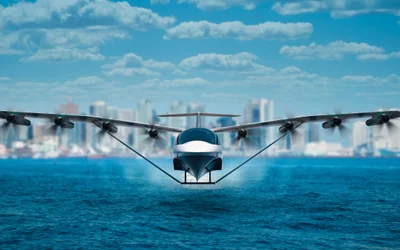
In this episode, we talk about a company that is upcycling chewed and unwanted gum to create polymer based products, a software solution to reduce embodied carbon in construction projects, and a Boston based startup that is planning to change the way consumers think about coastal transportation.
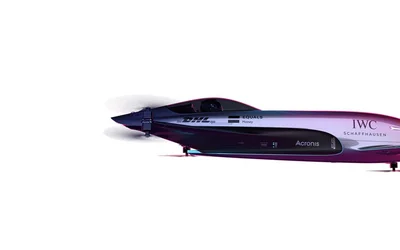
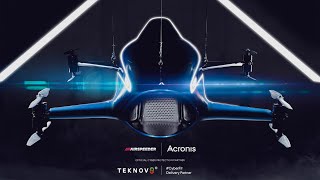
Data is key to building any sport. At Airspeeder, leading cyber protection brand Acronis and their delivery partner Teknov8 help to keep all of the data protected.
Engineers at EPFL have developed a predictive control model that allows swarms of drones to fly in cluttered environments quickly and safely. It works by enabling individual drones to predict their own behavior and that of their neighbors in the swarm.
In this episode, we talk about Charm Industrial’s novel approach for carbon offsetting, a concept fitness drone from Hongik University that could be the first to commercialize, and a joint effort between MIT and US Navy to understand how sound waves are altered by water conditions in the North Pole.
In this episode, we talk about Ford and HP’s partnership to enable a more sustainable manufacturing process, NASA’s Ingenuity drone, and a joint effort to prevent fall-related deaths by creating snake inspired no slip shoes.
For many years, the aerospace industry has been plagued by manufacturing challenges— limited capacity, complex geometries, strength requirements, and temperature resistance requirements, just to name a few.
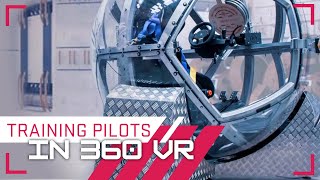
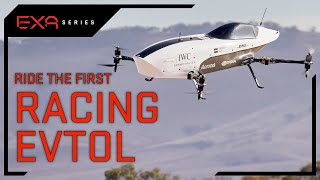
In this episode, we talk about how Neuralink wants to put chips in people’s heads, how Alauda wants to bring about the age of flying electric vehicles with their Airspeeder, and a joint effort to consider the carbon footprint of high performance processors.
Airspeeder is building the world’s most progressive motorsport. It will see a full-grid of electric flying cars racing closely at high speed above some of the most visually arresting scenery in the world.
Airspeeder desert and sea races will feature slide and lock swappable batteries and teams competing will have the pressure of deciding when to make a pit stop.