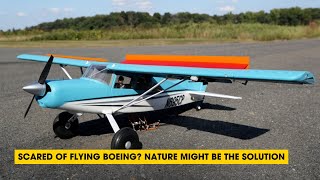
In this episode, we explore how the mechanics of bird wings are inspiring new approaches to prevent airplanes from stalling and learn how bio-mimetic designs from nature are paving the way for innovations in aviation, enhancing stability and safety for future flights.
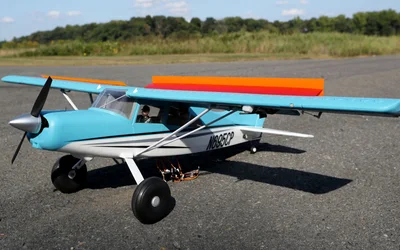
Taking inspiration from bird feathers, Princeton engineers have found that adding rows of flaps to a remote-controlled aircraft’s wings improves flight performance and helps prevent stalling, a condition that can jeopardize a plane’s ability to stay aloft.
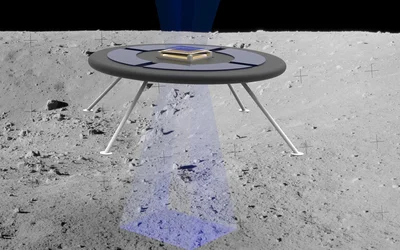
Humanity's drive to explore has taken us across the solar system, with astronaut boots, various landers and rovers' wheels exploring the surfaces of several different planetary bodies.
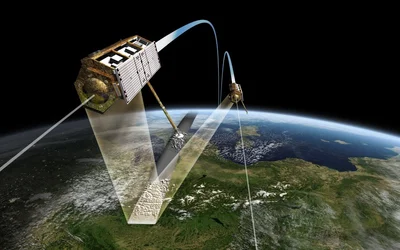
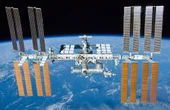
In space, maintenance isn't possible, so satellites must operate reliably for their entire mission. This makes fault detection, isolation, and recovery (FDIR) a critical requirement in satellite design.
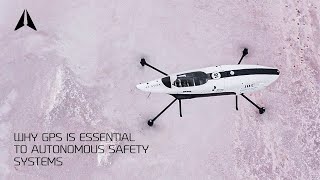
In this update, we dive into the life of the Alauda Aeronautics engineering and design team during the month of October. The mission: get two Alauda Mk3 Speeders flying simultaneously.
In this episode, we talk about how ambitious, non-rocket propelled payload launching technologies can revolutionize the space industry in the not-so-distant future.
Startram is a concept mass driver that can launch payloads into space without rocket propulsion, instead relying on magnetic levitation (maglev) technology.
SpinLaunch is a California based startup that wants to revolutionize the space industry with a novel, sustainable, and cost-efficient method of delivering payloads to low earth orbit.
Have you ever wanted to explore outer-space? Now you can, without leaving Earth, thanks to powerful, open-source beta software VIRUP that builds – in real-time – a virtual universe based on the most detailed contemporary astrophysical and cosmological data.
In this episode, we talk about the research effort aiming to understand how concrete cures in space and how the James Webb telescope will provide insight regarding the origins of our universe.
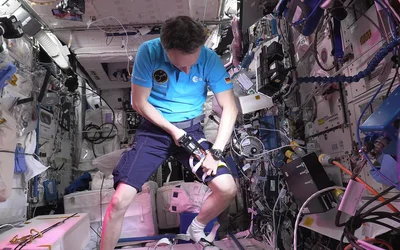
In this episode, we talk about the smart t-shirt that’ll track astronauts' vitals while they hang out in microgravity and a research effort that aims to study the physiology of freedivers to assist cardiac surgery patients
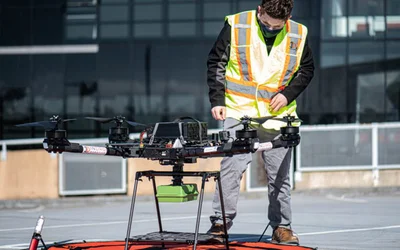
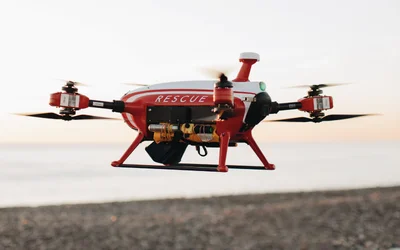
In this episode, we talk about how TUM researchers are trying to model the effects of climate change on forest fires using a neural network, why robots assisting with getting dressed is more challenging than it seems, how drones are being used to evacuate elderly in nursing homes during emergencies.
NASA researchers successfully launched a sophisticated X-ray solar imager on a brief but potentially illuminating suborbital flight via sounding rocket to gather new insight regarding how and why the Sun’s corona grows so much hotter than the actual surface of Earth’s parent star.
In this episode, we talk about how MIT engineers have proven a way to detect the presence of origin for cancer cells in pee using nanoparticles, the robotic neck brace developed by Columbia University researchers, and a novel method to reduce the noise generated by airplanes during landing.