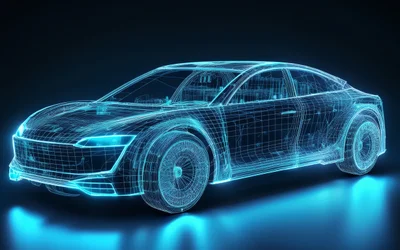
Artificial intelligence (AI) is a wide-ranging tool that enables people to rethink how we integrate information, analyze data, and use the resulting insights to improve decision making
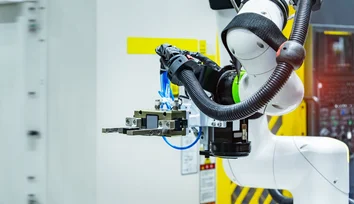
In large-scale warehousing and distribution operations, conveyor belts are an essential infrastructure that must operate with near-zero downtime to ensure the timely delivery of products. The presence of loose or foreign items on a conveyor belt can pose a serious risk to these operations.
To reduce waste, the Refashion program helps users create outlines for adaptable clothing, such as pants that can be reconfigured into a dress. Each component of these pieces can be replaced, rearranged, or restyled.
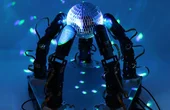
Smart eyewear promises to transform how we see and interact with the world. Among its many potential advantages, the technology offers hands-free access to information, vision enhancement, and accessibility tools.
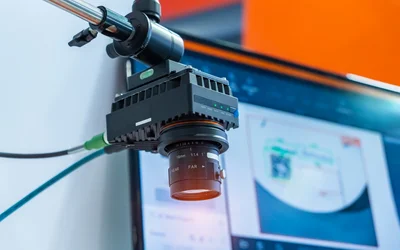
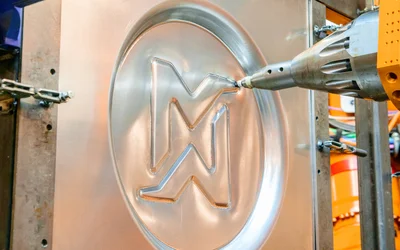
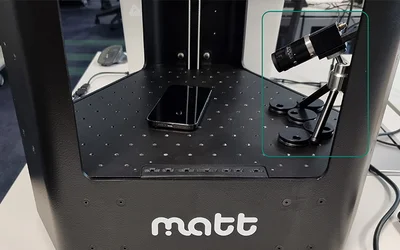
Matroid builds no-code computer-vision detectors that can spot everything from microscopic material defects to real-time safety hazards on a factory floor.
In large-scale warehousing and distribution operations, conveyor belts are an essential infrastructure that must operate with near-zero downtime to ensure the timely delivery of products. The presence of loose or foreign items on a conveyor belt can pose a serious risk to these operations.
In this post, we'll walk through how to evaluate that progress using the same metrics our platform provides automatically, so you can build detectors that get smarter, sharper, and more reliable over time.
The no-code platform from Matroid trains ordinary cameras to act like expert inspectors, turning simple footage into a pixel-level defect checklist. Even a handheld GoPro can spot issues human eyes miss—using remarkably small datasets.
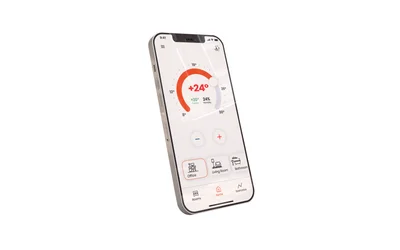
For now, at least, machines need humans as much as humans need machines. At this intersection, machine learning (ML) offers intriguing possibilities for managing the billions of end devices that comprise the IoT. ML is a practical, mathematical field.
UTEP 2022 ends with 12 submissions in the final month. The recent articles covered different areas of technology like smart farming, AI, 3D printing, wind energy, structural engineering, biotechnology, and more. As we eagerly wait for the results, here is an article summarizing the new submissions.
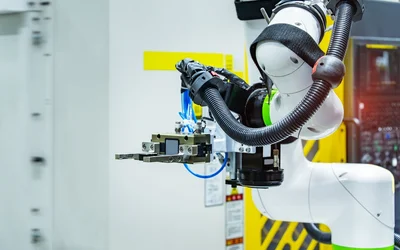
In a highly competitive environment, retailers are leveraging cutting-edge technologies to boost efficiency and run their businesses more effectively. AI-powered robots are transforming the retail sector by optimizing pricing strategies, inventory management, and more.
Before the pandemic, research suggested that adoption of AI (artificial intelligence) and ML (machine learning) in business was increasing at a rate of about 25% per year.
The student article explains an artificial intelligence-based system to detect human body patterns and movements for multiple targets in real-time to recognize their behaviors and classify them as either normal or abnormal.
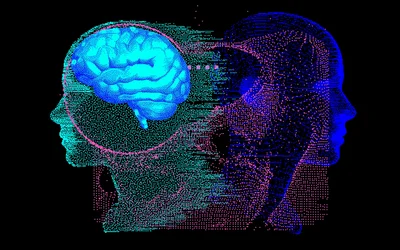
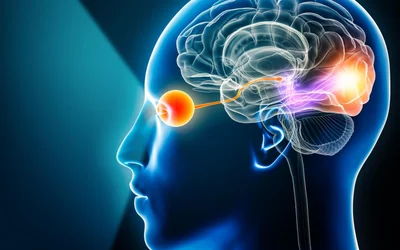
New research from Carnegie Mellon University’s Bin He introduces a novel, AI-based dynamic brain imaging technology alternative which could map out rapidly changing electrical activity in the brain with high speed, high resolution, and low cost.
In this episode, we talk about how researchers are developing tools to better understand how different microbial communities impact our health in an effort to reverse engineer them and the critical methodology used to 3D print functional heart ventricles.
This student article proposes rapid protocols for clinical diagnosis of COVID-19 through the automatic analysis of hematological parameters using Evolutionary Computing and Machine Learning. These hematological parameters are obtained from blood tests common in clinical practice.
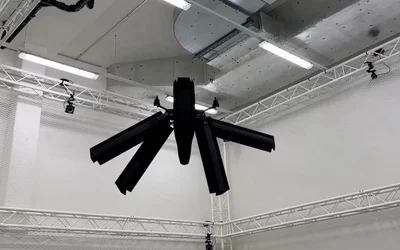

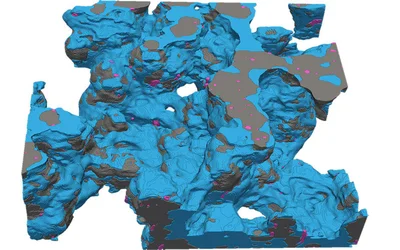
The current advancement in multi-material additive manufacturing technologies has provided unique opportunities to create 3D printed structures with not only complex geometries at several length scales, but arbitrary deposition of multiple materials (i.e., soft or hard) in 3D space.
The inner child in many of us feels an overwhelming sense of joy when stumbling across a pile of the fluorescent, rubbery mixture of water, salt, and flour that put goo on the map: play dough. (Even if this happens rarely in adulthood.)