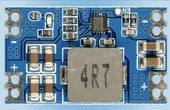
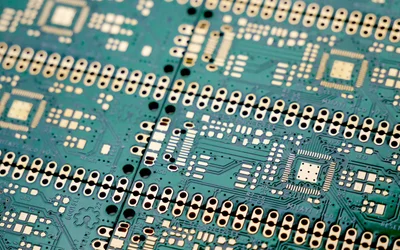
Vias go through two or more layers of PCBs to form an electrical connection. Making them right under the component’s pad saves space, reduces track inductance and simplifies design.
Be the first to know.
Get our pcb weekly email digest.
Tagged with
PCB
ORGANIZATIONS. SHAPING THE INDUSTRY.


HQ NextPCB
Appliances, Electrical, and Electronics Manufacturing
HQ NextPCB specializes in reliable multilayer PCB manufacture and assembly ...
1 Post

AllSpice
Software Development
Hardware collaboration platform 🤖 Inspired by software development princip...

Latest Posts
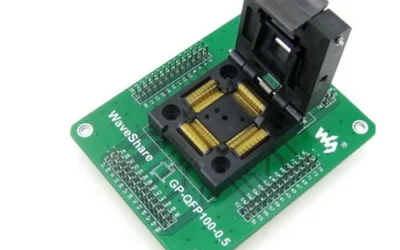
The right programming method will be determined by the volume of your assembly run and the form factor of your device.

3 minutes read
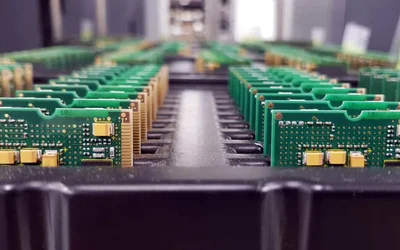
Printed Circuit Boards (PCBs) provide the foundation for the assembly of electronic components and enable the functionality of a wide range of devices. This article journeys through the requisite steps in the PCB manufacturing process, detailing the procedures involved in each.
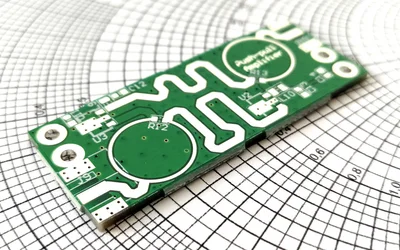
It's difficult to protect every signal from noise intrusions, but this must be done to design an effective PCB assembly.
3 minutes read
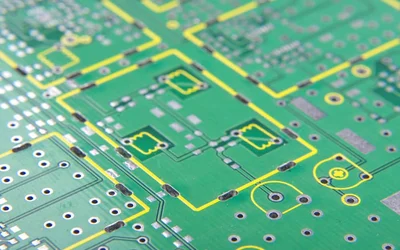
The silkscreen is a layer on the surface of a PCB that is used to identify a lot of information about the electronic printed circuit board.

PCBA design capabilities are crucial to the future of wearable technology. Wearables and PCBA design are inextricably linked since both have a significant influence on each other. As wearable devices become more popular, electronics designers and manufacturers are designing smaller, denser, and more flexible devices.
10 minutes read

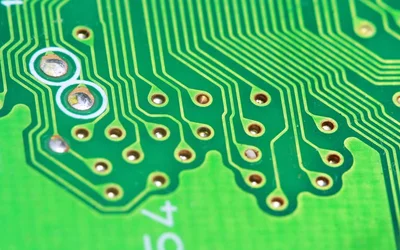
Vias are small holes in a PCB that enable electrical connections between different layers of the board. In the context of PCB design, via tenting refers to the process of covering the vias with a protective layer, typically a solder mask or dry film. This protective layer shields the vias from environmental factors, such as dust, moisture, and chemicals, which can lead to corrosion or short circuits. As PCB technology continues to advance, the importance of via tenting in maintaining the performance and reliability of complex, high-density interconnect (HDI) and flexible PCB designs cannot be overstated. This guide explores the art and science of via tenting, shedding light on its significance, techniques, and applications in modern PCB design and manufacturing.
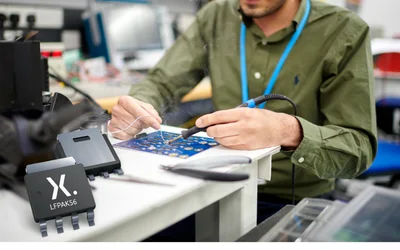
More than 20 years ago, a team set out to solve a problem: How do we reduce power loss and help reduce MOSFET size at the same time? LFPAK was the answer - and it changed everything.

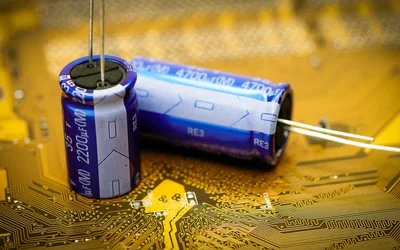
Capacitors store electrical energy, similar to batteries, and are used in many electronic devices. Due to their voltage-storing nature, handling them can be dangerous. This article outlines various techniques and safety measures to safely discharge capacitors.
What to know about the benefits of domestic prototyping
4 minutes read
Find out what this complex piece of legislation means for electronics manufacturing.
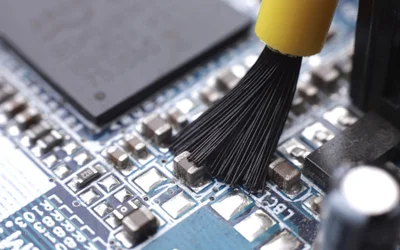
Learn the best methods and industry standards for cleaning circuit boards, removing contaminants like dust, flux residues, and corrosion to ensure optimal performance and longevity!
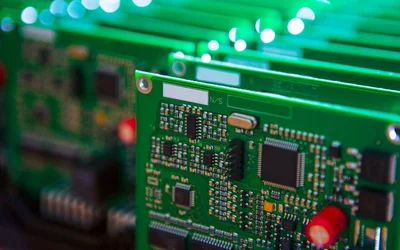
PCBs are extensively used across industries, powering devices from simple gadgets to complex systems. In this article, we’ll understand the importance of PCB thickness, the various factors affecting it, and its impact on design and other factors.
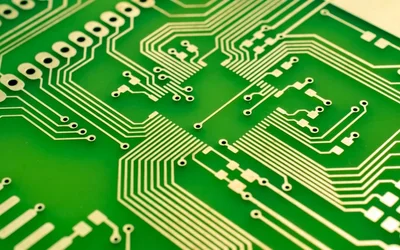
PCB traces are fundamental components in circuit design, serving as the pathways for electrical signals. This article examines the advancements, applications, and challenges of PCB trace technology. Discover insights into optimizing designs and overcoming common obstacles in PCB trace implementation.
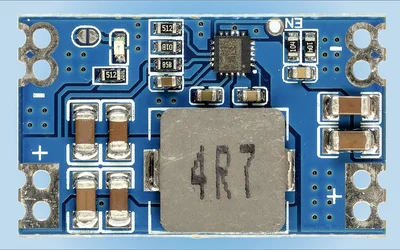
With some foresight, most CAD design layout packages can accommodate castellated edge designs.
3 minutes read