

The survey has now closed. Thank you to everyone who participated. Keep an eye out on your inbox for the full results.
Be the first to know.
Get our manufacturing systems weekly email digest.
Tagged with
manufacturing systems
ORGANIZATIONS. SHAPING THE INDUSTRY.


READY Robotics
Robotics & Automation
READY Robotics is a robotics software company that vastly simplifies robot ...
24 Posts

polySpectra
Additive Manufacturing
We help innovative engineers 3D print end-use components they can trust usi...
12 Posts
Latest Posts
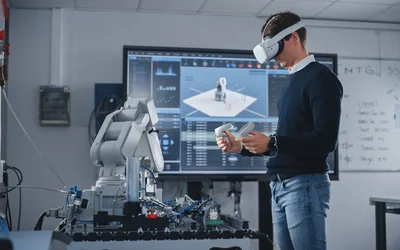
ATCx AI for Engineers 2025, Altair's global virtual event, which focuses on the practical impact of AI in engineering. Bringing together industry experts, engineers, and technologists, the event showcases how AI is being applied across various domains, disciplines, and the world.

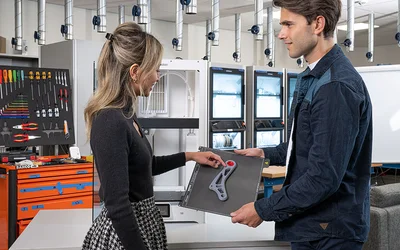
3D printing and CNC machining represent two distinct approaches to creating three-dimensional objects. While both technologies can produce complex parts, their methodologies and capabilities differ significantly.

7 minutes read


This article delves into overmolding with TPEs, focusing on how the technique enhances product functionality through improved grip, durability, and aesthetics while consolidating parts and reducing costs.

10 minutes read


The core principle behind 3D manufacturing involves using computer-aided design (CAD) software to create a digital model, which is then sliced into thousands of thin horizontal layers.
25 minutes read


Some materials, like metals, tend to expand when heated, while others, like water, show a more complex behavior, with expansion occurring at specific temperatures. th Learn about other thermal coating properties, like thermal conductivity and glass transition temperature.


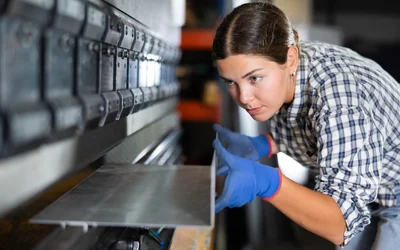
Here we look at the basics of bending sheet metal, including bending radius, K-factor, and bend allowance calculations, helping you design manufacturable sheet metal parts.

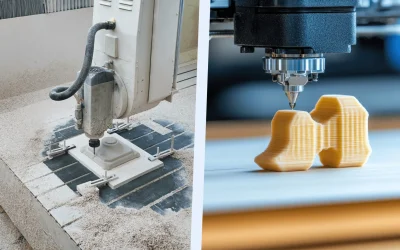
When it comes to creating plastic parts, choosing between CNC machining and 3D printing can feel like a tough call. This article breaks down the key differences between these two powerhouse technologies.
7 minutes read


Accelerate production, reduce downtime, and gain a competitive edge by integrating on-demand digital manufacturing into your operations.

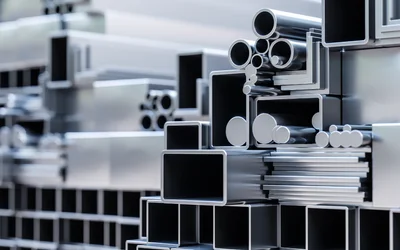
Explore how advanced computer vision technology transforms quality control in metal manufacturing and why it represents the industry's future.

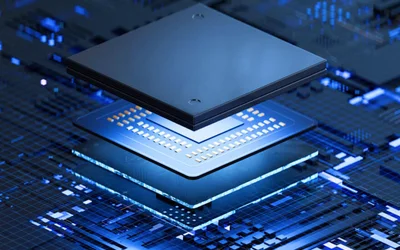
Manufacturing semiconductors is made simpler and more cost-effective with the use of cutting-edge microdispensing technologies that can print on a range of substrates.


This in-depth technical guide explains what is galvanic corrosion, covering the electrochemical mechanisms, influencing factors, consequences in electronics, and mitigation strategies in electronics, hardware, and industrial systems.

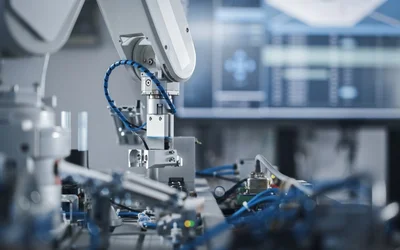
Revolutionizing the Factory Floor


This article reviews threaded inserts for plastics, covering press-fit, heat-set, helical, and molded-in inserts. It highlights their applications, benefits, and suitable materials production technologies as well as explains how to order parts with threaded inserts.
13 minutes read

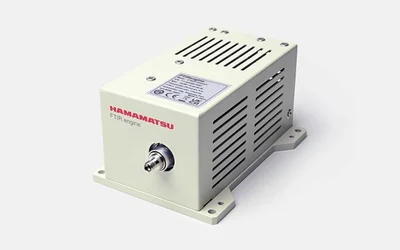
Hamamatsu Photonics introduces the FTIR Engine C16511-01, a state-of-the-art near-infrared spectrometer designed for rapid and accurate data acquisition in demanding industrial environments.